
Landscaping
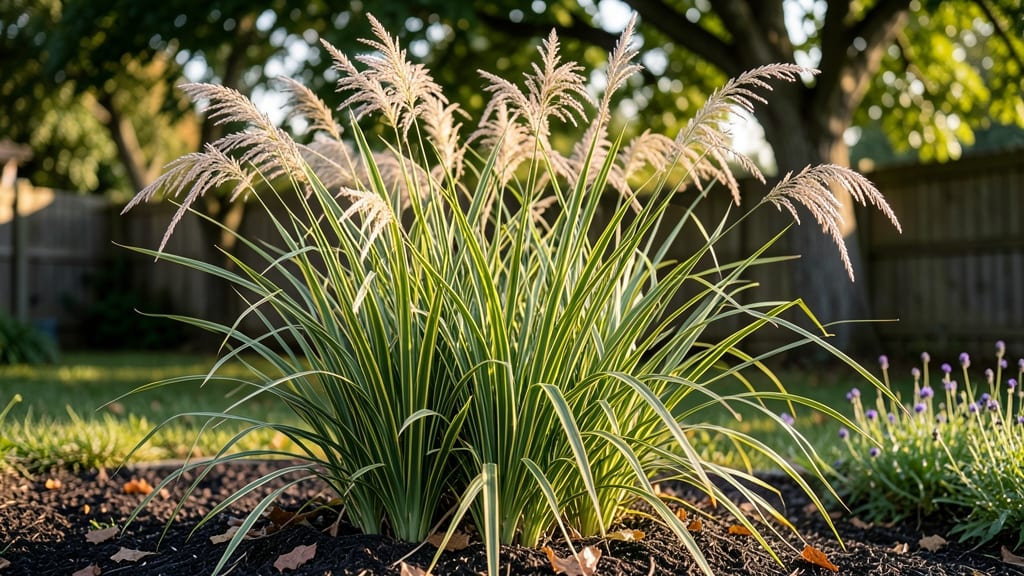
Ornamental grasses transform Illinois gardens into textured masterpieces that dance in the wind and stay stunning through all four seasons. 🌿 I learned the hard way that these plants aren’t just pretty—they’re the backbone of low-maintenance, climate-resilient landscapes.
My front yard used to feel flat until I swapped a few dull shrubs for native grasses like little bluestem and switchgrass, which now add movement and color even in winter. The best part? They thrive in Illinois’ hot summers and cold winters without fuss.
Plant them in clusters for dramatic impact, line pathways for soft borders, or use taller varieties like miscanthus as windbreaks. Pair them with coneflowers or black-eyed Susans for year-round interest—grasses provide structure while perennials add bursts of color.
By late summer, you’ll see grasses turning fiery red or gold, creating a wow factor that lasts through frost. They also attract pollinators and reduce mowing time. For best results, group plants with similar water needs and prune in early spring before new growth appears.
These grasses work in every Illinois garden—from city patios to rural acreage. Start small with a single variety, then expand as you fall in love with their effortless beauty.
📚 In This Guide
- What you need
- Instructions
- Tips and common mistakes
- Wrapping up and next steps
What you need
- ● Ornamental grasses: Choose Illinois-hardy varieties like Miscanthus sinensis, Panicum virgatum, or Carex species (3–5 plants per section for visual impact).
- ● High-quality soil: 5–10 bags of native Illinois topsoil or compost-amended mix (aim for 1–2 cubic yards for a small garden).
- ● Organic mulch: 2–3 bags of pine straw or shredded hardwood mulch (3–4 inches deep).
- ● Slow-release fertilizer: 1 bag of 10-10-10 or 5-10-10 (follow package rates for application).
- ● Watering can or hose with soaker nozzle: For gentle, deep watering (1–2 gallons per plant initially).
- ● Garden shovel: For digging holes (12–18 inches deep, 2x the root ball width).
- ○ Garden fork or tiller: To loosen compacted soil (optional but helpful for clay-heavy Illinois soil).
- ● Gloves & knee pads: For comfort during planting.
- ● Pruners or hedge shears: For trimming dead foliage (late winter/early spring).
- ● Measuring tape: To space plants 18–36 inches apart (depending on mature size).
- ● Sunlight assessment: Most ornamental grasses thrive in full sun (6+ hours/day) but tolerate partial shade.
- ● Drainage check: Avoid low-lying areas where water pools (grasses hate soggy roots!).
- ● Native plant bonus: Pair grasses with Illinois wildflowers (like coneflowers) for pollinator-friendly landscapes! 🐝
- ● Winter prep: Cut back dead foliage in late winter (before new growth emerges).
How to select and plant ornamental grasses for Illinois climates
Here’s how I choose and establish ornamental grasses that thrive year-round in Illinois’ hot summers and cold winters.
🌱 Step 1: Choose Grasses That Thrive in Illinois Conditions
Pick grasses suited for Illinois’ USDA Hardiness Zones 4-6 and full sun to partial shade. My top picks for texture and movement include Miscanthus (hardy to -20°F), Panicum (drought-tolerant), and Carex (shade-friendly). Avoid tropical varieties—they won’t survive our winters.
Check plant tags for mature height and spread to ensure they fit your space. For example, Little Bluestem stays under 3 feet tall, while Maiden Grass can reach 6 feet. I always sketch a rough layout first to avoid overcrowding.
🪴 Step 2: Prepare the Planting Site for Drainage and Sun
Ornamental grasses hate soggy roots, so amend heavy clay soil with 2-3 inches of compost to improve drainage. Work it into the top 12 inches of soil. If your site is shady, focus on Carex or Hakonechloa—they tolerate low light better than sun-lovers.
Test your site’s moisture by digging a hole and filling it with water. If it drains in 30 minutes, it’s ready. If water pools, raise beds or plant on a slope. I like to add a 1-inch layer of coarse sand to the bottom of the hole to further improve drainage.
☀️ Step 3: Plant at the Right Depth and Spacing
Dig holes twice as wide as the root ball but only as deep as the container’s bottom. Grasses planted too deep suffocate, while shallow planting exposes roots to temperature swings. Gently remove the plant, loosen its roots, and place it in the hole so the top of the root ball sits level with the ground.
Space clumping grasses like Carex 18-24 inches apart, while spreading types like Feather Reed Grass need 3-4 feet of room to prevent overcrowding. Backfill with native soil, tamp lightly, and water deeply to settle the roots.
💧 Step 4: Water and Mulch for First-Year Establishment
Water newly planted grasses 1-2 times per week for the first 30 days, keeping soil evenly moist but not soggy. After that, reduce to once a week unless we have a prolonged dry spell. Overwatering in winter can rot crowns, so I skip winter watering entirely.
Apply 2-3 inches of mulch around the base, keeping it 6 inches away from the crown to prevent rot. I use shredded hardwood mulch because it breaks down slowly and improves soil over time. Avoid piling mulch against stems—it traps moisture and invites pests.
✂️ Step 5: Prune and Maintain for Year-Round Appeal
Cut back dead foliage in late winter or early spring before new growth appears. For most grasses, this means trimming to 4-6 inches above the ground. Exceptions like Maiden Grass can be left standing for winter interest. Avoid pruning in fall—it removes insulation for tender crowns.
Fertilize lightly in early spring with a balanced 10-10-10 formula at half the recommended rate. I skip fertilizer in the second year unless the grass looks weak. Divide clumping grasses every 3-4 years in spring to maintain vigor—dig up the plant, separate the clumps, and replant immediately.
Tips & tricks for perfect ornamental Grass plantings in Illinois
These hard-earned lessons will help you avoid the most common mistakes when establishing ornamental grasses in our challenging climate.
Selection Tip: When choosing grasses for Illinois, prioritize those with proven cold hardiness like Miscanthus or Little Bluestem—they'll survive our winters without fuss. I always check the plant tag for the exact hardiness zone rating (aim for Zone 4 or higher) before buying. The 30-minute drainage test in Step 2 is your best friend for avoiding soggy soil issues that can kill grasses quickly.
Planting Depth Secret: That 12-inch soil amendment in Step 2 isn't just about drainage—it's also about creating a root-friendly zone. I like to mix in 1 cup of perlite per cubic foot of soil to further improve aeration. And remember: the top of the root ball should sit level with the ground, never buried or exposed—this is critical for winter survival.
Watering Wisdom: Those 1-2 times per week waterings in the first 30 days are non-negotiable, but timing matters too. Water in the morning so foliage dries quickly, preventing fungal issues. After the initial period, let the soil dry slightly between waterings—grasses are surprisingly drought-tolerant once established. I've seen Panicum survive weeks without water once its roots are deep.
Pruning Precision: That 4-6 inch cut in Step 5 is perfect for most grasses, but there's a trick: use clean, sharp pruners and make the cut at a slight angle. This prevents water from pooling on the cut surface. For Maiden Grass, I leave the seed heads through winter—they add beautiful texture against snow and provide food for birds.
Pro Tips for Ornamental Grasses Illinois
- These hard-earned lessons will help you avoid the most common mistakes when establishing ornamental grasses in our challenging climate.
- Selection Tip: When choosing grasses for Illinois, prioritize those with proven cold hardiness like Miscanthus or Little Bluestem—they'll survive our winters without fuss.
- Planting Depth Secret: That 12-inch soil amendment in Step 2 isn't just about drainage—it's also about creating a root-friendly zone.
Frequently asked questions
Got questions about adding ornamental grasses to your Illinois landscape?
Here are answers to the most common inquiries—from planting tips to winter care—so you can feel confident in your choices!
What’s the best time to plant ornamental grasses in Illinois?
Spring (after the last frost, around April–May) and early fall (September–October) are ideal. These windows give roots time to establish before extreme heat or cold. For container-grown grasses, you can plant year-round, but avoid winter planting in harsh climates like northern Illinois.
Do ornamental grasses survive Illinois winters, or do I need to cut them back?
Most grasses are hardy to Zone 4–9, thriving in Illinois winters! However, cut back dead foliage in late winter or early spring (before new growth emerges) to tidy up. Exception: Grasses like Miscanthus sinensis or Pennisetum may need minimal trimming, while seed heads (like Panicum) add winter interest—leave them unless they’re unsightly!
How much water do ornamental grasses need in Illinois’ hot summers?
Established grasses are drought-tolerant, but newly planted ones need 1–2 inches of water weekly for the first year. In extreme heat (like Chicago’s July), mulch around the base to retain moisture. Once rooted, most grasses thrive with rainfall alone, though they’ll bounce back quickly if wilting occurs.
Are ornamental grasses prone to pests or diseases in Illinois?
Generally low-maintenance, but watch for grub worms (common in lawn grasses) or leaf spot fungi in humid summers. Prevention tips: Space plants for airflow, avoid overhead watering, and remove debris. If you spot chewed leaves, handpick pests or use neem oil—chemicals are rarely needed!
What are the best low-maintenance ornamental grasses for Illinois gardens?
Top picks for easy-care and year-round appeal:
- Little Bluestem (Schizachyrium scoparium) – Drought-proof, golden fall color, Zone 3–9.
- Feather Reed Grass (Calamagrostis acutiflora ‘Karl Foerster’) – Upright, sturdy, deer-resistant.
- Switchgrass (Panicum virgatum) – Native, wildlife-friendly, tolerates clay soil.
- Maiden Grass (Miscanthus sinensis) – Fountain-like, great for containers.
Pro tip: Pair with sedum or heuchera for a no-fuss Illinois border!
Wrapping up and next steps
Ornamental grasses bring effortless beauty and year-round interest to Illinois landscapes, thriving in the state’s diverse climates while requiring minimal upkeep. Whether you’re drawn to their soothing movement, textural contrast, or wildlife-friendly appeal, these plants are a game-changer for any garden.
Start small—pick one or two varieties to test in your space—and watch your outdoor oasis transform!
Next step: Grab a trowel and plant your first ornamental grass this weekend! 🌱 For inspiration, sketch a simple layout or browse local nurseries for Illinois-native favorites. Happy gardening!