
Lawn
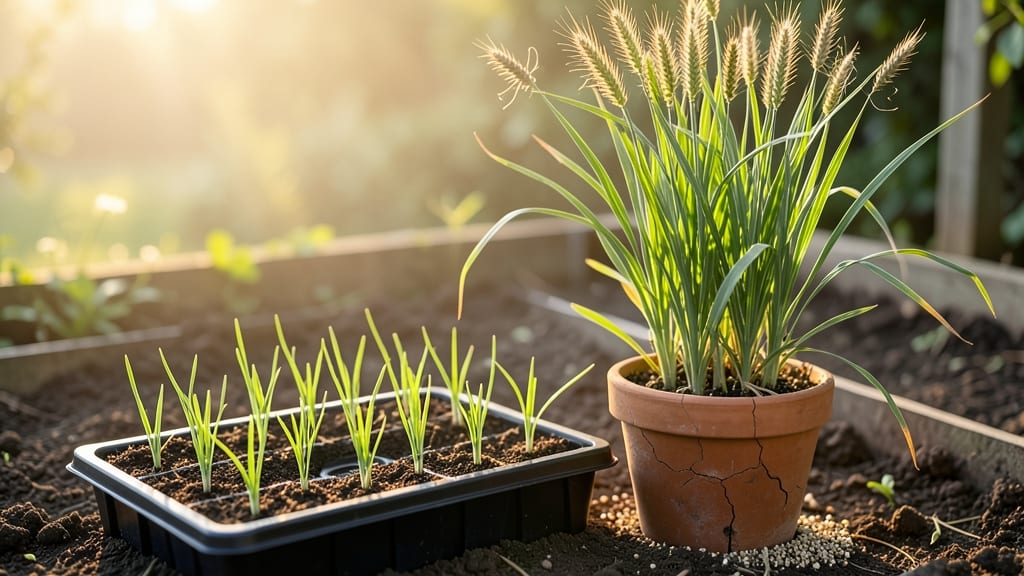
Oat seed grass grows faster than you can imagine—dense cover in just 2-3 weeks. 🌱 I remember my first attempt after a patchy spring lawn: the oats shot up like a green carpet, outpacing even my most aggressive clover mixes.
This isn't just another grass; it's a hardy, fast-growing solution for lawns, forage, or even erosion control. The secret starts with timing and soil. Plant in early spring or fall when temperatures hover between 50-70°F, and prep the ground by loosening soil to 2 inches deep.
Oats thrive in full sun but tolerate partial shade better than most grasses. For best results, mix seeds with a light layer of compost before sowing—this keeps weeds at bay and gives roots a nutrient boost from day one. Once established, oats need consistent moisture but hate soggy soil.
Water deeply 2-3 times per week until germination (about 7-14 days), then taper to 1 inch per week. Skip the fancy fertilizers—oats grow best with a balanced 10-10-10 mix applied lightly at planting and again when they reach 6 inches tall.
Mow when they hit 12 inches for forage or let them mature for seed harvest. Beyond lawns, oats excel as green manure or livestock feed. Harvest seeds when the heads turn golden-brown, or cut for hay at early bloom.
Even if pests like aphids or fungal spots appear, a strong spray of neem oil or a quick raking usually saves the day. This is one of the most versatile, low-maintenance grasses you'll grow.
📚 In This Guide
- What you need
- Instructions
- Tips and common mistakes
- Wrapping up and next steps
What you need
- ● Oat seed grass seed: 10–15 lbs per 1,000 sq. ft. (Choose a high-quality blend like ‘Pennington Smart Seed’ or ‘Scotts Turf Builder’ for fast germination).
- ○ Lawn roller (optional but helpful): A 50–100 lb. roller to ensure even seed distribution and soil contact.
- ● Garden rake: A sturdy, medium-tooth rake (8–12 teeth per square inch) for leveling soil and removing debris.
- ● Broadcast spreader (or hand spreader): For precise seed distribution—rent or buy a drop-type spreader for best results.
- ● Starter fertilizer: A phosphorus-rich blend (e.g., 10-20-10 ratio) to kickstart root growth. Use 1 lb per 100 sq. ft.
- ● Mulch or straw: Lightweight straw (not hay) to protect seeds from birds and retain moisture. Aim for ¼ inch thick.
- ● Water source: A garden hose with a gentle rain nozzle or a sprinkler system for consistent watering.
- ● Soil test kit: Check pH (ideal: 6.0–7.5) and nutrient levels. Adjust with lime or sulfur if needed.
- ● Gloves and knee pads: Protect your hands and knees during prep work—trust us, they’ll thank you!
- ○ Weed barrier cloth (optional): Lay down landscape fabric if your soil has aggressive weeds to prevent regrowth.
- ● Sunlight access: Full sun (6+ hours daily) is a must—oat seed grass thrives in open, bright spaces.
- ● Weather window: Plant when temps are 50–75°F (spring or early fall) for optimal germination.
Step-by-step instructions for growing oat seed grass
Here’s my go-to method for establishing a lush, fast-growing lawn with oat seed grass—perfect for filling bare spots or starting a new yard.
🌱 Step 1: Choose the Right Time and Prepare the Soil
Oat seed grass thrives when sown in early fall, when temperatures hover around 50-65°F. This timing lets the grass establish roots before winter dormancy. Clear debris and loosen the top 2-3 inches of soil with a rake or tiller—you want it crumbly, not compacted. If your soil is heavy clay, mix in 1-2 inches of compost to improve drainage and fertility.
Here’s the thing—oat seed grass germinates best in moist but not soggy soil. Test moisture by squeezing a handful: it should hold together loosely, like a damp sponge. If it crumbles, water lightly until the top inch feels consistently damp. Avoid working wet soil, or you’ll create clumps that prevent even seed contact.
💧 Step 2: Spread Seeds Evenly and Lightly Cover
Use a broadcast spreader for even coverage, aiming for 8-12 pounds of seed per 1,000 square feet. Walk in a crisscross pattern to avoid thick or thin patches. I like to spread half the seed in one direction, then the other half perpendicular—this ensures no bare spots. For small areas, sprinkle seeds by hand, keeping them ¼ inch deep or less.
Gently rake the area with a fine-tooth rake to press seeds into the soil without burying them. You’ll see tiny seeds peeking through the surface—that’s perfect. Covering too deeply slows germination, while leaving them exposed risks drying out. Water lightly afterward to settle everything in place.
☀️ Step 3: Water Consistently for Germination
Keep the soil evenly moist for the first 2-3 weeks—this is critical for fast germination. Water lightly but frequently, aiming for ¼ inch of moisture daily. You’ll know you’re doing it right when the soil surface stays dark and damp, not glistening with excess water. Avoid overhead sprinklers if possible; they can wash seeds away.
Watch for the first green shoots in 7-14 days. Once they reach 2-3 inches tall, you can reduce watering to 1-1.5 inches per week, letting the soil dry slightly between sessions. This prevents disease and encourages deep root growth. If leaves yellow or wilt, you’re either overwatering or underwatering—adjust until they bounce back.
✂️ Step 4: Mow and Maintain for a Dense Lawn
Wait until the grass reaches 3-4 inches tall before the first mow—this ensures strong roots. Set your mower to 3 inches and never remove more than ⅓ of the blade height at once. Frequent, shallow cuts promote bushier growth and prevent weeds. I mow every 5-7 days in the growing season to keep the lawn thick and healthy.
Fertilize lightly in early spring with a balanced 10-10-10 formula, but skip heavy applications—oat seed grass is hardy but prefers lean conditions. If brown patches appear, they’re likely from drought or foot traffic. Water deeply in these spots and avoid mowing until the grass recovers. With consistent care, your lawn will fill in quickly and stay dense all season.
Tips & tricks for perfect oat seed grass growth
Here’s what nobody tells you about getting that flawless, fast-growing lawn—these tricks cut down on common mistakes and speed up results.
Timing is Everything: Early fall is your golden window for planting oat seed grass, but if you miss it, spring works too—just aim for when soil temps hit 50-65°F. I’ve seen people plant in late summer and still get great results, but germination slows if temps creep above 75°F. The key is avoiding extreme heat or cold, which stresses young roots. If you’re unsure, stick to the fall schedule for the fastest, most reliable growth.
Seed Distribution Secret: That 8-12 pounds per 1,000 square feet range might seem wide, but it’s intentional. For a lush, even lawn, I recommend starting at the lower end (8 pounds) unless you’re seeding a large area. Too much seed can lead to overcrowding, while too little leaves bare spots. Pro tip: After spreading, walk over the area in a grid pattern with your feet—this helps press seeds into the soil without needing a rake, and it’s faster than you’d think.
Watering Wisdom: The 2-3 weeks of consistent moisture is non-negotiable, but here’s the trick: Use a rain gauge or tuna can to measure your watering. Fill it with water and pour it over a small area—this ensures you’re hitting that ¼ inch daily target. Overhead sprinklers can wash seeds away, so consider a soaker hose or gentle misting nozzle instead. And if rain is in the forecast, skip watering that day to avoid soggy soil.
Mowing Like a Pro: Waiting until the grass hits 3-4 inches before the first mow is crucial, but don’t just guess—use a ruler or measuring tape to check height. Once you start mowing, keep your blade set to 3 inches and never cut more than ⅓ of the blade height at once. I’ve seen people scalping their lawns, and it’s a fast track to stress and weeds. Mow when the grass is dry for cleaner cuts, and always mow in different directions each time to prevent soil compaction.
Pro Tips for Oat Seed Grass
- Here’s what nobody tells you about getting that flawless, fast-growing lawn—these tricks cut down on common mistakes and speed up results.
- Timing is Everything: Early fall is your golden window for planting oat seed grass, but if you miss it, spring works too—just aim for when soil temps hit 50-65°F.
- Seed Distribution Secret: That 8-12 pounds per 1,000 square feet range might seem wide, but it’s intentional.
Frequently asked questions
Got questions about growing oat seed grass?
Whether you're a beginner or just need a quick refresher, here are some of the most common concerns—plus straightforward answers to help you achieve that lush, fast-growing lawn.
What’s the best time of year to plant oat seed grass?
Oat seed grass thrives in cool seasons, so aim to plant in early fall (September–October) or late winter (February–March) in most U.S. regions. This timing lets roots establish before summer heat. If overseeding, wait until soil temps drop below 65°F (18°C) for optimal germination.
How often should I water newly seeded oat seed grass?
Keep soil consistently moist (not soggy) for the first 2–3 weeks—water lightly daily (about ¼ inch) to encourage germination. Once sprouts appear, reduce to 1–1.5 inches per week, including rainfall. Overwatering can drown seeds, while underwatering stresses young grass.
Can oat seed grass grow in full sun or shade?
Oat seed grass is versatile: it tolerates partial shade (3–6 hours of sun) but performs best in full sun (6+ hours). For shady areas, mix it with fine fescue for a denser lawn. Avoid deep shade (<3 hours of sun)—growth will be sparse.
Why isn’t my oat seed grass germinating? Troubleshooting tips.
Check these common issues:
- Too dry/hot: Water immediately and mulch with straw to retain moisture.
- Poor soil contact: Rake seeds lightly into soil (¼ inch deep) for better rooting.
- Weeds competing: Pre-emergent herbicide before planting can help.
- Old seeds: Oat seeds lose viability after 1–2 years—store in a cool, dry place.
What’s a good alternative if oat seed grass isn’t available?
For fast, cool-season growth, try:
- Annual ryegrass: Germinates in 5–10 days (great for temporary cover).
- Tall fescue: Drought-tolerant but slower to establish.
- Perennial ryegrass: Hybrid vigor, good for sun/shade mixes.
Wrapping up and next steps
Growing oat seed grass is a game-changer for achieving a lush, fast-growing lawn with minimal fuss! Its hardy nature and quick germination make it perfect for new lawns, patch repairs, or overseeding—plus, it’s budget-friendly and eco-conscious.
Whether you’re a seasoned gardener or a beginner, this guide has given you the tools to succeed.
Ready to transform your yard? Start by prepping your soil this weekend—then grab those seeds and watch your dream lawn take shape in just a few weeks! 🌱✨