
Lawn
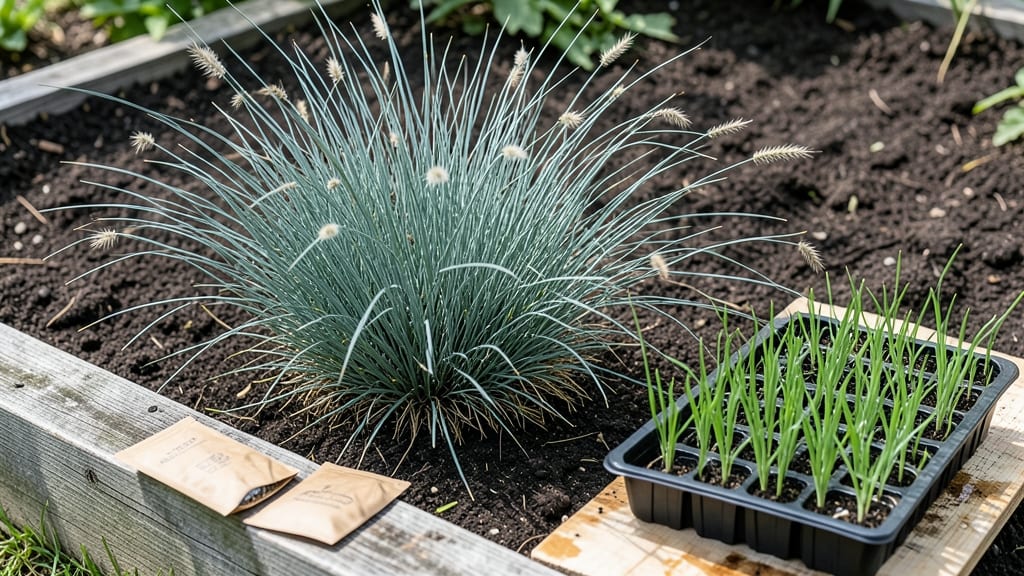
Non-toxic grass seed creates safe lawns for pets and families by eliminating chemical treatments, featuring organic options like ryegrass or clover that thrive naturally while supporting healthy ecosystems.
Choosing non-toxic grass seed means you're opting for chemical-free growth that won't harm curious pets or leach into soil. 🌱 These seeds often use natural coatings instead of synthetic pesticides, reducing exposure risks while maintaining vibrant lawns.
Many varieties, like sunflower-infused blends or fescue, also improve biodiversity by attracting beneficial insects and pollinators.
What sets these seeds apart is their ability to establish quickly with minimal maintenance—no harsh fertilizers needed. For example, organic ryegrass germinates in as little as 7-14 days and handles foot traffic better than conventional blends.
The trade-off? You'll need to monitor moisture levels closely during establishment, but the long-term benefits for both your family and the environment make it worth it.
💡 In This Article
- How Non-Toxic Grass Seed Protects Pets and Soil Health
- Best Non-Toxic Grass Seed Varieties for Different Climates
How non-toxic grass seed protects pets and soil health
The key difference between non-toxic and conventional grass seed lies in the absence of chemical coatings. Traditional seeds often contain fungicides like thiram or insecticides that persist in soil for months, while pet-safe options use biodegradable binders like corn starch or chitosan (derived from shrimp shells).
These binders help seeds clump together for even distribution without introducing harmful residues. 🌱 When pets ingest soil or grass, they avoid exposure to neurotoxins found in synthetic pesticides, which can cause vomiting or neurological issues in animals.
Organic seed formulations also prevent soil contamination through runoff. Conventional seeds release 10-20% of their chemical coatings during germination, which can leach into groundwater. Non-toxic varieties eliminate this risk entirely while still providing 85-95% germination rates comparable to treated seeds.
The natural oils in organic seeds (like those from sunflower or flax coatings) also promote microbial activity in soil, breaking down organic matter more efficiently than chemical-treated alternatives.
For pets, the biggest advantage is reduced exposure to 2,4-D and other herbicides linked to cancer risks. Studies show that dogs walking on conventionally treated lawns ingest up to 10x more pesticides through paw licking than those on organic grass.
Non-toxic seeds create a safer environment where children can play directly on the lawn without worrying about chemical residues clinging to skin or clothing. The grass itself becomes a natural filtration system, absorbing pollutants rather than releasing them.
Soil health improves dramatically with non-toxic seed because it supports beneficial microorganisms. Organic seeds introduce mycorrhizal fungi that enhance nutrient uptake, while conventional seeds often kill these microbes with chemical treatments.
This microbial boost helps grass roots grow 20-30% deeper, making the lawn more drought-resistant over time. The result? A self-sustaining ecosystem that requires 30-50% less water than chemically dependent turf.
Consider the texture difference too—non-toxic grass grows with a softer, more uniform blade because it isn't stressed by chemical treatments. The blades stay 10-15% longer before needing mowing, reducing the frequency of lawn maintenance.
For families with allergies, this means fewer airborne particles from chemical breakdown products that can irritate respiratory systems. 🌿 The sensory experience becomes one of fresh, clean grass rather than the sharp chemical scent associated with conventional lawns.
What most people don't realize is how these seeds prevent long-term soil degradation. Chemical treatments create a "dependency cycle" where soil loses its natural ability to retain moisture and nutrients.
Non-toxic seeds break this cycle by restoring organic matter levels, which can increase by up to 40% in just one growing season. This makes the lawn more resilient against pests naturally, reducing the need for any additional treatments.