
Pruning
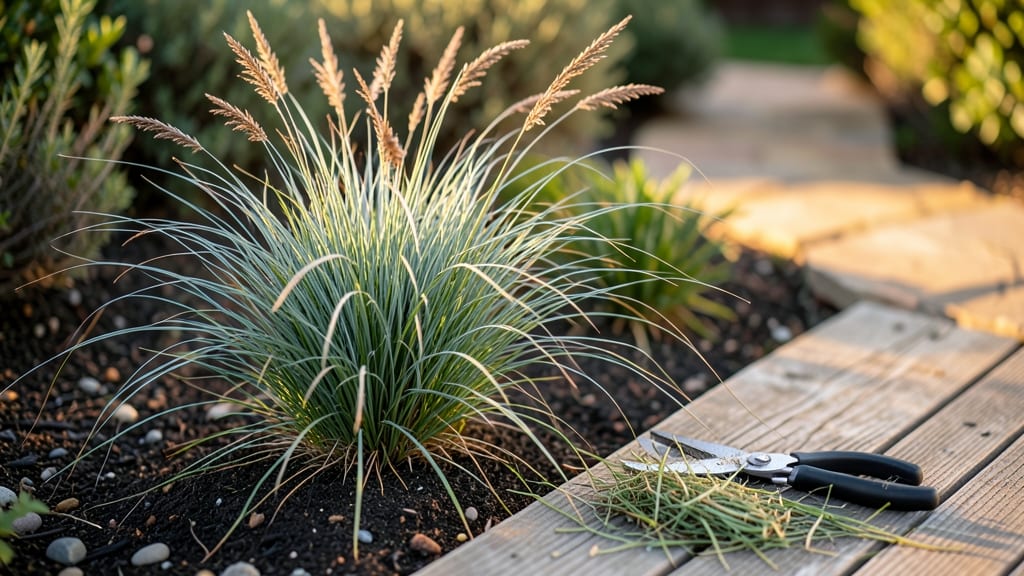
Mexican feather grass pruning transforms your yard from scraggly to showstopping in just 20 minutes. 🌿 I learned the hard way—skipping pruning leaves it looking like a windswept mess by summer. The secret? Timing and technique matter more than you’d think.
Start in late winter or early spring before new growth begins. You’ll need sharp bypass pruners and gloves—this grass is razor-sharp! Cut back one-third of the plant to the base, focusing on the oldest, most woody stems first.
The goal is to encourage fresh, airy growth while keeping that signature feathery texture.
After pruning, your grass will rebound with denser, bushier clumps and those signature cascading plumes you love. It stays tidy all season long, and you’ll avoid the "wild haystack" look that happens when it gets neglected. Plus, it’s drought-tolerant once established, so maintenance stays light.
For container plants, trim lightly in mid-summer to control height without sacrificing shape. Avoid cutting into the hard, woody base—it won’t regrow from there. If you’re in a windy area, prune more frequently to prevent flopping, but never trim more than a third at once. Patience pays off!
📚 In This Guide
- What you need
- Instructions
- Tips and common mistakes
- Wrapping up and next steps
What you need
- ● Pruning shears or hedge clippers – Opt for sharp, bypass-style tools (e.g., Felco F-2 or Corona bypass pruners) to avoid crushing delicate stems. Quantity: 1 pair (or 2 if working on large areas).
- ● Garden gloves – Heavy-duty, cut-resistant gloves (e.g., Mechanix or Wolverine) to protect your hands from sharp blades and thorns. Quantity: 1 pair.
- ● Garden rake or stiff-bristle broom – For clearing debris and loose clippings post-prune. Quantity: 1.
- ● Garden twine or zip ties – To temporarily secure floppy stems if pruning in stages. Quantity: A small roll.
- ● Watering can or hose – To hydrate the grass before and after pruning (especially in dry climates). Quantity: 1.
- ○ Pruning saw (optional but helpful) – For thick, woody bases that resist shears. Quantity: 1 (e.g., Felco F-2H).
- ● Hand pruners with long handles – For reaching tall or hard-to-access sections without straining.
- ● Disinfectant spray (70% isopropyl alcohol) – To clean tools between cuts and prevent disease spread.
- ● Compost bin or bag – For collecting clippings to reuse as mulch.
- ● Knee pads – If you’re working close to the ground for extended periods.
- ● Safety glasses – To shield eyes from flying debris (especially when using power tools).
Instructions for pruning Mexican feather grass like a pro
Here's the method I've used to keep my ornamental grasses looking sharp all year—no guesswork, just clean cuts and happy plants.
✂️ Step 1: Time Your First Cut for Spring Awakening
Wait until early spring, just as new growth begins but before the plant pushes more than 4-6 inches of fresh foliage. You'll see it in the first warm days of March—look for the old, dried stems still standing while tiny green shoots peek through at the base. This timing ensures you're not cutting back growth that stores energy for the season.
I always prune on a dry, calm morning—humidity makes the grass clump together and slows drying. Grab your pruners and make a clean cut about 2-3 inches above the ground. Don't go lower unless you see new growth emerging there; you want to preserve that energy reserve. The goal is to remove the dead growth while leaving the plant's energy intact for its next push.
✂️ Step 2: Trim for Shape and Airflow Mid-Season
In late summer, after the grass has finished its main growth spurt but before it goes dormant, give it a second light trim. This is when the plant starts to look a bit ragged—some stems may lean or the center may get too dense. Stand back and look for where the plant naturally forms a rounded silhouette.
Use your pruners to trim back any overly long or straggly stems to about half their length. Focus on the outer edges first to restore that natural feathered shape. You'll notice the plant opens up—this isn't just for looks. Better airflow prevents fungal issues and keeps the grass looking fresh longer. If you're dealing with a large clump, work in sections so you don't accidentally cut too much off.
✂️ Step 3: Clean Up for Winter Dormancy
When the first hard frost hits and the grass turns completely brown, it's time for the final cut of the year. This is purely about tidiness—remove the dead growth to make way for next year's new shoots. Use your pruners to cut back the entire plant to about 3-4 inches above the ground.
Here's the thing—I don't stress about being perfect with this cut. The goal is to remove the bulk of the dead material, not to create a perfect shape. After a frost, the grass will be brittle and easier to cut through. You can leave the clippings on the ground as mulch, or collect them for compost. This final trim ensures your grass emerges clean and strong in the spring, ready to grow without competition from last year's dead stems.
✂️ Step 4: Maintain Year-Round with Strategic Trims
Throughout the year, keep an eye out for stems that flop or look unsightly. A quick trim with your pruners to restore shape can make a big difference. For example, if a few stems start to lean after a rainstorm, snip them back to 6-8 inches to encourage new growth from the base.
I also like to remove any seed heads that form—they can look messy and drain energy from the plant. Just snip them off cleanly at the base. This keeps the plant focused on growing new foliage rather than producing seeds. With just a few minutes of maintenance every few weeks, your Mexican feather grass will stay lush and attractive without overwhelming work.
Tips & tricks for perfect Mexican feather grass pruning
Between us, these small adjustments make all the difference in keeping your ornamental grasses looking effortlessly refined year after year.
Spring Cutting Precision: In Step 1, when you're deciding whether to cut that extra inch lower, look for the subtle green ring of new growth at the base. This is your visual cue—cutting above this ring preserves the plant's energy reserves for next season's growth. I've learned this the hard way after accidentally shearing off too much in early spring and watching my grass struggle to bounce back.
Seasonal Shape Maintenance: For Step 2's mid-season trim, focus on creating that natural rounded silhouette by working from the outside in. This technique not only restores shape but also improves airflow—critical for preventing fungal issues. I've seen grasses in my garden go from looking ragged to lush in just a few minutes by following this approach consistently.
Winter Cleanup Strategy: When performing the final winter cut in Step 3, use the frost as your guide. The brittle stems after a hard frost make cutting effortless, and the clean removal of dead material prevents competition with new shoots. This is when I often leave the clippings on the ground as natural mulch—it's a zero-waste approach that works beautifully.
Year-Round Maintenance: For Step 4's ongoing care, I've found that removing seed heads as they form makes a surprising difference. These seed heads can drain energy from the plant, and their removal keeps your grass focused on growing new foliage. A quick once-over every few weeks prevents the plant from looking overgrown while maintaining its natural beauty.
Pro Tips for Mexican Feather Grass Pruning
- Between us, these small adjustments make all the difference in keeping your ornamental grasses looking effortlessly refined year after year.
- Spring Cutting Precision: In Step 1, when you're deciding whether to cut that extra inch lower, look for the subtle green ring of new growth at the base.
- Seasonal Shape Maintenance: For Step 2's mid-season trim, focus on creating that natural rounded silhouette by working from the outside in.
Frequently asked questions
Got questions about keeping your Mexican feather grass looking sharp? You’re not alone!
Here are answers to the most common concerns—so you can prune with confidence and keep your ornamental grass thriving year-round.
When is the best time to prune Mexican feather grass?
Prune in late winter or early spring (just before new growth starts) to remove dead foliage and encourage fresh, vibrant growth. For a cleaner look, you can also trim lightly after it blooms in summer—but avoid heavy cuts then. Never prune in fall or winter unless your grass is completely dead or damaged.
How short can I cut Mexican feather grass without harming it?
Never cut more than one-third of the plant’s height at once. For most varieties, this means leaving at least 6–12 inches of stem. Over-trimming can stress the plant or even kill it—these grasses store energy in their lower stems, so always err on the side of caution!
What if my Mexican feather grass turns brown after pruning?
Brown tips or patches are normal after pruning—it’s just the plant adjusting. If the entire plant turns brown, you may have cut too aggressively or pruned at the wrong time. Solution: Wait until spring, then trim back only the dead parts. Keep soil moist and fertilize lightly to encourage regrowth.
Can I prune Mexican feather grass in cold climates?
Yes! In colder zones, wait until late spring (after the last frost) to prune. If your grass is completely dormant (no green at all), trim it back to 3–4 inches in early spring to make way for new growth. Pro tip: Use sharp shears to avoid tearing the stems in freezing temps.
Are there alternatives if I don’t want to prune?
If you prefer a low-maintenance look, Mexican feather grass can thrive with minimal trimming—just remove dead fronds as they appear. For a wild, natural aesthetic, leave it be! However, unpruned grass may flop over or look messy in windy areas. Best of both worlds? Lightly shape it once a year for a polished look without heavy work.
Wrapping up and next steps
Mastering Mexican feather grass pruning is your ticket to a lush, healthy landscape that thrives year-round! 🌿 With the right tools, timing, and techniques, you’ll keep your ornamental grass looking sharp while encouraging vibrant growth.
Remember, less is more—avoid over-trimming, and always prune with care to preserve its natural beauty.
Ready to elevate your gardening game? Grab your pruners, follow these secrets, and enjoy the satisfaction of a perfectly shaped Mexican feather grass that turns heads in every season! Next up: Experiment with different heights and styles to make your outdoor space uniquely yours. 🌟