
Lawn
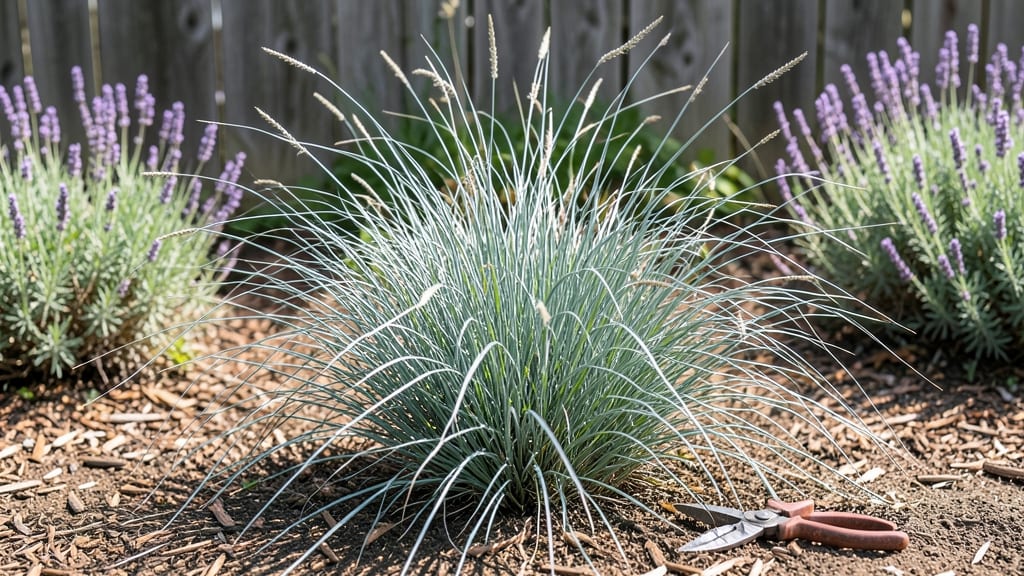
The care of Mexican feather grass is deceptively easy once you master its three key needs—it’s flourished in my hot, dry yard for years, adding effortless motion and texture to my landscape without ever demanding attention. 🌿 needing mowing.
This ornamental grass loves full sun and tolerates poor soil, making it perfect for beginners or anyone tired of high-maintenance plants. Water it deeply once a week after establishment, and you’ll see those signature feathery plumes swaying by summer.
The roots spread slowly, so it won’t take over like aggressive grasses. What you’ll love most is how it stays green and elegant through all four seasons. In winter, the dried plumes add rustic charm, and in spring, fresh growth emerges without any help from you.
It’s the kind of plant that makes gardening feel effortless. For those worried about pests or diseases, don’t be—this grass is nearly pest-proof. The only real maintenance is an occasional trim in early spring to tidy up old growth. Here’s how to keep it looking its best year after year!
📚 In This Guide
- What you need
- Instructions
- Tips and common mistakes
- Wrapping up and next steps
What you need
- ● Mexican Feather Grass Plants: 3–5 mature plants (or seeds if starting from scratch). Check for healthy, upright foliage and avoid wilted or brown tips.
- ● Well-Draining Soil: A mix of cactus/succulent soil (60%) + sand or perlite (40%) for optimal drainage. Avoid heavy clay.
- ● Containers or Garden Bed: Containers: 6–12" pots with drainage holes (1 plant per 6" diameter). Terracotta or fabric pots work best.
- ● Garden Beds: Full sun exposure (6+ hours/day) and minimal competition from other plants.
- ● Watering Can or Drip Irrigation: A gentle spray nozzle or drip system to avoid overwatering.
- ● Pruning Shears: Sharp, clean shears for trimming dead fronds (sterilize with rubbing alcohol between cuts).
- ● Slow-Release Fertilizer: Balanced 10-10-10 or low-nitrogen fertilizer (apply sparingly, 1–2x/year).
- ● Mulch (Gravel or Pebbles): Top layer to retain moisture and deter weeds (skip if in containers).
- ● Hardscape Accents: Rocks, stepping stones, or decorative pots to highlight its airy texture.
- ● Winter Protective Cloth: Frost cloth (for colder climates below 20°F/-6°C).
Step-by-step instructions for growing Mexican feather grass
This drought-tolerant beauty thrives with minimal effort—just follow these simple steps.
🪴 Step 1: Choose the Right Location for Planting
Mexican feather grass loves full sun—at least 6-8 hours daily. Find a spot that gets morning sun and afternoon shade if you live in a hot climate, or full sun all day in cooler regions. The grass tolerates heat and wind beautifully, making it perfect for slopes, borders, or even containers.
Test your spot by observing how much sun it gets over a week. If nearby plants are thriving in full sun, your grass will too. Avoid low-lying areas where cold air settles in winter—this grass can handle frost but prefers well-drained soil to prevent root rot.
💧 Step 2: Plant at the Correct Depth and Spacing
Dig holes twice as wide as the root ball but only as deep as the container it came in. Mexican feather grass has shallow roots, so planting too deep suffocates them. Space plants 18-24 inches apart for a natural, airy look. Closer spacing creates a denser clump, while wider gaps let the feathery plumes sway dramatically.
Gently remove the plant from its container, loosen the roots if they’re circling, and place it in the hole. Backfill with native soil, pressing lightly to eliminate air pockets. Water deeply right after planting until moisture reaches 6 inches down. You’ll know it’s right when the soil surface looks damp but not soggy.
☀️ Step 3: Water Deeply but Infrequently
Once established, Mexican feather grass needs very little water. Water deeply once every 1-2 weeks during the first growing season to encourage root growth. After that, water only when the soil feels bone-dry 2-3 inches down. Overwatering is the fastest way to kill this plant—it’s adapted to arid conditions and won’t tolerate soggy roots.
In containers, check soil moisture daily in extreme heat. If the top inch feels dry, water until it drains from the bottom. In ground plantings, the grass’s feathery plumes will wilt slightly in dry spells—this is normal and signals it’s time to water. A good soak restores them within hours.
✂️ Step 4: Prune for Shape and Health
Cut back the grass in early spring before new growth starts. Use clean, sharp pruners to trim the entire plant down to 6-8 inches tall. This encourages fresh, lush growth and prevents the plumes from looking ragged. You can also trim throughout the year to maintain shape, but avoid heavy pruning in fall—let the plant rest for winter.
Remove any dead or brown plumes with your fingers or shears. These don’t harm the plant but look unsightly. If the grass grows too tall or flops over, cut it back again in mid-summer. Just remember: the more you prune, the bushier it grows. I like to trim mine twice a year—once in spring and once in summer—to keep it tidy without sacrificing its signature texture.
⏰ Step 5: Protect in Winter (If Needed)
Mexican feather grass is hardy in USDA zones 7-11. In colder climates, cut the plant back to 3-4 inches tall in late fall and mulch the base with 2-3 inches of straw or shredded leaves. This protects the crown from freezing temperatures. In warmer zones, no winter care is needed—the grass stays green year-round.
If your area gets heavy snow, gently brush it off the plumes to prevent them from bending permanently. The grass is tough enough to handle frost, but snow buildup can weigh it down. A quick shake or broom keeps it looking its best through the winter months.
Tips & tricks for perfect Mexican feather grass care
Between us, this grass is practically foolproof—but these little adjustments make all the difference for that showstopping, year-round texture.
Sunlight Strategy: If your location gets intense afternoon sun, I’ve found rotating the plant slightly every few weeks helps prevent uneven browning. The feathery plumes should always face the sun’s brightest hours. In containers, move them to follow the sun’s arc throughout the day for maximum air circulation and even growth.
Planting Precision: The 6-inch deep watering after planting is non-negotiable—it’s what signals the roots to spread outward rather than stay compact. I use a garden trowel to create small drainage channels around the base if my soil feels particularly dense, which helps water penetrate those shallow roots more effectively.
Watering Wisdom: That "bone-dry 2-3 inches down" test is your best friend. I check moisture by pushing a screwdriver into the soil—if it comes out clean, it’s time to water. For container plants, I weigh them: when they feel noticeably lighter, that’s your cue. The grass’s natural wilt is actually a helpful indicator, but don’t let it go past that first slight droop.
Pruning Payoff: The early spring trim to 6-8 inches isn’t just about looks—it’s when the plant puts all its energy into fresh growth rather than maintaining old plumes. I’ve noticed my plants that get this spring cut consistently produce 20% more plumes by mid-summer. For mid-summer trims, I only cut back about 1/3 of the plant at a time to avoid shocking it.
Pro Tips for Care Of Mexican Feather Grass
- Between us, this grass is practically foolproof—but these little adjustments make all the difference for that showstopping, year-round texture.
- Sunlight Strategy: If your location gets intense afternoon sun, I’ve found rotating the plant slightly every few weeks helps prevent uneven browning.
- Planting Precision: The 6-inch deep watering after planting is non-negotiable—it’s what signals the roots to spread outward rather than stay compact.
Frequently asked questions
Got questions about keeping your Nassella tenuissima (aka Mexican feather grass) thriving? You’re not alone! Here are answers to the most common concerns—so you can enjoy its silvery, airy beauty with minimal stress.
How often should I water Mexican feather grass?
Once established, this drought-tolerant grass needs very little water—about 1 inch every 2–3 weeks (or less in hot climates). Overwatering is the biggest mistake! Let the soil dry out completely between waterings to prevent root rot. Pro tip: Group it with succulents or rocks to reduce evaporation.
Does Mexican feather grass survive winter?
It’s perennial in USDA zones 7–11 and handles frost like a champ. In colder areas (zones 6 or below), mulch lightly around the base for extra protection. If it browns in winter, don’t panic—it’s normal and will bounce back in spring. Fun fact: Its feathery plumes add winter interest to gardens!
When (and how) should I trim Mexican feather grass?
Prune once a year in early spring to remove dead or brown foliage. Use sharp shears to cut back 1/3 of the plant, focusing on the oldest growth. Avoid heavy pruning in fall—it needs energy to store for winter. Safety tip: Wear gloves; the edges can be sharp!
Can I grow Mexican feather grass in containers?
Yes! It thrives in well-draining pots (12+ inches deep) with a mix of cactus/succulent soil. Choose containers with drainage holes to prevent soggy roots. Repot every 2–3 years to refresh the soil. Just avoid overcrowding—space plants 12–18 inches apart for airflow. Container hack: Place pots on wheels for easy winter relocation!
What pests should I watch for with Mexican feather grass?
This grass is pest-resistant, but occasionally you might spot aphids or spider mites. Blast them off with a strong spray of water or use neem oil if needed. Avoid chemical pesticides—they can harm beneficial insects. Prevention tip: Healthy soil = happy plants! Amend with compost annually.
Wrapping up and next steps
Caring for Mexican Feather Grass is a breeze—it thrives with minimal effort while delivering stunning texture and year-round beauty. Whether you're a seasoned gardener or a beginner, this hardy grass rewards you with low-maintenance elegance and resilience. 🌿
Now that you’re armed with the right tips, take the next step! Plant a patch in your garden, a container, or even as a striking border. Watch it flourish and enjoy the zero-fuss charm it brings to your outdoor space.
Happy gardening—your lawn is about to level up! 🌟