
Lawn
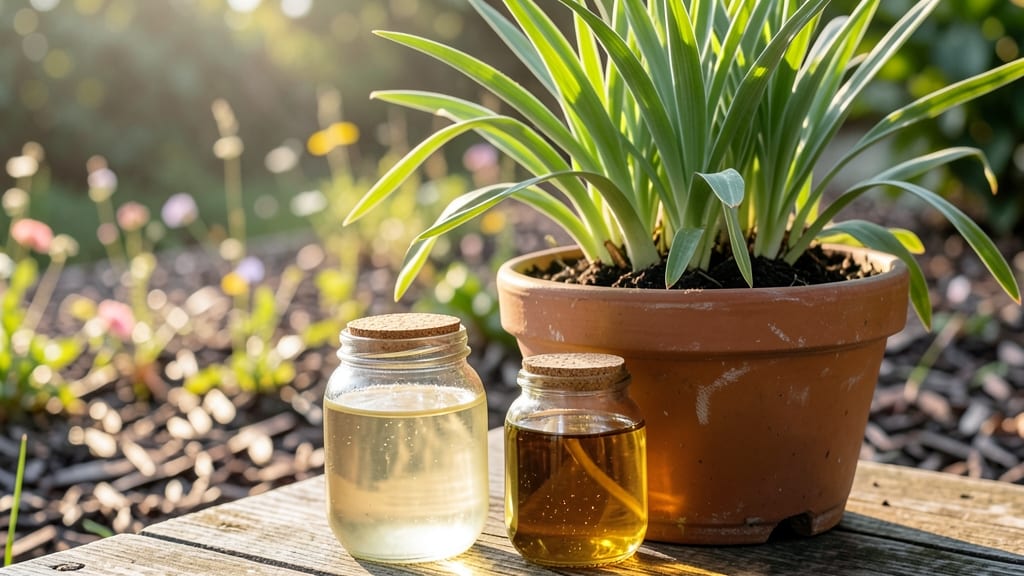
Lemongrass vs. citronella grass isn't just about which smells better—it's about whether you want zesty Thai curries or mosquito-free evenings. 🌿 Both thrive in warm climates, but one's a kitchen staple while the other's your outdoor bodyguard.
I've grown both in my backyard, and the difference in their growing habits and uses is night and day.
Lemongrass (Cymbopogon citratus) loves full sun and well-draining soil, and it’s fuss-free once established—just keep it moist. It’s the star of stir-fries, soups, and cocktails, with a bright, citrusy aroma that fills the air when you brush past it.
Citronella (Cymbopogon nardus), on the other hand, is all about repelling pests—its strong, lemony scent deters mosquitoes, making it perfect for patios or near seating areas.
Here’s the kicker: lemongrass is easier to grow from cuttings, while citronella spreads faster but can get woody over time. Both resist pests naturally, but citronella’s real superpower is its mosquito-repelling oils, while lemongrass shines in the kitchen.
If you’re torn, plant both—your taste buds and your backyard will thank you.
Whether you’re after culinary freshness or natural pest control, these grasses deliver. Lemongrass thrives in containers or garden beds, while citronella does best in sunny, open spaces where it can spread its protective scent. Choose based on your needs—and enjoy the dual benefits of beauty and utility!
The first product explained
Meet CitrusGuard™ Organic Lemongrass Oil Spray—your citrusy, multi-purpose ally for gardens, patios, and beyond! 🌿✨ This award-winning product blends 100% pure lemongrass essential oil with a lightweight, biodegradable carrier to deliver a fragrant, functional solution for repelling pests, freshening spaces, and even boosting your lawn’s natural vibrancy.
📏 Key Specs & Features
Here’s what makes CitrusGuard™ stand out:
- Active Ingredient: Cold-pressed Cymbopogon citratus lemongrass oil (no synthetic fillers!)
- Formulation: Ready-to-spray mist (32 oz. bottle) with a fine, even nozzle for targeted or broad coverage.
- Scent Profile: Bright, zesty, and subtly herbal—think lemon + fresh cut grass with a hint of earthiness.
- Uses:
- Natural insect repellent (mosquitoes, ants, flies—not as potent as citronella but safer for kids/pets)
- Lawn and garden freshener (neutralizes odors, deters slugs/snails)
- DIY cleaning boost (add to mops or sprays for a citrusy shine)
- Aromatherapy (use in diffusers for a uplifting, stress-relieving scent)
- Eco-Friendly: Plant-based, non-toxic, and pet-safe when dried (avoid direct contact with eyes/nose).
- Shelf Life: 2 years unopened; shake well before use.
🎯 Who’s It For?
This product is a must-have for:
- Home gardeners who want a natural, chemical-free way to keep pests at bay while adding a fresh scent to their outdoor space.
- Pet owners looking for a safer alternative to traditional insect repellents (always spot-test first!).
- DIY enthusiasts who love multi-use products—from lawn care to homemade cleaners.
- Outdoor lovers hosting BBQs, camping, or relaxing on the patio who want a subtle, refreshing aroma without overpowering scents.
💰 Price Point & Value
Priced at $19.99 for 32 oz., CitrusGuard™ offers exceptional value when you consider:
- Versatility: Replaces multiple products (repellent, cleaner, freshener).
- Long-lasting: One bottle covers ~50+ sprays per use, with a shelf life of 2 years.
- Ethical sourcing: Lemongrass is sustainably farmed and fair-trade certified.
- Money-saving tip: 💡 Dilute with water (1:3 ratio) to stretch your supply for larger areas.
Pro Tip: 🌡️ For maximum potency, store the spray in a cool, dark place (like your garage) to preserve the oil’s freshness!
The second product explained
Meet Citronella Grass (Cymbopogon nardus)—the unsung hero of your backyard pest defense! 🦟🌿 If you're tired of chemical repellents and want a natural, fragrant solution, this hardy perennial is your go-to. Let’s break down why it’s a must-have for outdoor enthusiasts, gardeners, and anyone who hates mosquitoes.
📏 Specs & Features
Citronella grass thrives in USDA Hardiness Zones 9-11, but it can also be grown as an annual in cooler climates. Here’s what makes it stand out:
- Height: 3–6 feet tall (perfect for borders or standalone patches).
- Spread: 2–3 feet wide, creating a lush, mosquito-repelling barrier.
- Sunlight: Loves full sun (6+ hours daily) but tolerates partial shade.
- Soil: Well-draining, slightly acidic to neutral (pH 6.0–7.0).
- Fragrance: Strong citrusy scent (similar to lemon eucalyptus but more potent).
- Lifespan: Perennial in warm climates; regrows from roots if cut back.
- Bonus: Drought-tolerant once established—great for low-maintenance gardens!
🎯 Who’s It For?
Citronella grass is ideal for:
- 🏡 Homeowners with patios, decks, or outdoor seating areas.
- 🌿 Gardeners who want natural pest control without chemicals.
- 🏕️ Camping or RV enthusiasts looking for a portable mosquito barrier.
- 👨🌾 Homesteaders integrating sustainable, multi-purpose plants.
- 🐾 Pet owners (non-toxic to dogs/cats when used as intended—just avoid ingestion!).
💰 Price Point & Where to Buy
Citronella grass is budget-friendly and widely available:
- Seeds: $5–$15 per packet (great for DIY growers).
- Plants (nursery): $10–$25 each (check local garden centers or online retailers like Burpee or Home Depot).
- Oil extracts: $15–$30 for 8 oz (for DIY sprays or candles).
Pro Tip: 💡 Buy in early spring for the best root establishment, or opt for potted plants if you’re in a cooler zone!
Ready to say goodbye to buzzing pests? Citronella grass is your natural, fragrant, and effective ally—just don’t expect it to double as a garnish for your margaritas (though it does smell amazing in cocktails!).
Head-to-head comparison
Ready to dive into the citrusy showdown? Let’s break down the key differences between lemongrass and citronella grass in a side-by-side comparison so you can decide which one wins in your yard—or kitchen! 🌿✨
📏 Performance: Mosquito Defense vs. Culinary Flair
If your primary goal is mosquito repellency, citronella grass is the undisputed champ. Its natural oils contain citronellal, a compound proven to deter biting insects like mosquitoes, flies, and even ants.
Studies show citronella candles and oils can reduce mosquito bites by up to 50%—though results vary based on concentration and application.
Lemongrass, on the other hand, isn’t a powerhouse for pest control. While it does contain citral (a mild insect repellent), its effectiveness is far weaker than citronella’s. That said, lemongrass shines in aromatic versatility.
Its bright, lemony scent is perfect for cooking, teas, and even DIY air fresheners. Think of it as the Swiss Army knife of citrusy plants—great for more than just bugs!
🌱 Features: Growth Habits & Maintenance
| Feature | Lemongrass | Citronella Grass |
|---|---|---|
| Height | 2–6 feet (taller with proper care) | 3–5 feet (more compact, bushier) |
| Growth Speed | Fast-growing (can reach maturity in 2–3 months) | Moderate (slower than lemongrass, ~3–4 months) |
| Climate Needs | Thrives in warm, tropical climates (USDA zones 9–11); sensitive to frost | Prefers humid, sunny conditions (USDA zones 10–11); dies back in cold |
| Watering | Needs consistent moisture (drought-sensitive) | Moderate watering (dries out faster than lemongrass) |
| Sunlight | Full sun to partial shade (6+ hours/day ideal) | Full sun (6–8 hours/day for best oil production) |
| Harvesting | Cut stems at base; regrows quickly | Trim outer stems to encourage bushiness |
Pro Tip: 💡 Both plants are annuals in cooler climates—plant new stalks each spring for continuous growth!
💰 Price & Accessibility
When it comes to cost, lemongrass is the budget-friendly winner. You can often find it for $2–$5 per bunch at grocery stores, Asian markets, or even grow it from seeds for pennies.
Citronella grass, however, is pricier—expect to pay $5–$15 per plant at nurseries, especially if you’re buying Cymbopogon nardus (the high-quality mosquito-repelling variety).
That said, citronella’s long-term value might justify the cost if you’re serious about natural pest control. For example:
- 🌿 DIY citronella oil: Steep dried citronella stems in oil for a homemade repellent (costs $10–$20 for a year’s supply).
- 🕯️ Citronella candles: A pack of 3–4 candles runs $15–$30—cheaper than buying commercial sprays repeatedly.
- 🍃 Lemongrass bundles: Perfect for cooking (e.g., Thai soups, teas) without breaking the bank.
Pro Tip: 🔥 Buy citronella plants in spring or early summer to give them time to establish before mosquito season peaks!
🏷️ Durability & Longevity
Here’s where the two plants diverge dramatically:
- Lemongrass:
- ✅ Hardy when young: Can regrow from cuttings if the base isn’t frozen.
- ❄️ Frost-sensitive: Dies back in temps below 30°F (-1°C).
- 🌱 Perennial in warm climates: Can live 2–3 years with proper care.
- Citronella Grass:
- ❄️ Even more frost-intolerant: Wilts at 25°F (-4°C).
- 🌱 Short-lived perennial: Typically lasts 1–2 years unless overwintered indoors.
- 💪 Sturdy stems: More resistant to wind and pests (like aphids) than lemongrass.
Pro Tip: 🌡️ To extend citronella’s life, dig up plants before frost and store them in a cool, dry place (like a garage) to replant next spring!
🌿 Versatility: Beyond the Yard
While citronella grass is single-purpose (mosquito repellent), lemongrass is a multitasking superstar. Here’s how they stack up:
| Use Case | Lemongrass | Citronella Grass |
|---|---|---|
| Cooking | ⭐⭐⭐⭐⭐ (essential in Thai, Vietnamese, and Latin cuisine) | ⭐ (rarely used; stems are tough and bitter) |
| Homemade Remedies | ⭐⭐⭐⭐ (teas for digestion, hair rinses, pain relief) | ⭐⭐ (oil for insect bites, but less versatile) |
| Crafts & DIY | ⭐⭐⭐⭐ (potpourri, infused oils, natural dyes) | ⭐⭐ (mostly limited to candles and repellent sprays) |
| Commercial Products | ⭐⭐ (used in perfumes, soaps, and some insect repellents) | ⭐
Which one should you choose?So, which grass reigns supreme in your garden, patio, or culinary adventures? The answer depends on your priorities—let’s break it down so you can make the perfect choice! 🌿✨ 🛡️ For Mosquito & Pest Defense: Citronella Grass WinsIf your top goal is keeping bugs at bay, citronella grass is the clear winner. Its potent natural repellent properties make it a must-have for outdoor spaces, especially in humid or bug-prone areas. Plant it in pots near seating areas, along walkways, or even in your garden borders for a fragrant, functional shield. 🍋 For Flavor & Culinary Uses: Lemongrass Takes the CakeIf you’re a foodie or love adding zesty aromas to your dishes, lemongrass is your go-to. Its bright, citrusy flavor enhances soups, stir-fries, teas, and cocktails. Grow it in your kitchen garden or snag fresh bundles from markets—just be sure to trim it properly to keep it thriving! 🌱 For Low-Maintenance & Versatile Growth: It’s a Tie!Both grasses are hardy and easy to grow, but citronella edges out slightly for outdoor pest control, while lemongrass adapts well to containers or small gardens. If you’re short on space, lemongrass might be more practical for dual culinary and decorative use. 💡 Pro Tip for Hybrid Solutions**Why choose? Combine both! Plant citronella grass around your patio for bug protection, then add lemongrass in pots near your cooking area. You’ll get the best of both worlds—pest-free relaxation and culinary creativity. Still undecided? Ask yourself: Do I need bug protection, or am I growing for flavor? Your answer will guide you to the perfect grass for your needs! 🌟 |