
Advice
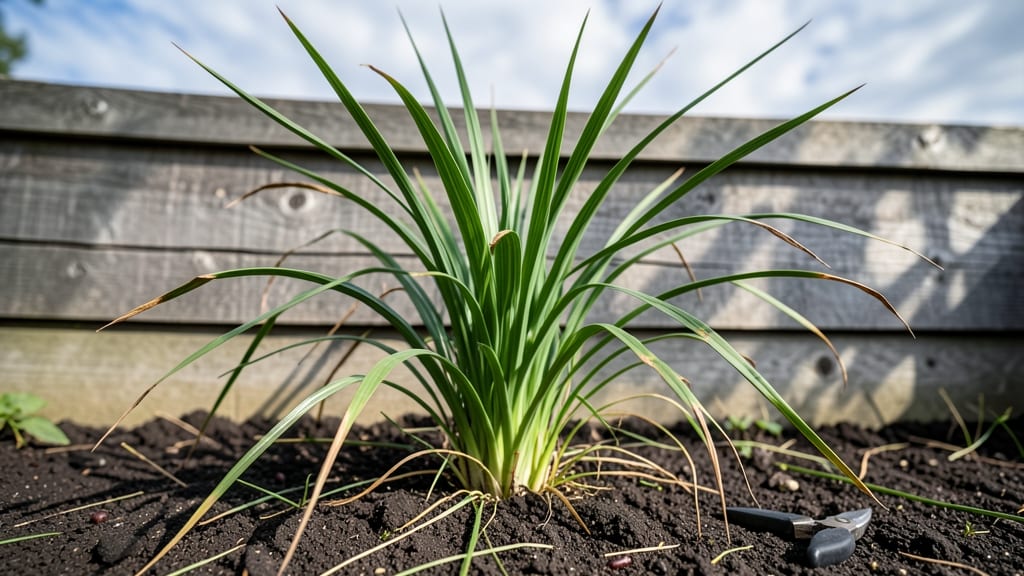
Your lemongrass turning brown doesn’t mean it’s dead—it’s just telling you something’s off. 🌱 I’ve nursed back more than my share of sad-looking stalks, and there’s always a fix, whether it’s too much water, not enough, or something sneaking in the soil.
The good news? You can often revive it in just a few days with the right tweaks.
Most brown lemongrass comes down to three culprits: overwatering (which chokes roots), underwatering (stressing the plant), or pests like aphids hiding in the stems. Fungal issues like root rot can creep in if the soil stays soggy, while cold drafts or too much direct sun can scorch the leaves.
The key is identifying the problem fast—before it spreads.
Start by checking the soil: stick your finger in an inch deep. If it’s damp, hold off on watering; if it’s bone-dry, give it a deep drink. Trim any mushy or blackened stems with clean scissors, and if pests are the issue, wipe them off with soapy water.
Within a week, you’ll see fresh green shoots pushing through—proof it’s not too late to save your plant.
For stubborn cases, a diluted neem oil spray can knock out hidden pests or fungal spores. Keep the soil well-draining and the pot in bright, indirect light, and your lemongrass will bounce back stronger than ever.
Trust me, it’s worth the effort—nothing beats the zing of homegrown lemongrass in your cooking!
Root Causes Of Discoloration
When your lemongrass starts turning brown, it’s rarely a sign of poor luck—it’s usually a clear message from the plant about its environment or care routine. Understanding the specific triggers behind the browning helps you address the issue before it spreads.
Below, we break down the most common reasons, complete with the science behind them and actionable fixes.
Lemongrass thrives in well-draining soil and hates soggy roots. When water pools around the base or the soil stays damp for too long, the plant’s roots suffocate due to oxygen deprivation. This triggers anaerobic conditions, where harmful bacteria and fungi take over, causing:
- Brown, mushy stems (often starting at the base)
- Foul odor from rotting tissue
- Yellowing leaves before browning sets in
Why it happens: Lemongrass is native to tropical regions where rainfall is frequent but followed by dry periods. Its fibrous root system needs air to function. When soil stays waterlogged, the plant can’t absorb nutrients efficiently, leading to cellular breakdown and browning.
Pro tip: 🌡️ Test your soil’s moisture by sticking your finger 1–2 inches deep—if it’s damp, wait before watering. Use pots with drainage holes and a sandy or gritty potting mix (like cactus soil blended with coconut coir).
While lemongrass loves sunlight, too much direct heat—especially in arid climates or during peak afternoon sun—can scorch its leaves and stems. The plant’s cuticle (waxy outer layer) breaks down under extreme UV exposure, leading to:
- Dry, crispy brown edges on leaves
- Bleached or straw-like stems (common in greenhouses or conservatories)
- Premature wilting even with adequate water
Why it happens: Lemongrass is adapted to partial shade in its native Southeast Asia, where it grows under taller canopy trees. The plant’s chlorophyll (the green pigment) degrades under prolonged UV stress, causing oxidative damage to cells. High temperatures also increase transpiration rates, drying out the plant faster than roots can replenish moisture.
Pro tip: ✨ If you’re in a hot climate, provide 30–50% shade during midday (use shade cloth or grow it near taller plants). In containers, move pots to dappled sunlight or a spot with morning sun only.
Lemongrass is a tender perennial, meaning it cannot tolerate frost or temperatures below 50°F (10°C). When exposed to cold, its cell membranes rupture from ice crystal formation, leading to:
- Black or dark brown patches (often with a water-soaked appearance)
- Soft, mushy stems that collapse easily
- Slow recovery even after warmth returns
Why it happens: Cold stress triggers oxidative damage in plant cells, disrupting the electron transport chain in mitochondria (the plant’s energy powerhouses). This causes necrosis (cell death) as the plant can’t produce enough ATP (energy) to repair itself. Additionally, water in plant tissues freezes and expands, physically bursting cell walls.
Pro tip: 🏡 If you live in a cold region, grow lemongrass in containers and bring them indoors before temperatures drop below 50°F. Use a heat mat or grow lights to maintain warmth. Avoid placing pots near drafty windows or doors.
Brown, slimy, or spreading discoloration is often a red flag for pathogenic invaders. Two common culprits are:
- Root rot (Phytophthora or Pythium): Causes dark brown, waterlogged stems and a musty smell.
- Leaf spot (Cercospora or Alternaria): Creates concentric brown rings on leaves, often with yellow halos.
Why it happens: Fungi and bacteria thrive in humid, stagnant conditions. Overwatering creates the perfect breeding ground, while wounded stems (from harvesting or pests) provide entry points. These pathogens secrete enzymes that break down the plant’s cell walls, leading to browning and decay.
Pro tip: 🔥 Prevent infection by:
- Watering at soil level (not overhead) to reduce humidity on leaves.
- Using sterilized pruners (wipe with rubbing alcohol) when harvesting.
- Adding neem oil or copper fungicide to water every 2–3 weeks as a preventative.
Lemongrass is a heavy feeder and needs a balanced diet. Deficiencies or excesses of key nutrients can cause browning:
| Nutrient Issue | Symptoms | Cause |
|---|---|---|
| Potassium deficiency | Brown, crispy edges on older leaves; stems weaken | Potassium regulates water and enzyme activity. Without it, cells lose turgor pressure, leading to browning. |
| Magnesium deficiency | Interveinal brown-yellow patches (between leaf veins) | Magnesium is central to chlorophyll production. Deficiency disrupts photosynthesis, causing cell death. |
| Salt or chemical buildup | Uniform brown scorching on leaf tips; stunted growth | Excess salts (from tap water or fertilizers) disrupt osmosis, preventing roots from absorbing water/nutrients. |
Why it happens: Lemongrass prefers slightly acidic soil (pH 6.0–7.0). Nutrient imbalances occur when:
- Soil is depleted from repeated harvesting (lemongrass is a cut-and-come-again plant).
- Fertilizers are overapplied, leading to salt burn.
- Water has high mineral content (use filtered or rainwater if possible).
Pro tip:
Lemongrass turning brown can be frustrating, but the good news is most issues have simple solutions—whether it’s wilting, overwatering, or environmental stress. Below, we’ve mapped out practical fixes based on the most common causes, along with prevention tips to keep your lemongrass lush and green. Let’s get those stems back to their vibrant best! Signs: Yellowing, brown mushy stems, or a foul smell at the base.
Fix: 💡 Pro Tip: If your lemongrass is root-bound, consider repotting into a slightly larger container with fresh, well-draining potting mix. Signs: Brown, crispy tips or patches, especially on leaves exposed to direct sunlight.
Fix: 💡 Pro Tip: If you’re growing lemongrass in a hot climate, mulch the soil with straw or coconut coir to retain moisture. Signs: Brown, wilted stems or blackened tips, often after a sudden temperature drop.
Fix: 💡 Pro Tip: If growing outdoors, cover plants with frost cloth during cold snaps. Signs: Brown, woody stems at the base or sparse regrowth after cutting.
Fix: 💡 Pro Tip: If your lemongrass is over 3 years old, it may be past its prime. Start fresh with a new plant! Signs: Brown spots, holes, or sticky residue (sap) on stems.
Fix: 💡 Pro Tip: Prevent pests by regularly wiping leaves and avoiding overhead watering. Keep your lemongrass thriving with these easy habits:
✅ Water wisely – Only when soil is dry (avoid soggy roots).
✅ Monitor sunlight – Start with bright indirect light, then gradually acclimate to sun.
✅ Prune regularly – Trim brown or yellow stems monthly to encourage new growth.
✅ Fertilize seasonally – Use a light, organic fertilizer in spring and summer.
✅ Watch for pests – Inspect leaves weekly for early signs of trouble. With these fixes, your lemongrass should bounce back in no time—and stay vibrant for months to come! 🌿✨ This is usually a sign of root rot from overwatering or poor drainage. The base stems rot when roots suffocate in soggy soil, blocking nutrient flow. Check for mushy texture and foul smells—if present, trim the damaged parts and let the soil dry completely before watering again. Yes, but only the green, firm stems. Discard any brown, mushy, or yellow parts—they lose flavor and may harbor bacteria. Use the healthy portions immediately in cooking or store them properly (wrapped in a damp paper towel in the fridge for 1 week or frozen for 3 months). Water only when the top 1–2 inches of soil feel dry. For potted lemongrass, this is typically every 5–7 days in warm weather, but adjust based on your climate. Overwatering is the #1 cause of browning—always ensure pots have drainage holes and use well-draining soil. Neem oil is a natural fungicide and pesticide. Mix 1 teaspoon with 1 quart of water and 1 drop of dish soap, then spray on leaves (avoid stems). Repeat every 7–10 days until new growth appears. It works best for fungal spots or pest damage causing browning. Sometimes! If the roots are still white and firm, trim all brown stems and repot in fresh, well-draining soil. Place in bright indirect light and water lightly. If roots are black/mushy, the plant is likely dead—start fresh with a new cutting. Even dead plants can regrow from healthy roots!Quick Fixes for Reviving Lemongrass
Frequently asked questions
Why does my lemongrass turn brown at the base first?
Can I still use lemongrass that's turning brown?
How often should I water lemongrass to prevent browning?
Will neem oil help if my lemongrass has brown spots?
Can I revive lemongrass that's completely brown and wilted?