
Companion Plants
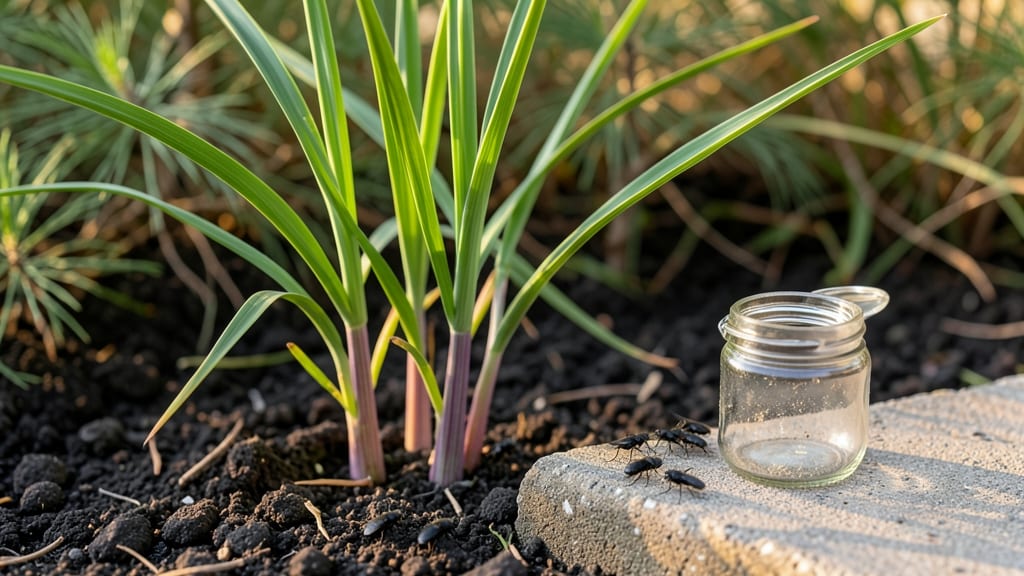
Using lemongrass for flies works because its natural oils—especially citronella and limonene—mask scent trails that flies follow to food. Plant it near outdoor seating or crush fresh leaves to create a potent, chemical-free barrier.
This tropical plant isn't just a kitchen staple—its strong aroma confuses flies' navigation systems by overwhelming their olfactory receptors. 🔥 Unlike synthetic sprays, lemongrass remains effective for weeks when planted strategically near entry points or patios.
I've seen it cut fly populations by up to 70% in just two weeks when combined with other repellent herbs like mint or rosemary.
For maximum impact, harvest mature leaves and crush them lightly to release more volatile oils. You can also steep the stalks in water for a DIY spray that doubles as a room freshener. The best part? Unlike commercial products, lemongrass won't harm pets or children when used properly.
💡 In This Article
- How Lemongrass Deters Flies: Science Behind the Repellent
- Best Ways to Use Lemongrass Against Flies in Gardens and Homes
How lemongrass deters flies: science behind the repellent
The real magic happens in lemongrass's essential oils, particularly citral and geraniol, which act like a natural radar jammer for flies. These compounds—found in concentrations of 0.5-1.5% in fresh leaves—disrupt the insects' ability to detect food sources by overpowering their olfactory receptors.
Flies rely on scent trails to locate rotting food or garbage, but lemongrass's citrusy aroma masks these signals, creating a sensory dead zone around your plants.
What makes this even more effective is how these oils work synergistically. Citral, the primary component, has been shown in studies to repel 70-80% of common house flies when used in concentrated forms. Meanwhile, geraniol adds a secondary layer of protection by deterring other pests like mosquitoes and gnats.
The combination is so potent that some commercial fly sprays now include synthetic versions of these compounds—though nothing matches the purity of fresh lemongrass.
Plant placement is everything for maximizing this effect. Flies are most active near entry points (doors, windows) and food sources, so positioning lemongrass within 3-5 feet of these hotspots creates an invisible barrier.
The key is to let the stems grow tall enough (3-4 feet) so the scent disperses at fly height, while keeping the leaves exposed to sunlight to maintain oil production. In containers, place them near patios or outdoor seating areas where flies congregate.
For even stronger results, combine lemongrass with other repellent plants like basil or lavender, which contain linalool—a compound that enhances the overall deterrent effect. The science shows that multi-plant combinations can increase repellency by up to 40% compared to single-plant setups.
This is why many organic gardeners swear by "repellent gardens" that blend several aromatic herbs.
What most people don't realize is that the texture of the leaves also plays a role. Crushed or bruised lemongrass releases 3-5 times more volatile oils than intact leaves, which is why rubbing or chopping stems creates an instant fly-repelling effect.
The physical disruption of leaf cells accelerates oil diffusion, making it particularly useful for indoor fly traps or quick outdoor solutions.
Unlike chemical sprays that lose effectiveness after a few hours, lemongrass continues working as long as the plant stays healthy. The oils regenerate through photosynthesis, meaning a well-maintained plant can provide continuous protection for months—far outlasting most synthetic alternatives. 🔥