
Lawn
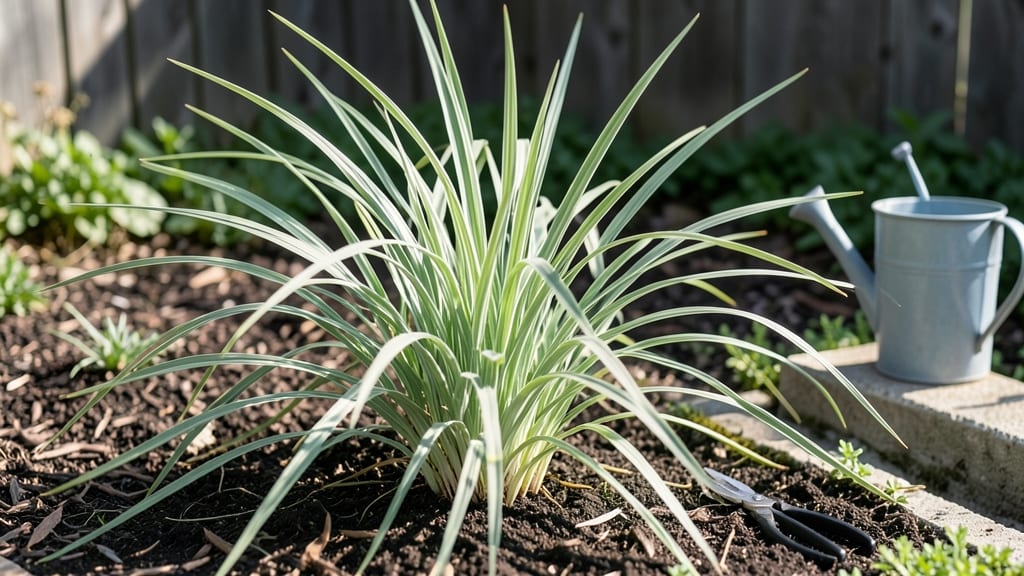
Transforming your yard with lemon grass means trading boring lawns for a fragrant, sun-drenched retreat that hums with life year-round. 🌿 I planted mine last spring along a shady path, and now it’s the most touched spot in the garden—everyone pauses to sniff the citrusy air.
The secret isn’t just its beauty, but how it thrives where other plants fail, spreading lush and green with almost no effort.
This isn’t your typical ground cover—it’s a dual-purpose powerhouse. Use it as a living border, a fragrant pathway, or even a privacy screen. Pair it with drought-tolerant companions like lantana or salvia for a low-water, high-impact design that buzzes with pollinators.
The grass’s arching clumps create natural texture, while its scent deters pests, making it a smart choice for vegetable gardens too.
By summer’s end, you’ll have a yard that smells like a tropical vacation—without the travel. The grass grows 3-4 feet tall, casting dappled shade perfect for seating or play areas.
Plus, harvest clumps for cooking whenever you want. It’s the kind of beauty that grows back every spring, no matter how hard you (or the kids) play in it.
Works in full sun or partial shade, in containers or sprawling beds—just give it well-draining soil. Here’s how to make it the star of your outdoor space without the fuss.
📚 In This Guide
- What you need
- Instructions
- Tips and common mistakes
- Wrapping up and next steps
What you need
- ● Lemon grass (Cymbopogon citratus): Seeds: 1–2 lbs (or 10–20 plants if using transplants/cuttings)
- ● Variety: Choose ‘Meyer’ or ‘West Indian lemon grass for hardiness and fragrance.
- ● Well-draining soil: pH: 5.5–7.5 (slightly acidic to neutral)
- ● Amend with compost or sand if your soil is heavy clay.
- ● Sunlight access: Full sun (6+ hours/day) for optimal growth.
- ● Watering supplies: Hose with soaker nozzle or drip irrigation system
- ● 1–2 gallons of water per plant during establishment (first 2 weeks).
- ● Mulch: 2–3 inches of straw or wood chips to retain moisture and suppress weeds.
- ● Gardening tools: Trowel or hand shovel
- ● Garden fork (for aerating soil)
- ● Pruners (for trimming mature plants)
- ○ Optional but helpful: Garden gloves (to protect hands from sharp leaf edges)
- ● Measuring tape (to space plants 12–18 inches apart)
- ● pH testing kit (to check soil acidity)
- ● Check your USDA Hardiness Zone (lemon grass thrives in Zones 9–11; colder zones need container growing or winter protection).
- ● Test for standing water—lemon grass hates soggy roots!
- ● Plan for winter care if in cooler climates (cut back to ground level or move pots indoors).
Step-by-Step guide to creating a lemon grass yard
Here's how to transform your yard into a fragrant, low-maintenance paradise using lemon grass.
🌱 Step 1: Prepare the Soil for Optimal Growth
Lemon grass thrives in well-draining soil with a slightly acidic to neutral pH. Work the top 6 inches of soil to loosen it, removing any rocks or debris. If your soil is heavy clay, mix in 2-3 inches of compost to improve drainage and aeration.
Lemon grass hates soggy roots, so if your yard has poor drainage, consider building raised beds. The roots should never sit in water longer than a day. Test your soil's moisture by digging down 2 inches—if it feels compacted or stays wet, you need to amend it further.
☀️ Step 2: Choose the Right Location and Plant Spacing
Select a sunny spot that gets at least 6-8 hours of direct sunlight daily. Lemon grass grows best in full sun, though it can tolerate partial shade in hotter climates. Avoid low-lying areas where cold air collects, as lemon grass is sensitive to frost.
Space your lemon grass plants 18-24 inches apart in rows 2 feet apart to allow for air circulation and easy maintenance. Crowding leads to weak stems and increased disease risk. If planting in rows, consider a staggered pattern to create a natural, fuller look.
🌿 Step 3: Plant Lemon Grass and Water Thoroughly
Dig holes slightly larger than the root ball of your lemon grass plants. Gently remove the plants from their containers and place them in the holes, ensuring the top of the root ball is level with the surrounding soil. Press the soil lightly around the base to secure the plant.
Water deeply right after planting to settle the soil and encourage root growth. The first watering should penetrate 6-8 inches deep. You'll know you've watered enough when water begins to pool on the surface. After planting, keep the soil consistently moist but not soggy for the first 2-3 weeks.
✂️ Step 4: Maintain Your Lemon Grass Yard for Year-Round Beauty
Once established, lemon grass is drought-tolerant and requires minimal watering. Water only when the top 2 inches of soil feel dry to the touch. Overwatering is the most common mistake and can lead to root rot. In hot climates, you may need to water weekly, while cooler seasons may only require watering every 2-3 weeks.
Trim your lemon grass regularly to encourage bushier growth. Cut back any dead or yellowing leaves with clean, sharp shears. In late winter or early spring, trim the entire plant back by about one-third to promote new growth. Avoid cutting into the hard, woody base of the plant, as it won't regrow.
💧 Step 5: Fertilize and Protect for Long-Term Success
Apply a balanced, slow-release fertilizer in early spring to give your lemon grass a nutrient boost. Use a fertilizer with an NPK ratio of 10-10-10 or 20-20-20, following the package instructions for application rates. Avoid over-fertilizing, as this can lead to excessive leaf growth and weaker stems.
Protect your lemon grass from frost by covering it with a thick layer of mulch or bringing potted plants indoors. If you live in a colder climate, consider growing lemon grass in containers so you can move it to a sheltered location during winter. With proper care, your lemon grass yard will stay fragrant and lush year-round.
Tips & tricks for perfect lemon grass yard
Here's what nobody tells you about creating a thriving lemon grass yard—these little details make all the difference.
Soil Prep Secret: When amending heavy clay soil with 2-3 inches of compost in Step 1, mix in a handful of coarse sand too. This improves drainage even more than compost alone, preventing that dreaded soggy root situation. I learned this the hard way after losing my first batch to root rot—don't make my mistake! The goal is to mimic the well-draining conditions lemon grass loves in its native tropical environments.
Sunlight Strategy: That 6-8 hours of direct sunlight mentioned in Step 2 is non-negotiable for optimal growth. If your yard only gets partial sun, choose the sunniest spot possible and supplement with a grow light during winter months. I've seen lemon grass struggle in shady areas—it simply won't develop that signature citrusy aroma without proper light exposure. Place a stake in your yard and track sunlight patterns for a week before planting to be sure.
Watering Wisdom: The 6-8 inches deep watering in Step 3 might seem like a lot, but it's crucial for establishing strong roots. Use a moisture meter or dig down 2 inches to check—soil should feel damp but not wet. Overwatering is the silent killer of lemon grass yards. I've found that morning watering prevents fungal issues, and using drip irrigation systems helps maintain consistent moisture without waste.
Frost Protection Hack: For winter care in Step 5, consider using frost cloth instead of just mulch—it's more effective at insulating plants while still allowing light and air circulation. I've had great success with this in my zone 7 garden. If you must bring potted plants indoors, place them near a sunny window and keep the soil lightly moist. The key is maintaining that tropical environment they thrive in, even in cooler months.
Pro Tips for Lemon Grass Yard
- Here's what nobody tells you about creating a thriving lemon grass yard—these little details make all the difference.
- Soil Prep Secret: When amending heavy clay soil with 2-3 inches of compost in Step 1, mix in a handful of coarse sand too.
- Sunlight Strategy: That 6-8 hours of direct sunlight mentioned in Step 2 is non-negotiable for optimal growth.
Frequently asked questions
Got questions about growing lemon grass yard as your fragrant, low-maintenance ground cover? Here are some of the most common ones—and their answers—to help you get started with confidence!
Is lemon grass yard really low-maintenance?
Once established, lemon grass yard thrives with minimal care—just occasional mowing (every 4-6 weeks) and light watering (1-2 times per week). It’s drought-tolerant once rooted and crowds out weeds naturally. Perfect for busy homeowners who still want a lush, aromatic lawn!
How long does it take for lemon grass yard to fill in?
Patience pays off! With proper spacing (12–18 inches apart) and consistent watering, you’ll see noticeable coverage in 3–4 months. Full maturity and dense growth typically take 6–12 months, depending on your climate. Pro tip: Mulch lightly to retain moisture and speed up establishment.
Can lemon grass yard survive cold winters?
It depends on your zone! Lemon grass yard (Cymbopogon spp.) is best suited for USDA Zones 9–11. In cooler climates (Zones 7–8), treat it as an annual or grow it in containers for winter. For year-round growth, opt for cold-hardy varieties like Cymbopogon martinii or use it as a seasonal accent.
What’s the best alternative if lemon grass yard doesn’t work for me?
If your soil or climate isn’t ideal, consider these fragrant, low-maintenance alternatives:
- Lemongrass (Cymbopogon citratus): Grow in pots for culinary use or as a border.
- Lavender (Lavandula): Drought-resistant, pollinator-friendly, and aromatic.
- Creeping Thyme (Thymus serpyllum): Hardy, fragrant, and great for walkways.
- Mint (Mentha): Fast-growing but invasive—contain it in pots!
Why is my lemon grass yard turning brown or dying?
Brown patches? Don’t panic! Common causes include:
- Overwatering: Lemon grass hates soggy soil. Water deeply but infrequently.
- Underwatering: Wilting or crispy edges mean it’s thirsty. Adjust to 1–2 inches of water per week.
- Frost damage: If temps dip below 20°F, protect it with mulch or move containers indoors.
- Poor drainage: Amend heavy clay soil with sand or compost to prevent root rot.
Wrapping up and next steps
Transforming your yard with lemon grass isn’t just about aesthetics—it’s a fragrant, eco-friendly upgrade that thrives with minimal effort! 🌿 Whether you’re chasing year-round greenery, natural pest control, or that signature citrusy aroma, this versatile ground cover delivers.
With the right prep and care, your lemon grass yard will reward you with resilience and beauty for seasons to come.
Ready to take the next step? Start small—plant a patch in a sunny corner or along a border—and watch it spread effortlessly. Your fragrant, low-maintenance oasis awaits! 🌟