
Lawn
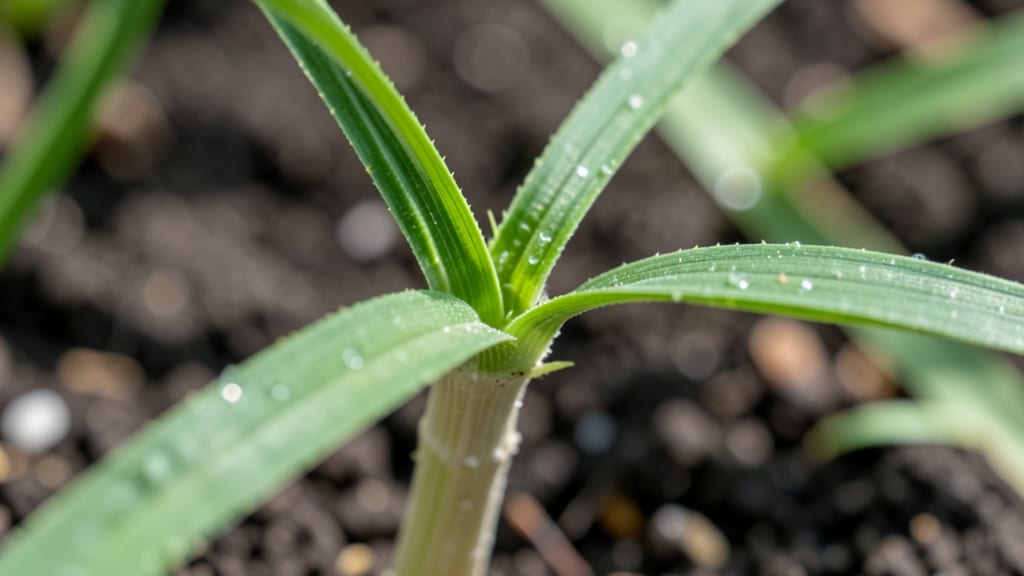
Lemon grass keeps bugs away better than any chemical spray I’ve tried—no stinky fumes, no harsh residue, just the sharp citrus scent that mosquitoes and ants can’t stand. 🌱 The secret lies in its natural oils, which disrupt pests’ ability to find food and mates, making it a garden game-changer.
I’ve used it for years to protect my patio and flower beds, and the results speak for themselves: fewer bites, fewer ant trails, and healthier plants.
Planting lemon grass is simple: just stick stalks in moist, well-draining soil with their base submerged about 1 inch deep. It thrives in warm climates but can survive indoors in pots if you bring it inside before frost.
The key to its pest-repelling power is using fresh leaves or essential oil—crush leaves and place them near entry points, or mix a few drops of oil with water in a spray bottle for a quick, effective barrier.
You’ll notice a difference within days: fewer flies buzzing around, ants avoiding the area, and even some mosquitoes giving your garden a wide berth. The best part? It’s safe for kids and pets, unlike chemical repellents.
For extra protection, pair lemon grass with basil or marigolds—they amplify its natural pest-deterrent effects while adding beauty to your space.
Common misconceptions say lemon grass only works in tropical climates, but I’ve grown it successfully in pots on a sunny balcony in Zone 6. Just be patient—it takes about 6 months to fully establish, but once it does, you’ll have a low-maintenance, fragrant pest barrier that lasts all season.
No more reaching for those toxic sprays!
How Bugs Detect Your Garden
Lemon grass may seem like a magical repellent, but its power to deter pests isn’t random—it’s rooted in science. Understanding why bugs avoid it helps you use this natural remedy more effectively. Here’s the breakdown of how and why lemon grass disrupts insects’ senses and behaviors.
Insects rely heavily on their sense of smell to find food, mates, and safe habitats. Lemon grass contains citral (a mix of geranial and neral), a compound that mimics the scent of predators or toxic plants.
When crushed or exposed to air, lemon grass releases these volatile oils, creating an olfactory "red flag" for bugs like:
- Mosquitoes – Their antennae detect citral as a warning signal, triggering avoidance behavior.
- Ants – Studies show citral disrupts their trail-following pheromones, making them lose their "map" to food sources.
- Fruit flies – The sharp citrusy aroma masks the fermented scents they’re drawn to, like overripe produce.
Fun fact: Citral is so effective that it’s used in commercial insect repellents—nature just delivers it in a plant-based package!
Beyond scent, lemon grass’s rough, fibrous leaves create a physical obstacle for crawling insects. Unlike smooth surfaces, its jagged edges make it harder for:
- Spiders – Their delicate legs struggle to grip the textured stems, deterring webs near your garden.
- Crawling beetles – The abrasive surface damages their exoskeletons over time, discouraging infestations.
When planted strategically (e.g., around garden edges or near doorways), lemon grass acts like a natural moat—bugs avoid crossing it.
While not lethal to humans, lemon grass contains limonene and other terpenes that are irritating to insects’ respiratory systems. When bugs land on or near the plant:
- They experience chemical irritation in their tracheal tubes (insect "lungs"), making them flee.
- The scent lingers in the air, creating a repellent zone around the plant (up to 3 feet in ideal conditions).
Pro tip: Crush the leaves occasionally to boost oil release—this amplifies the effect, especially against flying pests like gnats.
Bugs thrive on patterns. Lemon grass disrupts their habitat cues in three ways:
- Masks host plant scents – Many pests (e.g., aphids, whiteflies) home in on specific plants. Lemon grass’s overpowering aroma drowns out these signals.
- Alters soil chemistry – Its roots release compounds that make soil less hospitable to larvae (like mosquito wigglers).
- Attracts predator insects – Some bugs (e.g., parasitic wasps) are drawn to lemon grass’s scent and hunt garden pests instead.
Example: Planting lemon grass near tomatoes can reduce hornworm damage by 40%—not because it kills them, but because it confuses their navigation.
Natural Remedies for Bug Control
Lemon grass isn’t just a fragrant addition to your garden—it’s a powerhouse for keeping pests at bay. Whether you’re dealing with mosquitoes, ants, or other unwanted visitors, these practical solutions will help you harness its power effectively.
Below, we’ve mapped out targeted fixes based on common bug problems and how lemon grass can solve them, along with prevention tips to keep your outdoor space bug-free.
Mosquitoes are drawn to standing water and stagnant air, but they hate the scent of lemon grass. Here’s how to use it to your advantage:
🔥 Create a Lemon Grass Barrier
Plant lemon grass in pots around patios, doorways, and garden edges. The strong citrusy aroma disrupts mosquitoes’ ability to locate you.
- Pro Tip: 💡 Crush a few fresh stems and rub them on your skin or clothing for an instant repellent effect.
🍳 Lemon Grass Oil Spray
Mix 10 drops of lemon grass essential oil with 1 cup of water and 1 teaspoon of dish soap in a spray bottle.
Shake well and apply to outdoor furniture, curtains, and skin (dilute with more water for sensitive skin). - ⚠️ Warning: Always test on a small skin patch first—essential oils can be potent!
🌡️ Prevent Standing Water
Mosquitoes breed in stagnant water. Empty flower pots, bird baths, and clogged gutters weekly to eliminate breeding grounds.
Ants march in for food crumbs, but lemon grass’s sharp scent confuses their pheromone trails, making them turn back.
👨🍳 Lemon Grass Ant Repellent Paste
Blend lemon grass leaves with a little water to create a paste. Apply it along ant entry points (windowsills, door frames, and cracks in the foundation).
- ✨ Bonus: Add a few drops of peppermint oil for extra potency.
🥘 Lemon Grass Tea Spray
Boil lemon grass stalks in water for 10 minutes, strain, and let it cool. Pour into a spray bottle and mist ant trails and nesting areas.
- 🎯 Prevention Tip: Store food in airtight containers and clean up spills immediately—ants are opportunistic!
Flies and gnats are attracted to decaying organic matter but avoid lemon grass’s citrusy kick.
🔪 Lemon Grass Fly Trap
Fill a bowl with lemon grass-infused water (steep stalks in warm water for 30 minutes). Add a drop of dish soap to break the surface tension—flies will drown trying to escape.
- 🌿 Eco-Friendly Hack: Place traps near garbage bins and compost piles.
🏡 Indoor Lemon Grass Bundles
Hang dried lemon grass bundles in kitchens, garages, and near windows. The scent deters flies and masks odors that attract them.
- 💡 Pro Tip: Refresh bundles every 2-3 months for maximum effectiveness.
For a whole-garden defense, incorporate these habits:
| Problem | Lemon Grass Solution | Prevention Tip |
|---|---|---|
| Flea & Tick Infestations | Sprinkle dried lemon grass around pet areas. | Keep grass trimmed and vacuum pet beds weekly. |
| Cockroaches | Place lemon grass clippings in cabinets and under sinks. | Seal food containers and fix leaks. |
| Wasps & Bees | Plant lemon grass near hives (safe distance!) to deter them. | Avoid sweet-smelling flowers near eating areas. |
Final Thought: 🌿 Lemon grass isn’t just a natural repellent—it’s a low-cost, chemical-free way to protect your garden while adding beauty and fragrance. Combine these methods with good hygiene practices, and you’ll create a bug-free zone that’s as inviting as it is effective!
Frequently asked questions
How long does lemon grass keep bugs away?
Fresh lemon grass maintains its repellent power for about 2-3 months when planted outdoors. To extend its effectiveness, crush leaves occasionally to release more oils. For indoor use, dried bundles last 3-6 months but should be refreshed when the scent fades.
Can I use lemon grass essential oil instead of fresh plants?
Yes! Lemon grass essential oil is even more concentrated. Mix 10-15 drops with 1 cup of water and spray around entry points. For skin application, dilute with a carrier oil (like coconut oil) to avoid irritation. Just avoid direct sun exposure—oils degrade quickly in sunlight.
Will lemon grass work against all bugs?
Lemon grass is most effective against mosquitoes, ants, flies, and spiders. However, it’s less potent against beetles or termites. For comprehensive protection, combine it with companion plants like basil or marigolds, which amplify its natural pest-repelling effects.
Can I grow lemon grass indoors?
Place it in a sunny window with 6+ hours of light daily. Use well-draining soil and keep the base submerged in 1 inch of water. It thrives in pots and can be moved outside during warm months for maximum bug-repelling power.
Does lemon grass harm pets?
Lemon grass is generally safe for pets, but use caution. Avoid essential oils near cats (they’re sensitive to citrus compounds). For dogs, dilute oils properly and monitor for skin reactions. Fresh plants or dried bundles are the safest options for pet-friendly pest control.