
Lawn
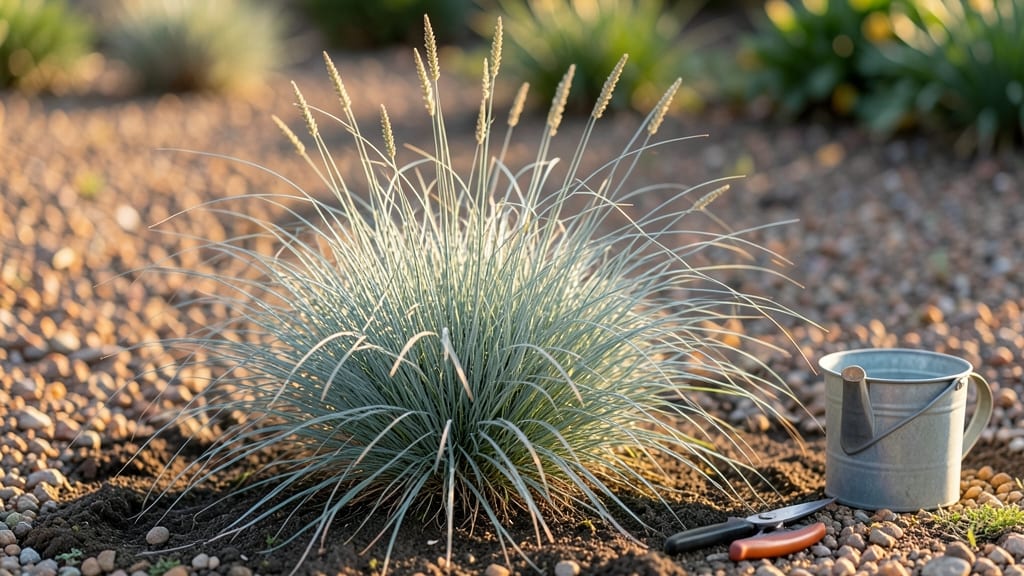
Landscaping with Mexican feather grass (Nassella tenuissima) instantly elevates modern gardens, as its silvery plumes sway effortlessly in the breeze—mine became a dramatic focal point near the patio last spring, and the movement alone makes it unforgettable. it worth every seed packet.
Unlike stiff ornamental grasses, this one sways like a living sculpture, catching light at every angle. The secret to its modern appeal lies in contrast: pair it with bold, low shrubs like Dwarf Mondo Grass or Creeping Thyme to anchor its height.
In containers, it thrives alongside succulents or ornamental peppers, creating vertical interest without overwhelming smaller spaces. Seasonal interest? Count on it—silvery foliage in spring, feathery blooms in summer, and golden hues in fall.
Maintenance is shockingly easy: water deeply once established, trim back in early spring, and watch it bounce back. The roots spread gently, so it won’t take over like bamboo—just enough to fill gaps without being invasive.
For a foolproof modern look, this grass does the work while you enjoy the view. Works in full sun or partial shade, urban courtyards, or rural borders. Here’s how to make it the star of your design without the fuss.
📚 In This Guide
- What you need
- Instructions
- Tips and common mistakes
- Wrapping up and next steps
What you need
- ● Mexican Feather Grass (Nassella tenuissima): 10–20 plants (depending on desired coverage and spacing—aim for 18–24 inches apart for full effect).
- ● Pro tip: Buy from a reputable nursery for healthy, disease-free clumps! 🌱
- ○ Soil amendments (optional but recommended): 5–10 lbs of compost or well-rotted manure to improve drainage (Mexican feather grass hates soggy roots).
- ● 1–2 lbs of sand (if your soil is clay-heavy).
- ○ Mulch (optional): 2–3 inches of gravel, decomposed granite, or pine straw to suppress weeds and retain moisture.
- ● Digging tools: 1 garden shovel or trowel (for planting individual clumps).
- ● 1 garden fork (if amending heavy soil).
- ● Measuring & marking: 1 tape measure or string with stakes to map out plant spacing.
- ● 1 spray bottle with water (to dampen soil before planting).
- ○ Maintenance tools (optional): 1 pair of pruning shears (for trimming dead foliage in late winter).
- ● 1 leaf blower or shop vacuum (to remove spent seed heads in spring).
- ● Sunlight: A full-sun location (6+ hours/day)—this grass thrives in heat! ☀️
- ● Drainage: Well-draining soil (avoid low spots where water pools).
- ● Climate: Hardy in USDA Zones 6–10 (check your local frost dates!).
- ● Patience: Mexican feather grass grows slowly but rewards you with bold texture and movement over time! 🌬️
Step-by-Step instructions for planting Mexican feather grass
Create a striking modern focal point with this drought-tolerant grass that thrives in full sun.
Select the Perfect Planting Location
Mexican feather grass (Nassella tenuissima) demands full sun—at least 6-8 hours daily—to achieve its signature upright form and silvery-blue plumes. In hot climates, afternoon shade prevents leaf scorch, but morning sun is ideal. Avoid low-lying areas where cold air pools, as this grass is tender to frost.
Test the site by observing how sunlight moves across it throughout the day. Notice where shadows linger longest—this grass won’t tolerate even partial shade. For modern gardens, I often plant it in containers (like the 14-inch ceramic pots in my design) to control placement and elevate it as a vertical accent. The key is ensuring the roots stay warm and dry.
Prepare the Soil for Optimal Drainage
This grass despises soggy roots, so amend heavy or clay soil with 3-4 inches of coarse sand or gravel mixed into the top 12 inches of soil. I blend in 1 part perlite for every 3 parts native soil to improve aeration. Test drainage by digging a 6-inch hole, filling it with water, and timing how long it takes to drain—it should empty within 30 minutes or less.
For container planting, use a well-draining potting mix (like a 50/50 blend of cactus/succulent mix and perlite). Avoid garden soil entirely—it compacts and suffocates roots. If planting in the ground, loosen soil to a depth of 12 inches with a broadfork to prevent compaction. The goal is to mimic its natural desert habitat where water drains quickly.
Plant with Proper Spacing for Movement
Space plants 2-3 feet apart in the ground to allow their 3-4 foot tall plumes to sway without crowding. In containers, one 3-gallon plant per 14-inch pot creates a dramatic single-stem effect. Dig a hole twice as wide as the root ball but only as deep—planting too deep suffocates the crown and invites rot.
Gently tease apart roots if pot-bound, but avoid aggressive pruning. The grass’s fibrous root system should spread naturally. Backfill with amended soil, pressing lightly to eliminate air pockets. Water deeply immediately after planting to settle the soil and encourage root contact. You’ll see the first signs of establishment when new growth emerges within 2-3 weeks—look for fresh, silvery-blue shoots at the base.
Establish a Watering Routine for Drought Tolerance
Water deeply once a week during the first month after planting, allowing the top 2 inches of soil to dry completely between waterings. After establishment, reduce to every 2-3 weeks—this grass thrives on neglect. Overwatering is the fastest way to kill it; yellowing leaves signal root rot, which is often irreversible.
For container plants, check moisture by sticking your finger 1 inch into the soil. If it feels dry, water until it runs freely from the drainage holes. Mulch with 1 inch of gravel (not organic mulch) to reflect sunlight and prevent soil moisture loss. Once established, Mexican feather grass requires no fertilizer—its natural growth is slow and controlled, making it ideal for modern, low-maintenance designs.
Prune for Shape and Encourage New Growth
Cut back brown or damaged foliage in early spring using clean, sharp shears to maintain a tidy appearance. Never remove more than one-third of the plant at once—this grass grows slowly and needs its energy reserves. For dramatic height, I leave it untrimmed until late winter, when the dried plumes add winter interest before the new growth emerges.
Watch for overly leggy growth, which indicates insufficient light. If stems stretch beyond 4 feet, prune back by one-third to encourage bushier regrowth. The grass’s natural movement comes from its hollow, segmented stems—never prune these completely, as they’re the plant’s structural support. With proper care, your Mexican feather grass will maintain its modern, architectural silhouette for years.
Tips & tricks for perfect Mexican feather grass landscaping
Here's what nobody tells you about creating a showstopping modern garden feature with this striking grass.
Light Placement: The 6-8 hours of full sun requirement is non-negotiable for that signature upright form, but timing matters just as much. In hot climates, I've found that positioning plants to receive morning sun and afternoon shade creates the perfect balance—this prevents the delicate leaves from scorching while still allowing the plumes to develop their signature movement. Watch for shadows moving across your space throughout the day to identify the optimal placement.
Drainage Test: That 30-minute drainage test in Step 2 is your best friend for preventing root rot. I've seen too many gardeners skip this step and end up with sad, yellowing plants within weeks. For container planting, I recommend using pots with drainage holes and elevating them slightly to ensure excess water flows away completely. The key is mimicking the grass's natural desert habitat where water drains quickly.
Container Strategy: When planting in 14-inch ceramic pots, I've discovered that using a single 3-gallon plant creates that dramatic single-stem effect you see in modern designs. The secret is to place the pot on a gravel bed rather than directly on soil—this improves drainage and prevents moisture from wicking up into the container. For larger containers, I increase the gravel layer to 2 inches to create additional insulation from ground moisture.
Pruning Precision: The early spring pruning in Step 5 should never exceed one-third of the plant's height. I've learned this the hard way after accidentally over-pruning and creating a leggy, weak plant that took months to recover. Use clean, sharp shears and focus on removing only the brown or damaged foliage. The hollow, segmented stems are the plant's structural support—never prune these completely, even if they look unsightly.
Pro Tips for Landscaping Mexican Feather Grass
- Here's what nobody tells you about creating a showstopping modern garden feature with this striking grass.
- Light Placement: The 6-8 hours of full sun requirement is non-negotiable for that signature upright form, but timing matters just as much.
- Drainage Test: That 30-minute drainage test in Step 2 is your best friend for preventing root rot.
Frequently asked questions
Got questions about transforming your space with Mexican feather grass? Here are answers to the most common ones—so you can plan with confidence!
How tall does Mexican feather grass grow, and when does it reach full height?
Mexican feather grass typically reaches 3 to 5 feet tall at maturity, with some varieties stretching up to 6 feet! Growth is fast—you’ll see noticeable height within 6 to 12 months, depending on your climate. In warmer regions, it may grow even quicker. Pro tip: Shear back in late winter to encourage bushier growth and prevent flopping!
Is Mexican feather grass drought-tolerant? How often should I water it?
Once established (after 6 to 12 months), Mexican feather grass thrives on minimal water—think once every 2 to 3 weeks in dry spells. Newly planted grass needs weekly watering to root deeply. Troubleshooting: Yellowing fronds? Overwatering or poor drainage might be the culprit. Amend soil with sand for better airflow!
Can I grow Mexican feather grass in containers or small gardens?
Yes! This grass adapts well to containers, raised beds, and small spaces—just choose a pot at least 12 inches wide and deep with drainage holes. For tight spots, opt for dwarf varieties like ‘Seduum’ (1–2 feet tall). Design hack: Pair it with succulents or ornamental grasses for a low-maintenance, textured look!
Does Mexican feather grass spread aggressively? Will it invade my lawn?
Not typically! Unlike bamboo or mint, Mexican feather grass does not spread via runners or rhizomes. It grows in clumps and stays put. However, seeds may scatter—prevent spread by deadheading spent blooms or planting in contained beds. It’s a non-invasive choice for borders, accents, or wildflower mixes!
How do I winterize Mexican feather grass for cold climates?
In zones below 8a, Mexican feather grass may brown or die back in winter but often regrows in spring. To protect it:
- Mulch the base with 2–3 inches of straw or leaves after the first frost.
- Avoid cutting until new growth appears in spring.
- Water sparingly before freezing temps hit to keep roots hydrated.
What are some low-maintenance alternatives if Mexican feather grass is too tall for my space?
If you love the movement and texture but want something shorter, try these easy-care alternatives:
- ‘Karl Foerster’ Feather Reed Grass (2–3 ft, upright, cold-hardy).
- Maiden Grass (Miscanthus sinensis) ‘Zebrinus’ (3–4 ft, striped, clumping).
- Blue Fescue (Festuca glauca) (1–2 ft, drought-proof, compact).
- Dwarf Pampas Grass (Cortaderia selloana ‘Pumila’) (2–3 ft, soft plumes).
Wrapping up and next steps
Mexican feather grass is a game-changer for modern gardens—its towering height, graceful movement, and low-maintenance charm make it a standout choice for adding texture and drama to any outdoor space.
Whether you're a seasoned landscaper or a DIY enthusiast, incorporating this grass into your design is easier than you think, and the results will leave your neighbors envious! 🌿✨
Ready to transform your yard? Start small—plant a few clumps as a focal point or mix them into borders—and watch your garden come alive with effortless elegance. Your next step? Grab some gloves, pick your spot, and let nature do the rest!