
Diseases
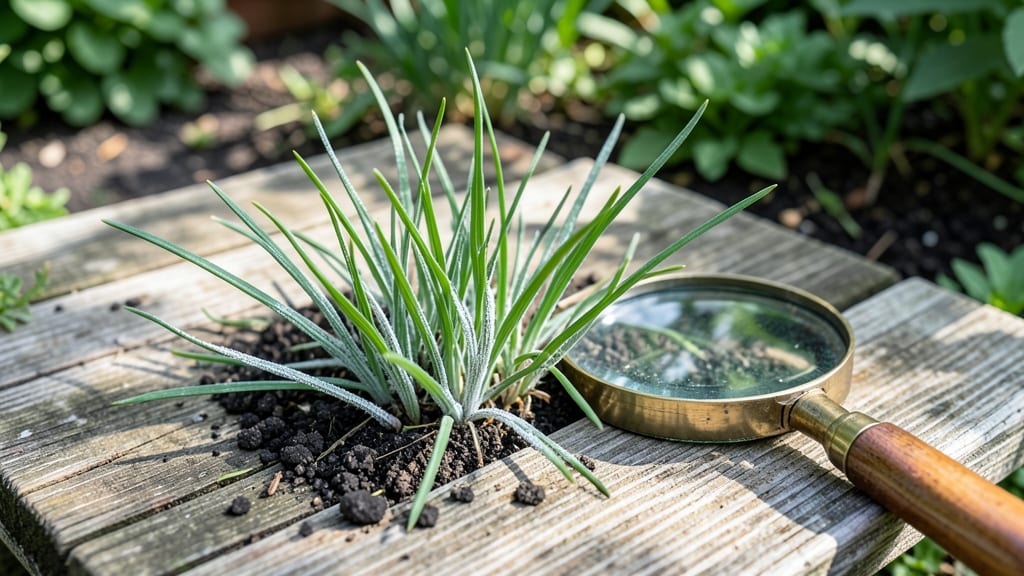
Is white mold on grass dangerous—and how can you stop it before it ruins your lawn? 🌱 I’ve seen it turn lush lawns into patchy, weak carpets, and the good news is you can stop it before it spreads.
Most cases are harmless powdery mildew, but left unchecked, it weakens roots and invites pests. The key is acting fast with the right treatment.
First, don’t panic—it’s rarely deadly, but it will spread if you ignore it. The fuzzy white growth thrives in shady, damp areas, so start by improving airflow with mowing (but not too short!) and raking up debris.
Water in the morning so leaves dry quickly, and avoid nitrogen-heavy fertilizers that encourage soft, mold-loving growth.
For stubborn patches, a simple mix of 1 tablespoon baking soda + 1 quart water + a drop of dish soap sprayed directly on the mold works wonders. Repeat weekly until it disappears. Most lawns bounce back within 2-3 weeks with consistent care—no harsh chemicals needed.
Here’s the secret weapon: prevention. Overseed thin areas, aerate compacted soil, and choose drought-tolerant grass types for your climate. My lawn hasn’t had a single case in years since I switched to a sun-loving fescue blend and stopped overwatering. Small changes make all the difference!
What Triggers White Fungus Growth
White mold on grass isn’t just an unsightly nuisance—it thrives due to a mix of environmental conditions that create the perfect breeding ground. Understanding these triggers can help you prevent outbreaks before they start. Here’s why this fungal problem pops up in your lawn.
Fungi like Sclerotinia homoeocarpa (the culprit behind white mold) love moisture—too much of it. When grass stays soggy for prolonged periods, the fungus spreads rapidly. Here’s why:
- Excessive irrigation: Watering too frequently or leaving sprinklers running overnight keeps soil saturated, creating a damp, oxygen-poor environment where fungal spores germinate.
- Compacted soil: Heavy foot traffic, machinery, or clay-heavy soil prevents water from draining, trapping moisture at the root level.
- Poor grading: If your yard slopes toward a foundation or low-lying area, water pools instead of draining away, turning patches into fungal hotspots.
Pro tip: 💡 Test your soil’s drainage by digging a 6-inch hole, filling it with water, and timing how long it takes to drain. If it’s slower than 6 hours, you’ve got a problem.
Fungal spores need two things to spread: moisture and a cozy, shaded environment. Dense, thick grass—while lush—can trap humidity and block sunlight, which fungi adore.
- Over-fertilization: Too much nitrogen promotes rapid, weak growth that shades the soil, reducing evaporation and increasing humidity at ground level.
- Thatched buildup: A thick layer of dead grass (thatch) insulates the soil, keeping it moist and warm—a fungal paradise.
- Shady areas: Grass in partial or full shade grows slower and stays damp longer, creating ideal conditions for white mold.
Actionable fix: 🌡️ Mow high (3–4 inches) to improve airflow, and dethatch if the layer exceeds ½ inch to expose soil to sunlight and air.
White mold isn’t a winter pest—it peaks in late spring to early fall when temperatures hover between 60–85°F (15–29°C) and humidity stays high. Here’s the science:
- Spores germinate faster: Warmth accelerates fungal metabolism, while humidity keeps spores from drying out.
- Evening dew: Overnight moisture lingers on grass blades, giving spores a head start in the morning.
- Rainfall + heat combo: A sudden downpour followed by sunny days creates the perfect storm for outbreaks.
Watch for: ✨ If your area has 5+ consecutive days of 70°F+ temps and 50%+ humidity, white mold is likely lurking.
A healthy lawn is resilient, but stress weakens grass, making it vulnerable to fungal attacks. Common stressors include:
- Nutrient deficiencies: Lack of potassium or phosphorus weakens cell walls, making grass an easy target.
- Drought followed by sudden watering: Rapid rehydration shocks roots, creating entry points for fungi.
- Pest damage: Grubs or chinch bugs create wounds where spores can invade.
- Improper mowing: Cutting too short (below 2 inches) exposes roots and stresses the plant.
Boost defenses: 💪 Conduct a soil test to check pH and nutrient levels, and apply a balanced fertilizer (like 10-10-10) in early spring.
By addressing these triggers—whether it’s adjusting your watering schedule, improving airflow, or strengthening your grass—you can starve white mold before it takes over. Prevention is easier (and cheaper) than cleanup!
How to Fix White Mold Safely
White mold on your lawn can feel like a nightmare, but don’t panic—there are practical ways to tackle it without harming your grass or the environment. Whether it’s caused by poor drainage, overwatering, or thick thatch, the right approach will restore your lawn’s health.
Below, we break down solutions based on the root cause, plus prevention tips to keep mold at bay for good.
If your lawn stays soggy for days after rain or watering, white mold thrives in that damp, oxygen-deprived environment. Here’s how to dry it out:
🔥 Adjust Your Watering Schedule
- Water deeply but less frequently—aim for 1–1.5 inches per week (including rain). Use a rain gauge or tuna can to measure.
- Water in the early morning (before 10 AM) to allow grass to dry by evening.
Avoid evening watering, which promotes fungal growth. - Check your sprinklers—uneven coverage can create wet spots where mold lingers. Adjust nozzles or repair clogged heads.
🏗️ Improve Soil Drainage
- Aerate compacted soil with a core aerator (rent one or hire a pro).
This creates air pockets, helping water drain faster. - Add organic matter like compost or peat moss to heavy clay soils to improve drainage naturally. - Level low spots where water pools. Use a rake or topsoil to create a gentle slope (1/4 inch per foot) away from your home.
💡 Pro Tip:
If your lawn has a thatch layer thicker than ½ inch, dethatch it in early fall. Thatch traps moisture and blocks airflow—perfect conditions for mold.
A thick thatch layer (dead grass, roots, and debris) smothers your lawn and holds moisture against the soil. Here’s how to thin it out:
🔪 Dethatch Properly
- Best time to dethatch: Early fall or late spring, when grass is actively growing.
- Use a dethatching rake (for small lawns) or a vertical mower attachment (for larger areas).
Work in one direction to avoid tearing grass. - Avoid scalping the lawn—remove only the thatch layer, not the green grass underneath.
🌱 Overseed After Dethatching
- After dethatching, overseed bare spots with a high-quality grass seed blend suited to your climate.
- Lightly rake the soil to create a seed-friendly surface, then water gently to keep seeds moist (not soggy).
🎯 Prevent Future Thatch
- Mow regularly at the right height (never remove more than ⅓ of the blade at once).
- Leave grass clippings (if they’re short) to decompose naturally—they add nutrients back to the soil.
- Avoid heavy nitrogen fertilizers in late summer, which can promote excessive growth and thick thatch.
If white mold has already taken hold, act fast to prevent it from spreading. Here’s how to remove it safely:
🧼 Apply Fungicide (When Needed)
- Spot-treat mold with a fungicide labeled for lawn fungi (e.g., propiconazole or myclobutanil). Follow the label instructions carefully.
- Best time to apply: Early morning on a dry, wind-free day.
Avoid watering for 24–48 hours after application. - For organic control, mix 1 part baking soda with 10 parts water in a spray bottle and apply lightly to affected areas (test a small spot first).
🧹 Remove Severely Infected Grass
- If mold has killed large patches of grass, dig up and dispose of the infected turf (don’t compost it—fungi can survive).
- Replace with new sod or seed, then water lightly to help roots establish.
✨ Speed Up Recovery
- Boost soil health with a low-nitrogen, high-phosphorus fertilizer (like 5-10-10) to encourage root growth.
- Avoid heavy foot traffic on treated areas until the grass fully recovers (usually 2–4 weeks).
An ounce of prevention is worth a pound of cure! Follow these tips to keep your lawn mold-free:
- 🌡️ Mow high (3–4 inches for cool-season grasses, 2–3 inches for warm-season). Taller grass shades out weeds and retains moisture better. - 💧 Water wisely—never let your lawn sit in standing water.
Fix sprinkler issues or install a French drain if needed. - 🍂 Clean up debris regularly, including fallen leaves and grass clippings, which can trap moisture. - 🌿 Test your soil every 2–3 years to ensure proper pH (ideal: 6.0–7.0 for most grasses).
Adjust with lime (to raise pH) or sulfur (to lower it) if needed. - 🔄 Rotate fertilizers—avoid overusing nitrogen in late summer, which fuels fungal growth.
With the right fixes, your lawn can bounce back healthier than ever. Start with drainage and thatch control, treat existing mold spots, and keep up with preventive care. Soon, you’ll be enjoying a lush, mold-free green space—no white patches in sight! 🌿✨
Frequently asked questions
Is white mold on grass toxic to humans or pets?
Most white mold on grass is harmless to humans and pets, but it's best to avoid direct contact. The fungus itself doesn't produce toxins dangerous to mammals, though some types (like Stachybotrys) can cause mild allergic reactions in sensitive individuals. For pets, simply remove infected patches—they won't get sick from walking on it, but it may irritate their paws if they lick them.
Can white mold spread to my vegetables or flowers?
Yes, some lawn fungi can jump to nearby plants, especially if they're stressed or waterlogged. The same conditions that create white mold on grass (high humidity, poor airflow) encourage fungal spread to gardens. Remove infected grass clumps immediately and improve drainage in garden beds to prevent cross-contamination.
How long does it take for white mold to disappear after treatment?
With proper care, most white mold patches clear up in 2-3 weeks. The timeline depends on how severe the infection is and whether you've addressed the root causes (like drainage or thatch). Organic treatments (baking soda spray) may take slightly longer than fungicides, but they're safer for pets and children.
Will raking up white mold spread it to other areas?
Only if you're not careful! Rake infected grass into a sealed bag (not your compost pile) to prevent spores from floating into the air. Wear gloves and avoid shaking the rake—this minimizes airborne spread. Clean your tools with a bleach solution (1 part bleach to 10 parts water) afterward to kill any remaining spores.
Can I still use my lawn after treating white mold?
Once you've treated the affected areas and improved drainage, your lawn will be safe for play within 48 hours of application. Just avoid heavy foot traffic on treated spots until the grass fully recovers (usually 2-4 weeks). For pets, wait until the fungicide (if used) has dried completely to prevent licking.