
Lawn
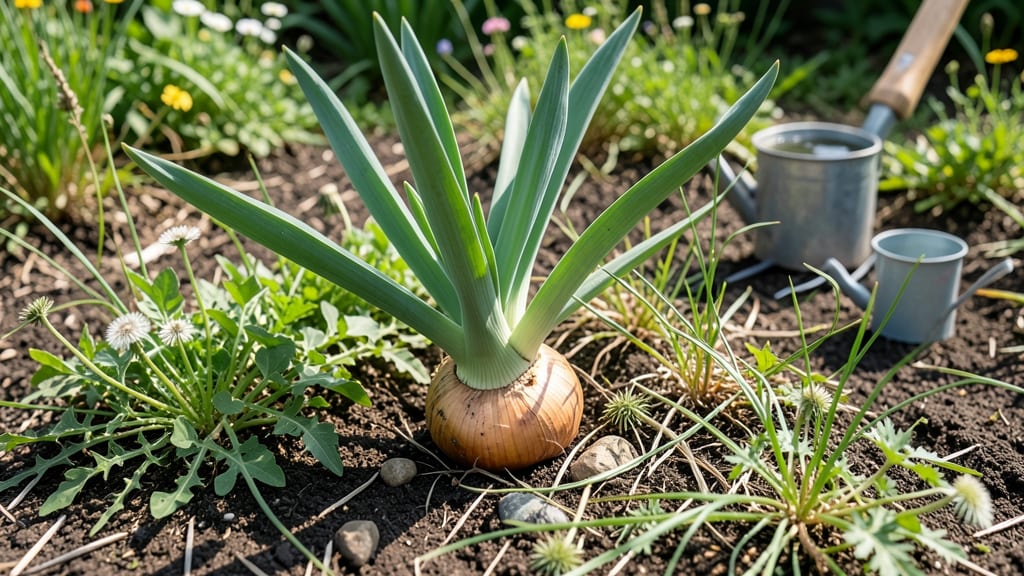
Onion grass is invasive because it spreads aggressively through underground rhizomes, creating dense mats that choke out native plants and lawn grasses. Its rapid growth and adaptability to sunny conditions make it a persistent problem in many landscapes.
This weed isn't just a nuisance—it's a landscape takeover artist. 🌱 The underground rhizomes can stretch up to 3 feet long, allowing a single plant to produce dozens of new shoots.
Unlike annual weeds that die back in winter, onion grass stays active year-round in mild climates, forming thick clumps that block sunlight from reaching your desired plants. I've seen it completely overtake vegetable gardens and flower beds within a single growing season if left unchecked.
What makes it especially tricky is how it mimics desirable grasses—its long, narrow leaves and onion-like scent fool many gardeners into thinking it's a harmless ground cover. But once established, removing it requires persistence because even small root fragments can regrow into new plants.
The good news? With the right techniques, you can regain control without resorting to harsh chemicals.
💡 In This Article
- How Onion Grass Spreads in Landscapes
- Natural Methods to Remove and Prevent Onion Grass
How onion grass spreads in landscapes
Onion grass earns its invasive reputation through an underground network called rhizomes—thick, horizontal roots that can stretch up to 3 feet from the parent plant.
These rhizomes store nutrients and water, allowing the plant to regenerate even from tiny fragments. 🌱 When you pull a single shoot, you're often leaving behind root pieces that sprout new plants within weeks. This is why many gardeners report seeing onion grass return thicker than before after attempted removal.
The plant's growth cycle accelerates in full sun, where it can produce 50-100 new shoots per season from a single rhizome system. Its leaves grow in dense clumps that block 90% of sunlight from reaching soil, smothering native grasses and flowers.
The competition is especially fierce in sandy or well-drained soils where its roots can penetrate deeply—up to 12 inches—while most lawn grasses only reach 4-6 inches. This vertical advantage gives it a head start in nutrient competition.
Seasonal patterns amplify its spread. In spring, onion grass shoots emerge 2-3 weeks earlier than many lawn grasses, establishing dominance before competitors get started. By summer, its dense mat creates a microclimate that retains moisture, giving it an edge in dry conditions.
Even in winter, the rhizomes remain dormant but viable, ready to burst back to life with the first warm rains. This year-round persistence makes it harder to control than seasonal weeds.
What most people don't realize is how it spreads beyond its original planting spot. Rhizomes can grow 1-2 inches per week under ideal conditions, meaning a single plant can colonize 3 square feet in just a month.
The plant also produces small bulbs along its rhizomes that act like mini-plants, each capable of growing into new shoots. This dual spreading method—both through roots and bulbs—makes it nearly impossible to eradicate without addressing both systems simultaneously.
Its adaptability extends to soil types. While it prefers well-drained soils, onion grass can thrive in clay or loamy soils as long as they're not waterlogged. The key factor is sunlight—it requires at least 6 hours of direct sun daily to establish strong growth.
In shaded areas, it grows more slowly but remains competitive against other shade-tolerant weeds. This flexibility explains why it's found in lawns, garden beds, and even cracks in pavement where sunlight reaches.
Consider these key factors when assessing its spread:
- Rhizome length: Can reach 3 feet from parent plant
- Shoot production: 50-100 new shoots per season from one system
- Sunlight requirement: Needs 6+ hours daily for optimal growth
- Seasonal advantage: Emerges 2-3 weeks earlier than lawn grasses
- Root depth: Penetrates 12 inches vs. 4-6 inches for most grasses
The real challenge lies in its ability to outcompete desirable plants through sheer biomass. A mature onion grass patch can produce 10-15 pounds of plant material per 100 square feet, creating a thick mat that physically blocks other plants from establishing roots.
This is why many gardeners find that even after removal, their lawns or gardens struggle to recover without proper soil preparation and alternative ground covers. 🌿