
Lawn
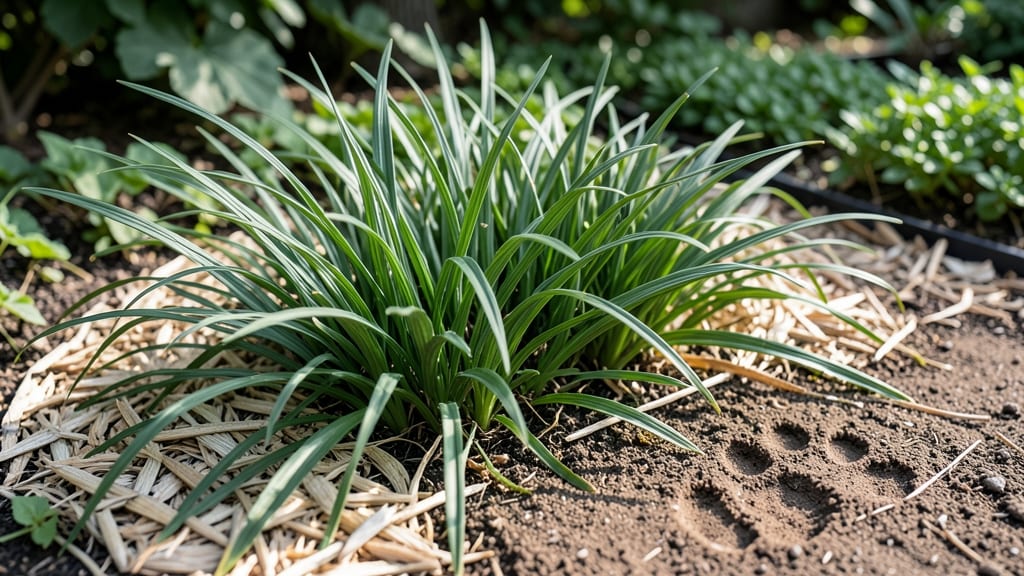
Mondo grass is non-toxic to dogs according to ASPCA and pet safety guidelines, but large amounts may cause mild stomach upset due to its fibrous texture. Always monitor pets near new plants for unusual reactions.
This popular ground cover earns its pet-friendly reputation because it lacks the toxic compounds found in many ornamental grasses. 🌱 Unlike plants containing oxalates or saponins, mondo grass (Ophiopogon japonicus) poses minimal risk when chewed in small amounts.
Veterinarians often recommend it for yards with curious pups, though individual reactions can vary based on your dog's size and sensitivity. The fibrous leaves are tough to digest, which is why most dogs avoid eating it—unless they're particularly hungry or bored.
For extra safety, consider pairing mondo grass with other dog-safe ground covers like creeping thyme or clover.
These alternatives offer similar durability while adding variety to your lawn's texture and scent. 🌿 If you notice your dog showing persistent interest in the grass, redirect their attention with chew toys or a designated digging area to prevent any potential digestive discomfort.
💡 In This Article
- Why Mondo Grass Is Safe for Canine Environments
- Pet-Friendly Ground Cover Alternatives to Mondo Grass
Why mondo grass is safe for canine environments
Mondo grass (Ophiopogon japonicus) earns its pet-friendly status because it lacks the toxic compounds found in many ornamental plants.
Unlike lilies, which contain toxic alkaloids, or foxglove, which has deadly cardiac glycosides, mondo grass contains no known toxins that harm dogs. 🌱 Its fibrous leaves are tough and unpalatable to most pets, which naturally discourages chewing.
The ASPCA and pet safety organizations classify it as non-toxic, meaning accidental nibbles won't cause poisoning—though large amounts could still irritate a dog's digestive system.
The grass's botanical safety comes from its chemical composition. It doesn't produce oxalates (found in rhubarb) or saponins (common in ivy), which can cause oral irritation or vomiting in dogs. Instead, its mild, grassy flavor and coarse texture make it unappealing for most pets.
Veterinarians often recommend mondo grass for yards with dogs because it thrives in partial shade, a common area where pets spend time. Its low-growing habit (typically 6 inches) also reduces tripping hazards for active pups.
What makes mondo grass particularly safe is its resilience. Unlike delicate flowers or soft ground covers, its dense, fibrous structure resists damage from paw traffic.
This durability means it maintains its non-toxic properties even in high-use areas. 🐾 For example, a 50-pound dog running through a mondo grass lawn won't crush the plants into toxic pulp—unlike weaker alternatives that might break down into harmful particles.
The grass's deep root system also prevents erosion, creating a stable environment for pets to explore.
However, individual reactions can vary. While mondo grass is generally safe, some dogs with sensitive stomachs might experience mild discomfort from chewing large quantities. The fibrous leaves can cause temporary bloating or loose stools, similar to how humans might react to eating too much raw celery.
To minimize risks, always supervise pets near new plantings until you're confident they won't develop habits of excessive grazing.
For extra peace of mind, consider the grass's growing conditions. Mondo grass thrives in USDA zones 6-10, making it ideal for warm climates where dogs spend more time outdoors.
In cooler regions, its winter dormancy means it won't regrow until spring, reducing the window for accidental ingestion. 🌿 The grass's evergreen nature in mild climates also means it provides year-round safety without seasonal die-back that could expose soil toxins.
If you're introducing mondo grass to your yard, start with small patches to monitor your dog's reaction. Most pets will ignore it, but some may show curiosity—especially breeds prone to chewing, like terriers or puppies.
Providing alternative chew toys can redirect this behavior while letting your lawn establish as a safe, pet-friendly space.