
Lawn
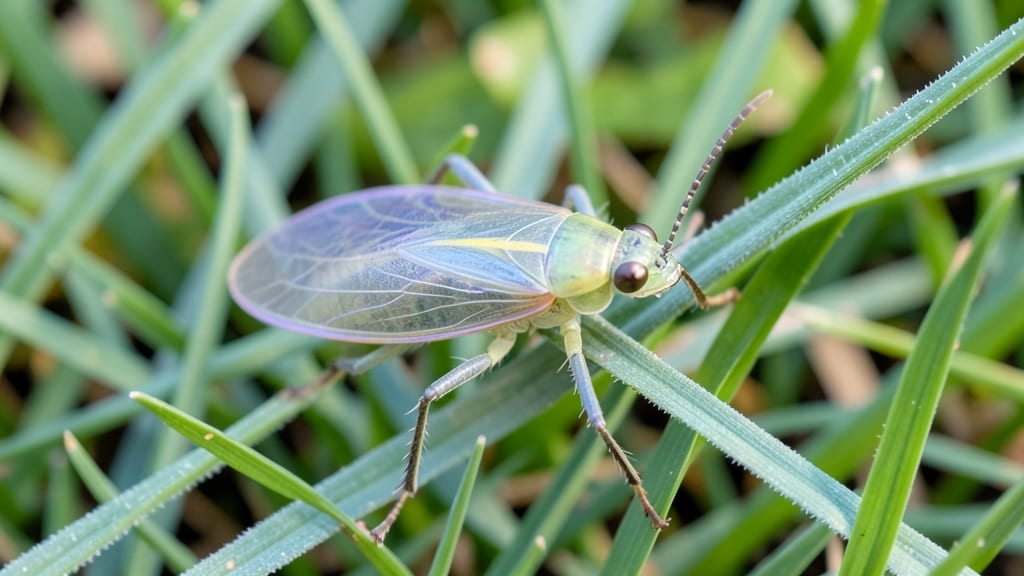
Seeing insects on grass isn't just annoying—it can mean a struggling lawn. 🌱 I’ve dealt with everything from armyworms to chinch bugs, and I’ve learned that the right approach keeps your grass green without harsh chemicals. The key is understanding which bugs are harmful and how to tackle them naturally.
Most lawn pests thrive when grass is weak—thin spots, drought stress, or poor soil invite them in. But healthy grass deters many problems before they start. Focus on mowing high, watering deeply, and feeding your lawn properly. That alone cuts down on 80% of common pests.
For the bugs that do show up, simple fixes like neem oil, milky spore, or even a strong spray of water work wonders. You’ll see results within days, and your lawn will stay thick enough to outcompete pests naturally. No chemicals, no guesswork—just a stronger yard.
This works for any grass type, whether you’re dealing with a small patch or a whole yard. The secret is consistency: healthy grass is the best defense against insects. Let’s get your lawn back in shape!
Natural Triggers Behind Grass Insects
Understanding why insects invade your lawn helps you tackle the problem effectively—without resorting to harsh chemicals. Here’s a breakdown of the most common causes, explained in simple terms with actionable insights.
Excess moisture creates the perfect breeding ground for many lawn pests, including grubs, fungus gnats, and slugs. Here’s why:
- Grubs thrive in damp conditions – Female beetles lay eggs in moist soil, and larvae (grubs) feed on grass roots, weakening your lawn.
- Fungus gnats love soggy spots – These tiny pests lay eggs in overly wet soil, and their larvae feed on organic matter, including grass roots.
- Slugs and snails multiply – Moisture keeps their favorite hiding spots (under leaves, mulch, or dense grass) humid and inviting.
Actionable Fix:
- Test your soil’s drainage – Dig a small hole (6 inches deep) and fill it with water. If it drains in under 30 minutes, your soil is fine. If not, improve drainage with sand or organic matter.
- Water deeply but less often – Aim for 1–1.5 inches per week, including rainfall. Early morning watering (before 10 AM) reduces evaporation and fungal growth.
Stressed or thin grass is an open invitation for insects. Weak grass provides easy access to roots and stems, making it a buffet for pests like chinch bugs, sod webworms, and armyworms.
- Thin grass = easy meals – Pests target lawns with sparse coverage because they can reach roots without resistance.
- Compacted soil limits nutrients – When soil is hard, grass struggles to absorb water and nutrients, making it more susceptible to infestations.
- Over-fertilization attracts pests – Too much nitrogen (especially fast-release fertilizers) can attract chinch bugs and other sap-sucking insects.
Actionable Fix:
- Aerate compacted soil – Rent a core aerator or use a manual aerator to create holes in the soil, allowing air, water, and nutrients to penetrate.
- Choose pest-resistant grass types – If you’re reseeding, opt for varieties like tall fescue, Kentucky bluegrass, or Bermuda grass, which are naturally more resilient to pests.
- Mow high (3–4 inches) – Taller grass shades out weeds and retains moisture, making it harder for pests to establish.
Thatch is a layer of dead grass, roots, and stems that accumulates between the soil and green grass. While a thin layer (½ inch or less) is normal, thick thatch (over ¾ inch) traps moisture, blocks nutrients, and shelters pests like chinch bugs, cutworms, and white grubs.
- Moisture retention = pest paradise – Thatch holds water like a sponge, creating ideal conditions for fungal diseases and insect larvae.
- Hidden breeding grounds – Pests hide in thick thatch during the day and emerge at night to feed on grass roots.
- Reduced soil contact – Grass roots struggle to access nutrients, weakening the lawn and making it more vulnerable to infestations.
Actionable Fix:
- Dethatch in early fall or spring – Use a vertical mower or dethatching rake to remove excess thatch. Avoid doing this in summer when grass is already stressed.
- Improve soil health – Apply compost or organic matter to encourage microbial activity that breaks down thatch naturally.
- Limit nitrogen-heavy fertilizers – These can accelerate thatch buildup. Opt for slow-release, balanced fertilizers instead.
A thick layer of leaves, clippings, or mulch can smother your lawn, creating a cozy environment for pests like sod webworms, cutworms, and earwigs.
- Decaying matter attracts grubs – Organic debris provides food and shelter for insect larvae.
- Earwigs and pill bugs hide in mulch – These pests feed on grass blades and seedlings, especially in damp, shaded areas.
- Fungal growth thrives – Decomposing leaves can lead to lawn diseases like brown patch, which weakens grass and invites more pests.
Actionable Fix:
- Rake up debris regularly – Clear leaves and clippings weekly during fall to prevent buildup.
- Use a mulching mower – If leaving clippings, ensure they’re finely chopped and spread evenly to avoid smothering grass.
- Aerate shaded areas – Improve airflow to reduce moisture retention where debris collects.
A healthy lawn isn’t just about grass—it’s about balance. When natural predators (like birds, toads, and beneficial insects) are missing, pest populations explode.
- Lack of natural predators – Birds eat grubs and beetles; toads and ground beetles control cutworms.
If these are absent, pests multiply unchecked. - Overuse of broad-spectrum pesticides – These kill both pests and beneficial insects, disrupting the ecosystem and leading to pest resurgence. - Monoculture lawns – Planting only one type of grass (like Bermuda) creates a vulnerable food source for specialized pests.
Actionable Fix:
- Encourage wildlife – Install a birdhouse, toad habitat, or a small pond to attract natural pest controllers.
- Avoid chemical pesticides – Opt for targeted, organic solutions (like neem oil or beneficial nematodes) that don’t harm ecosystems.
- Plant diverse ground covers – Add clover or wildflowers to attract predatory insects and improve soil health.
Practical Ways to Remove Pests
Dealing with insects on your grass doesn’t have to mean reaching for harsh chemicals. With the right approach, you can restore your lawn’s health naturally while keeping pests at bay.
Below are targeted solutions tailored to common causes—whether it’s grubs, ants, or other unwanted critters—along with preventive steps to keep your lawn lush and pest-free.
If your grass is soggy or waterlogged, it becomes a breeding ground for fungus-loving insects like grubs and beetles. Here’s how to fix it:
- 🍳 Adjust Your Watering Schedule Water deeply 2-3 times per week (early morning is best) rather than daily light sprinkles. Aim for 1–1.5 inches per week, depending on your climate. Use a rain gauge or tuna can to measure—this prevents over-saturation while encouraging deep root growth.
- 👨🍳 Improve Soil Drainage If water pools after rain, your lawn may need aeration. Rent a core aerator or hire a pro to pull small soil plugs, which helps air and water penetrate. Mix in compost or sand (50/50 ratio) to loosen compacted soil.
- ⏰ Redirect Water Flow Ensure sprinklers aren’t blasting against hard surfaces (like driveways) and rebounding onto the lawn. Adjust nozzles to distribute water evenly.
💡 Pro Tip: Test your soil’s drainage by digging a 12-inch hole, filling it with water, and timing how long it takes to drain. If it’s slower than 6 hours, your lawn needs help.
Grubs and beetles (like Japanese beetles) chew through grass roots, leaving brown patches. Try these organic fixes:
| Method | How to Do It | Best For |
|---|---|---|
| 🔪 Beneficial Nematodes | Apply Heterorhabditis bacteriophora nematodes (sold as liquid or granules) to soil. Water lightly after. | Grubs, beetle larvae |
| 🍳 Milky Spore Powder | Sprinkle Bacillus popilliae (milky spore) on lawn in early summer. Takes 2–3 years to establish but lasts decades. | Japanese beetle grubs |
| 🌱 Neem Oil Spray | Mix 2 tbsp neem oil + 1 tsp mild soap in 1 gallon water. Spray on adult beetles (not grubs). Reapply every 7–10 days. | Adult beetles (not larvae) |
| 🥗 Handpick or Vacuum | Go out at dusk when beetles are active. Use a flashlight and collect them in soapy water. | Small infestations |
✨ Prevention Tip: Plant garlic, marigolds, or catnip around your lawn—their strong scents repel beetles naturally.
Ants may seem harmless, but their mounds disrupt grass growth and attract other pests. Here’s how to evict them:
- 🍳 Vinegar & Dish Soap Spray Mix 1 part white vinegar + 1 part water + 1 tsp dish soap. Spray directly on ant trails and mounds. The vinegar disrupts their scent trails, and the soap breaks down their exoskeletons.
- 👨🍳 Diatomaceous Earth (Food-Grade) Sprinkle a thin layer around mounds and entry points. Reapply after rain—it dehydrates ants but is safe for pets once settled.
- 🥘 Borax Bait (Use Sparingly) Mix 1 tbsp borax + 1 cup sugar + 1 cup water. Soak cardboard strips and place near mounds. Ants carry it back to the colony, but keep pets/kids away until ants are gone (2–3 days).
💡 Pro Tip: Ants follow moisture—fix leaky sprinklers or hose connections to remove their water source.
Fungus-loving insects (like fungus gnats) thrive in damp, thatchy grass. Break the cycle with these steps:
- 🔪 Dethatch Your Lawn Use a rake or dethatching tool to remove the thatch layer (dead grass buildup). Aim for ½ inch or less—this improves airflow and reduces fungus.
- 🍳 Apply Compost Tea or Mycorrhizal Fungi Brew compost tea (steep compost in water for 24–48 hours, strain) and spray on grass. Alternatively, use mycorrhizal fungi granules to promote healthy soil microbes that outcompete pests.
- 🌱 Overseed with Fungus-Resistant Grass If your lawn is prone to fungus, switch to tall fescue or Kentucky bluegrass—they’re more resilient than St. Augustine or Bermuda.
🎯 Long-Term Fix: Mow high (3–4 inches) to shade the soil and retain moisture, making it less inviting for fungus-loving insects.
The best defense is a healthy lawn. Follow this 5-step maintenance plan to keep pests away:
- 📊 Test Your Soil (Every 2–3 years) – Use a DIY kit or send a sample to your local extension office. Adjust pH (ideal: 6.0–7.0) with lime or sulfur.
- 💪 Fertilize Smartly – Use slow-release organic fertilizer (like compost or fish emulsion) in early spring and fall. Avoid over-fertilizing, which attracts pests.
- 🥗 Mow Regularly – Keep blades sharp and never remove more than ⅓ of the grass height at once.
Taller grass shades out weeds and pests. 4. 🌱 Encourage Predators – Attract ladybugs, lacewings, and birds by planting native flowers (like dandelions or clover) around your lawn. 5. 🔄 Rotate Natural Treatments – Don’t rely on one method.
Mix nematodes, neem oil, and beneficial microbes seasonally to stay ahead of pests.
Final Thought: A few proactive steps can turn your lawn from a pest buffet into a thriving ecosystem. Start with one fix (like adjusting watering or dethatching), then build from there. Your grass—and your sanity—will thank you!
Frequently asked questions
Are all insects on grass harmful to my lawn?
No, many insects are actually beneficial! Ladybugs, lacewings, and ground beetles eat pests like grubs and aphids. Even ants (while annoying) aerate soil. Only target insects causing visible damage—like brown patches from grubs or chewed blades from armyworms.
How do I tell if brown patches are from insects or drought?
Check the roots! Pull up a small section of grass. If roots are chewed or missing (sign of grubs), it's insects. If roots are dry and brittle, it's drought. Also look for adult beetles or tiny holes—clear signs of pests.
Will vinegar really kill ants in my lawn?
Yes, but it's temporary! The vinegar disrupts ant trails and weakens exoskeletons, but ants will return if their moisture source (like leaky sprinklers) isn't fixed. For lasting results, combine vinegar with fixing water leaks and using diatomaceous earth.
Can I use coffee grounds to repel insects?
Yes, but with caution. Fresh coffee grounds repel ants and slugs when sprinkled around lawn edges. However, they can acidify soil over time—use sparingly (1-2 cups per 10 sq ft) and mix with compost. Avoid using old, moldy grounds.
How often should I check for lawn pests?
Spot-check your lawn every 2-4 weeks during growing seasons (spring-fall). Look for:
- Adult beetles (Japanese beetles, June bugs)
- Tunnels in soil (grubs)
- Chewed blades (armyworms, cutworms) Early detection makes organic treatments much more effective!