
How To
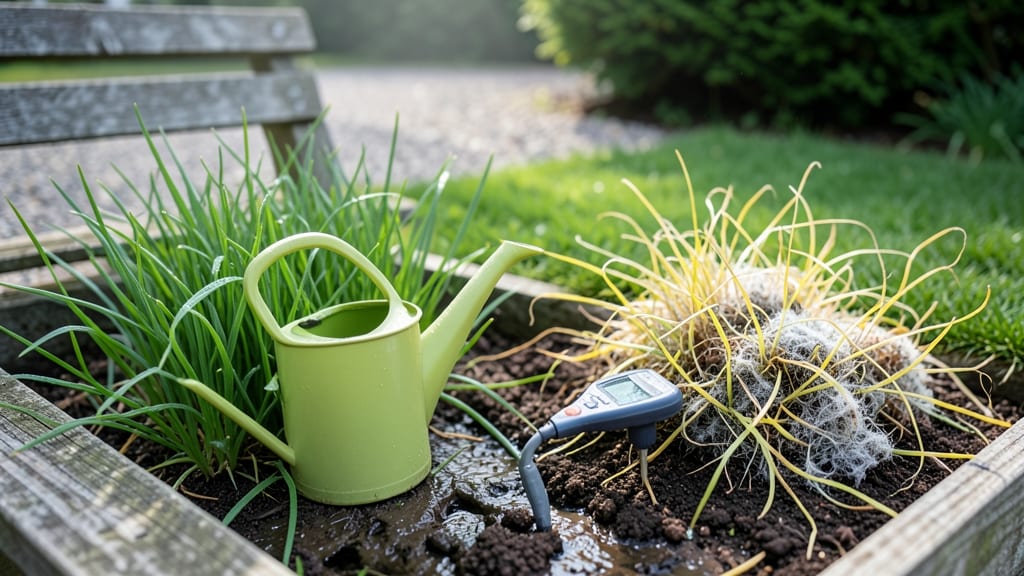
Here’s how to tell if grass is overwatered—your lawn might be drowning when it looks more like a swamp than a lawn. 🌱 Overwatering creates yellow spots, mushy roots, and that telltale musty smell—signs your lawn is suffocating, not thriving.
I’ve seen this happen after just three days of heavy watering, and the damage spreads fast if you don’t act. The first clue is spongy grass that springs back slowly when stepped on—like walking on a waterlogged mattress.
Then come the grayish-yellow patches where fungus thrives, and roots that pull apart like wet paper towels. Even worse? Overwatering wastes thousands of gallons of water yearly while choking out your grass’s roots. Fix it by watering deeply but less often—aim for 1-1.5 inches per week, including rain.
Aerate compacted soil to improve drainage, and mow higher (3-4 inches) to shade roots. Within two weeks, you’ll see firmer grass and fewer soggy spots. Prevention is easier than cleanup: check soil moisture before watering (stick your finger in—if it’s damp, wait).
A simple rain gauge or moisture meter saves time, money, and your lawn’s life. Trust me, your grass will thank you.
Why Grass Gets Too Wet
Overwatering isn’t just about turning on the sprinklers too long—it’s a sneaky mix of human habits, soil science, and even weather quirks. Understanding the real reasons behind soggy lawns helps you fix the problem before your grass turns into a swamp.
Let’s break down the top culprits, backed by science and practical insights.
If your lawn feels like a muddy boot after rain, blame compacted soil or clay-heavy dirt. These soils repel water instead of absorbing it, creating puddles and waterlogged zones. Even "well-draining" soil can fail if:
- 🔬 Soil composition is off: Sandy soil drains fast, but clay holds water like a sponge. Test your soil’s texture—if it forms a tight ball when wet, drainage is likely poor.
- 🏗️ Lack of aeration: Dense turf blocks water flow. Core aeration (removing small soil plugs) can create channels for water to escape.
- 🚧 Grading issues: If your yard slopes toward the house or driveway, water pools instead of draining away. Fix it with a slight grade (1–2% slope) or French drains.
Pro Tip: 💡 Amend clay soil with organic matter (compost or peat moss) to improve drainage over time.
Most homeowners guess their lawn’s thirst—then overestimate. Here’s why schedules go awry:
- 📅 Ignoring weather: Watering on a rigid schedule (e.g., every Tuesday at 8 AM) doesn’t account for rain. 1 inch of rain per week is the rule, but 0.5–1 inch per watering session (2–3 times weekly) prevents runoff.
- 🌱 Misjudging grass type: Cool-season grasses (like Kentucky bluegrass) need 1–1.5 inches weekly, while drought-tolerant Bermuda grass thrives on 0.5 inches every 5–7 days. Check your grass type before setting timers!
- 💧 Sprinkler inefficiency: Misaligned heads or slow flow rates mean water pools instead of soaking in. Test your system: Place a tuna can in the lawn—if it fills unevenly, adjust sprinklers.
Pro Tip: ⏰ Water deeply but infrequently (early morning, 4–8 AM) to encourage deep root growth and reduce surface puddles.
Thatch—a layer of dead grass, roots, and debris—should be ½ inch thick max. When it thickens (over ¾ inch), it acts like a waterproof blanket, suffocating roots and trapping excess moisture. Causes include:
- 🪓 Frequent mowing: Cutting grass too short (below 2–3 inches) stresses the plant, increasing thatch production.
- 🌱 Heavy nitrogen fertilizer: Over-fertilizing promotes rapid top growth but weakens root systems, leaving more debris.
- 🍂 Lack of dethatching: Skipping this spring/fall chore lets thatch accumulate. Use a vertical mower or rake to remove it.
Pro Tip: ✨ Mow high (3–4 inches) and dethatch annually to prevent thatch from becoming a moisture trap.
Even the best-maintained lawns can drown if Mother Nature throws a curveball:
- 🌧️ Heavy or frequent rain: If your area gets 2+ inches of rain in 24 hours, soil can’t absorb it fast enough. Temporary fix: Aerate or use a soaker hose to redirect water.
- 🌡️ Cool, humid climates: Grass grows slower in 50–60°F temps, so roots can’t keep up with water intake. Reduce watering by 20–30% in these conditions.
- 🏗️ Poor site selection: Planting grass in low-lying areas or near foundations encourages water pooling. Solution: Choose drought-resistant ground covers or raised beds for problem zones.
Pro Tip: 🌡️ Monitor soil moisture with a moisture meter—if it’s damp 1–2 inches below the surface, hold off on watering.
Overwatering often stems from well-meaning but misinformed habits. Once you identify the root cause—whether it’s soil, schedule, or weather—you can adjust your approach and give your lawn the just-right amount of hydration. 💦
How to Fix Overwatered Grass
Overwatering can turn your lush lawn into a soggy mess, but don’t worry—there’s hope! The key is to act fast, adjust your watering habits, and give your grass room to breathe.
Below, we’ll break down practical fixes for the most common signs of overwatered grass, along with prevention tips to keep your lawn healthy long-term.
If your grass has yellow or brown patches that feel spongy underfoot, it’s likely suffering from root rot or fungal issues caused by excess moisture.
🔧 Step-by-Step Recovery
- Stop Watering Immediately 💧
- Let the soil dry out completely before watering again. Overwatering worsens root damage.
- Aerate the Lawn 🪓
- Rent or buy a core aerator to pull small soil plugs (about 3 inches deep). This helps oxygen reach the roots and speeds up recovery.
- Pro Tip: Do this on a dry, sunny day—wet soil compacts easily and makes aeration less effective.
- Improve Drainage 🚿
- If your yard has low spots, add a thin layer of sand or compost to help water drain away.
- For clay-heavy soil, mix in organic matter (like peat moss or coconut coir) to break up compaction.
- Fertilize Lightly 🌿
- Once the soil is dry, apply a low-nitrogen, high-potassium fertilizer (like 5-10-10) to strengthen roots and reduce stress.
- Avoid heavy nitrogen—it encourages leafy growth but weakens roots further.
- Mow Higher ✂️
- Set your mower to 3–4 inches to shade the soil and retain moisture (but not too much). Taller grass also outcompetes weeds.
If your grass feels squishy when walked on or you spot mushrooms or mold, fungal growth is likely thriving in the damp conditions.
🧼 How to Clean Up & Prevent Fungus
- Remove Affected Grass 🗑️
- Cut out severely damaged patches (about 6 inches deep) and dispose of them. Fungal spores spread easily!
- Apply a Fungicide 🍄
- Use a copper-based or phosphite fungicide (like BioAdvanced Fungus Control) to kill existing spores.
- Pro Tip: Water lightly after applying fungicide to help it absorb—but don’t drown the lawn.
- Boost Soil Health 🌱
- Spread compost or a mycorrhizal fungus (like RootGrow) to balance soil microbes and improve resistance to disease.
- Water Deeply but Infrequently 💦
- Switch to deep, infrequent watering (1–1.5 inches per week, including rain). This encourages deep root growth and reduces surface moisture.
Most overwatering happens because of poor habits—like daily light watering or ignoring weather conditions.
⏰ Smart Watering Rules
- Water Early in the Morning ☀️ (4–8 AM) to reduce evaporation and fungal risk.
- Check Soil Moisture 🌡️ – Stick your finger 1–2 inches deep; if it’s damp, wait to water.
- Use a Rain Gauge or Tune App 📱 – Many cities provide smart watering schedules based on local conditions.
- Upgrade to a Smart Sprinkler 💧 – Systems like Rachio adjust watering based on weather forecasts.
Prevent future overwatering with these simple habits:
✅ Test Your Soil 📊 – A soil test kit (from garden centers) helps determine if your lawn needs more sand, compost, or organic matter.
✅ Install a Drainage System 🚧 – If your yard floods easily, consider French drains or swales (shallow trenches) to redirect water.
✅ Choose Drought-Tolerant Grass 🌾 – If you struggle with watering, switch to tall fescue, Bermuda, or zoysia grass, which handle moisture better.
✅ Mulch Properly 🍂 – A 2–3 inch layer of mulch (like wood chips) around garden beds retains moisture without suffocating grass.
| Problem | Solution | Prevention |
|---|---|---|
| Yellow/brown patches | Aerate + reduce watering | Mow high + improve drainage |
| Mushy roots/fungus | Fungicide + remove affected grass | Water deeply, not often |
| Compaction | Core aeration + organic matter | Avoid heavy foot traffic |
| Poor drainage | Sand/compost top dressing | Install drainage solutions |
Remember: Grass is tougher than you think—with the right adjustments, it’ll bounce back in 2–4 weeks. The key is patience, proper drainage, and smart watering. Once you fix the habits causing overwatering, your lawn will thank you with vibrant green growth all season long! 🌿✨
Frequently asked questions
Why does my grass turn yellow after heavy watering?
Yellow patches after overwatering signal root suffocation from too much moisture. Excess water blocks oxygen, causing roots to rot and blades to turn grayish-yellow. This often happens within 3-5 days of continuous soggy conditions. The key fix? Stop watering immediately and aerate to restore airflow.
Can I still save my lawn if mushrooms appear?
Yes, but act fast! Mushrooms indicate severe fungal growth from overwatering. Remove affected grass patches, apply a copper-based fungicide, and improve drainage. With proper care, your lawn can recover in 2-4 weeks—just avoid watering until the soil dries completely.
How often should I water my grass to prevent overwatering?
Water deeply 2-3 times per week (early morning) for 1-1.5 inches total, including rain. Most sprinklers run too long—test yours by placing a tuna can in the lawn. Adjust until you reach the right amount. Remember: deep roots = drought resistance.
What's the best way to test if my soil is waterlogged?
Use the finger test: Stick your finger 1-2 inches deep into the soil. If it feels damp or cool, hold off on watering. For clay soil, press a handful—if it forms a tight ball, drainage is poor. A moisture meter ($20 at garden stores) gives precise readings.
Will overwatering kill my grass permanently?
Not always! Grass is resilient, but chronic overwatering weakens roots and invites fungus. If you catch it early (yellowing, spongy feel), recovery is possible. However, persistent waterlogging for weeks can kill roots permanently. The good news? Most lawns bounce back within 2-4 weeks with proper care.