
Lawn
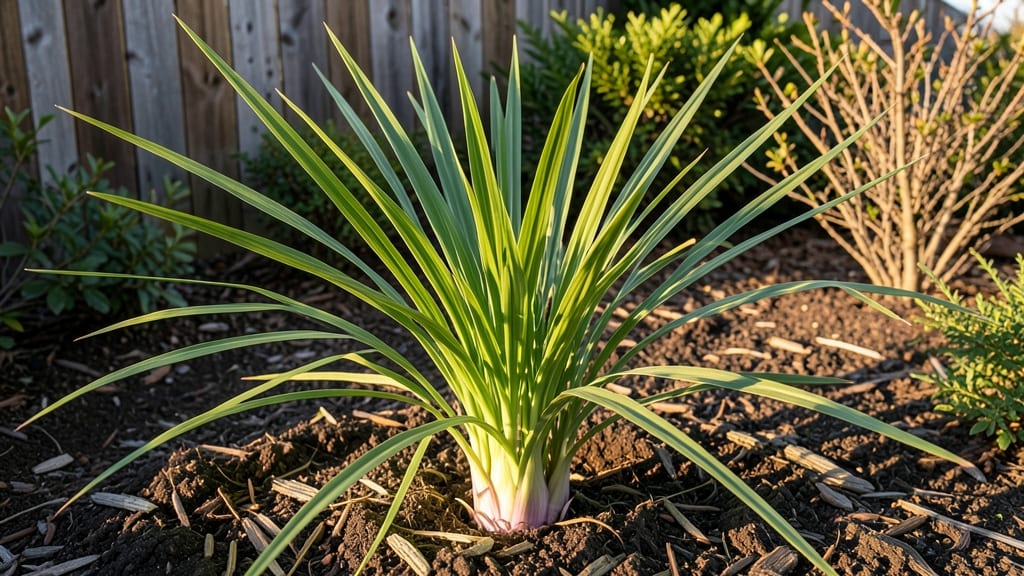
Taking care of lemon grass transforms your kitchen into a fragrant herb garden. 🌿 The secret to keeping it thriving lies in mimicking its tropical roots—warmth, moisture, and bright light—whether you grow it indoors or outdoors.
My first batch nearly died from overwatering, but once I dialed in the care, it became my go-to for homemade teas and stir-fries.
Start with well-draining soil and a pot with drainage holes if growing indoors, or plant directly in the ground where it gets at least 6 hours of sunlight daily. Water consistently to keep the soil moist but never soggy—lemon grass hates wet feet.
A 3-4 inch layer of mulch helps retain moisture and keeps roots cool, especially in hot climates.
You’ll know you’re doing it right when you see those signature bright green, grass-like stalks shooting up. Prune regularly to encourage bushier growth, and harvest the lower stems when they’re 12-18 inches tall.
The best part? A single plant can produce enough for months, and it multiplies easily by dividing the clumps.
Even in winter, lemon grass stays productive if you protect it from frost. Move potted plants indoors near a sunny window or grow lights, and reduce watering slightly. With these simple steps, you’ll never need to buy it again—just snip, use, and enjoy the fresh, citrusy aroma.
📚 In This Guide
- What you need
- Instructions
- Tips and common mistakes
- Wrapping up and next steps
What you need
- ● Lemon grass plants: 2–5 healthy clumps (choose organic or disease-free starts for best results).
- ● Well-draining potting mix: 5–10 gallons (opt for a blend with perlite or sand for aeration).
- ● Containers or garden bed: Containers: 1–2 large pots (12+ inches deep) with drainage holes.
- ● Garden bed: Full sun to partial shade, 6+ hours of sunlight daily.
- ● Watering can or hose: With a gentle spray nozzle for even moisture.
- ● Fertilizer: Balanced liquid fertilizer (10-10-10) or organic options like compost tea.
- ● Pruning shears: Sharp, clean pair for trimming.
- ○ Mulch (optional but recommended): 1–2 inches of straw or wood chips to retain moisture.
- ● pH test kit (ideal range: 6.0–7.0).
- ● Slow-release fertilizer pellets for convenience.
- ● Shade cloth (30–50%) for hot climates.
- ● Lemon grass companion plants (e.g., mint or basil) for pest control.
Step-by-step instructions for growing and maintaining lemon grass
Lemon grass thrives with consistent warmth and moisture—here’s how to keep it lush all year.
🪴 Step 1: Choose the Right Location and Pot
Lemon grass demands warmth and humidity, so place it in a spot receiving full sun to partial shade (at least 4-6 hours of direct sunlight daily). A south-facing window or balcony works best, but avoid harsh afternoon sun in hot climates. If growing outdoors in cooler zones, move pots indoors before temperatures dip below 50°F—lemon grass is tropical and won’t survive frost.
Use a pot with drainage holes at least 12 inches deep—roots need space to establish. I prefer terracotta because it breathes, but any container with good drainage works. Fill the bottom with 1-2 inches of coarse gravel or perlite to improve airflow and prevent root rot. Lemon grass hates soggy roots, so drainage is non-negotiable.
🌱 Step 2: Plant and Establish the Clump
Plant lemon grass in well-draining, slightly acidic soil with a pH of 5.5-7.5. A mix of 50% potting soil, 30% perlite, and 20% compost works perfectly. Dig a hole deep enough to bury the base of the plant’s stem by 1-2 inches—this encourages root growth. Gently spread the roots outward before covering with soil.
Water thoroughly after planting until water drains from the bottom. Lemon grass loves moisture but despises waterlogged conditions. Let the top 1-2 inches of soil dry slightly between waterings—you’ll know it’s ready when the soil feels slightly dry to the touch. Avoid getting water on the leaves to prevent fungal issues.
☀️ Step 3: Maintain Consistent Light and Humidity
Lemon grass grows best with bright, indirect light—think filtered sun through sheer curtains. If leaves start turning yellow or stretching toward the light, it’s a sign your plant needs more brightness. Rotate the pot quarter-turn weekly to ensure even growth. In winter, supplement with a grow light 8-12 inches away for 12-14 hours daily.
Humidity is key—lemon grass thrives in environments with 60-70% humidity. If your home is dry, mist the leaves lightly daily or place the pot on a tray filled with pebbles and water. You’ll notice new growth within 4-6 weeks if conditions are ideal. Watch for brown tips, which signal low humidity or overwatering.
💧 Step 4: Water and Fertilize for Optimal Growth
Water lemon grass when the top 1-2 inches of soil feel dry, typically 2-3 times weekly in warm weather and once weekly in cooler months. Stick your finger into the soil—if it’s damp past your first knuckle, wait another day. Overwatering is the fastest way to kill lemon grass, so err on the side of underwatering.
Feed your plant every 4-6 weeks during the growing season (spring through fall) with a balanced liquid fertilizer (10-10-10). Dilute to half-strength to avoid burning the roots. I skip fertilizer in winter when growth slows. Yellow leaves often mean over-fertilizing—rinse the soil gently if this happens.
✂️ Step 5: Harvest and Prune for Year-Round Productivity
Harvest lemon grass when the stalks reach 12-18 inches tall—this is when the flavor is strongest. Cut the outer stalks 2-3 inches above the base, leaving the inner shoots to regrow. You’ll get 3-4 harvests per year from a single plant if pruned correctly. Never cut more than 1/3 of the plant at once, or you’ll stunt its growth.
Prune dead or yellowing leaves immediately to redirect energy to healthy growth. In late winter, trim back any leggy or sparse growth to encourage fresh, bushier regrowth. Lemon grass is forgiving—even if you wait too long to harvest, it’ll bounce back with proper care. Store harvested stalks in the fridge for up to 2 weeks or freeze them for longer storage.
Tips & tricks for perfect lemon grass care
Between us, lemon grass is one of those plants that either thrives with minimal fuss or wilts dramatically if you miss a few key details. Here’s what I’ve learned after watching mine go from sad to spectacular.
Location and Pot Selection: That 4-6 hours of sunlight is non-negotiable—lemon grass is tropical and won’t tolerate cool drafts or harsh afternoon sun. I’ve found that placing my pot on a wheeled plant stand lets me move it to follow the sun’s arc throughout the day. And if you’re using a terracotta pot (which I recommend for airflow), make sure it’s at least 12 inches deep—shallow pots will stunt those long roots.
Soil Mix Matters: The 50-30-20 soil blend (potting soil, perlite, compost) is your secret weapon for drainage and nutrients. I’ve seen people use straight garden soil and watch their lemon grass develop root rot within weeks. Pro tip: If you’re repotting, mix in a handful of worm castings—they’ll give your plant a gentle nutrient boost without overloading it.
Humidity Hacks: That 60-70% humidity range is crucial, and if your home is dry, you’ll know it when the tips start browning. My go-to solution is a pebble tray with water under the pot—it adds moisture without drowning the roots. For extra insurance, I run a humidifier nearby during winter months when indoor air gets parched. You’ll notice new growth within those 4-6 weeks if you nail the humidity.
Harvesting Strategy: Those 12-18 inch stalks are your goldmine, but here’s the thing—if you cut too aggressively, you’ll shock the plant. I harvest just the outer stalks, leaving the inner shoots to regrow. Think of it like trimming your hair: you wouldn’t shave your head bald, right? Also, the 2-3 inches above the base is perfect—any lower and you’ll damage the regrowth potential.
Pro Tips for Take Care Of Lemon Grass
- Between us, lemon grass is one of those plants that either thrives with minimal fuss or wilts dramatically if you miss a few key details.
- Location and Pot Selection: That 4-6 hours of sunlight is non-negotiable—lemon grass is tropical and won’t tolerate cool drafts or harsh afternoon sun.
- Soil Mix Matters: The 50-30-20 soil blend (potting soil, perlite, compost) is your secret weapon for drainage and nutrients.
Frequently asked questions
Got questions about keeping your lemon grass thriving? Here are some of the most common ones—and their easy answers!
How often should I water lemon grass?
Water your lemon grass 2–3 times per week (or daily in hot climates) to keep the soil consistently moist but not soggy. Overwatering can rot the roots, while underwatering causes the stalks to dry out. Stick your finger 1 inch into the soil—if it’s dry, it’s time to water!
Can lemon grass survive winter?
In cold climates (below 20°F/-7°C), lemon grass is not frost-tolerant. If you live in a chilly zone, grow it in containers and move them indoors or to a garage before winter. Alternatively, harvest the stalks before frost hits and replant in spring!
What can I do if my lemon grass turns yellow?
Yellowing leaves usually mean overwatering, poor drainage, or nutrient deficiency. First, check the soil—if it’s soggy, let it dry out. If the roots look mushy, trim the damaged parts and repot in fresh, well-draining soil. A balanced fertilizer every 2–3 months can also help!
Can I grow lemon grass indoors?
Yes! Lemon grass thrives indoors with bright, indirect light (like a sunny windowsill). Use a 6-inch pot with drainage holes, keep the soil moist, and rotate the plant occasionally for even growth. Just avoid drafts—lemon grass hates cold air!
How do I propagate lemon grass?
Propagating is easy! Cut a healthy stalk at the base, trim the bottom leaves, and place it in 1–2 inches of water in a sunny spot. Roots should sprout in 2–3 weeks. Once rooted, transplant it into soil. You can also divide mature clumps in spring for faster growth!
Wrapping up and next steps
Caring for lemon grass is simpler than you think—and the rewards are worth it! 🌿 With the right soil, sunlight, and a little patience, you’ll enjoy fresh, fragrant stalks year-round for cooking, teas, and natural remedies.
Start small, experiment with your garden setup, and don’t hesitate to share your harvest with friends or freeze extras for later.
Ready to level up your green thumb? Grab those clumps, get planting, and watch your lemon grass thrive—then treat yourself to a homemade lemon grass-infused dish as your first celebration! 🍋✨