
Container Gardens
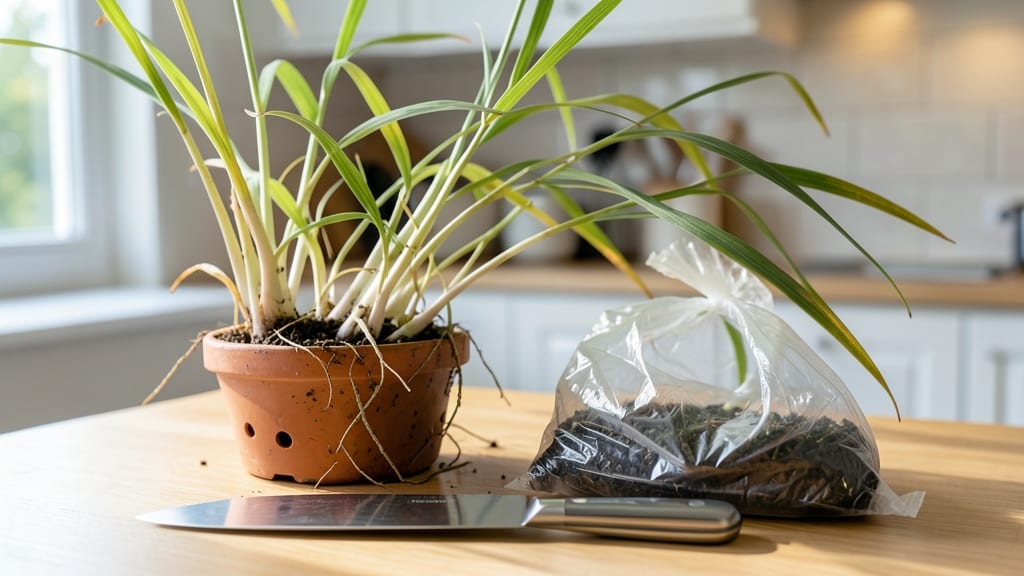
Storing fresh lemongrass properly means you’ll have vibrant stems ready for curries, teas, or soups for up to 3 weeks—no sad, wilted stalks in sight. 🌿 I’ve thrown out more lemongrass than I’d like to admit because I didn’t know the right way to preserve it.
The secret? Keeping it hydrated, cool, and protected from light does the trick every time. For whole stalks, trim the bottoms clean and wrap them tightly in a damp paper towel before sealing in a plastic bag.
If you’ve already chopped it, store it in an airtight container with a splash of water—think of it like a mini bouquet. The key is preventing moisture loss, which turns lemongrass rubbery faster than you can say "Thai basil."
You’ll know it’s still good when the stems snap crisply (not bendy) and the aroma hits you like a fresh breeze when you open the fridge.
Freezing works too—just slice the stalks, wrap them in foil, and they’ll last 6+ months for whenever you crave that bright citrusy punch in your cooking.
This method works for both garden-fresh and store-bought lemongrass, whether you’re growing it in pots or picked it up at the market. The only real mistake? Waiting too long to store it—lemongrass starts losing potency within 24 hours if left out.
Keep it in the crisper drawer for the longest shelf life, and you’ll never waste another stalk again.
📚 In This Guide
- What you need
- Instructions
- Tips and common mistakes
- Wrapping up and next steps
What you need
- ● Fresh lemongrass stalks – Whole, untrimmed stalks (3–5 stalks for small batches, 10+ for bulk storage). Choose firm, pale yellow stalks with tight leaves.
- ● Plastic wrap or aluminum foil – Enough to wrap 1–2 stalks snugly (standard kitchen sizes work).
- ● Paper towels or clean kitchen towel – A single sheet per stalk to absorb moisture.
- ● Zip-top plastic bag (gallon or quart size) – For airtight storage. Puncture a few holes if storing in the fridge.
- ● Sharp knife or kitchen shears – For trimming ends (if needed).
- ● Refrigerator or freezer – A standard fridge (35–40°F) or freezer (-4°F or below) for long-term storage.
- ● Vacuum sealer – Extends shelf life to months by removing air.
- ● Glass jar or airtight container – For fridge storage (place stalks upright with a damp paper towel).
- ● Lemon or lime wedges – Add 1–2 to the bag to preserve freshness and boost flavor.
- ● Rubber band or twist tie – To secure wrapped stalks before bagging.
- ● Food-safe marker – Label bags with the date for easy tracking.
Step-by-Step guide to storing fresh lemongrass
Here’s how to preserve that bright citrus aroma and crisp texture for weeks—no wilting or bitterness.
🪴 Step 1: Trim and Prep the Stalks
Start by cutting the lemongrass stalks into 3-4 inch sections (about 4-5 stalks per bunch). Use a sharp knife to slice just above a node where the leaves emerge—this prevents waterlogging at the base. I like to peel away the tough outer leaves from the bottom 1-2 inches to expose the tender inner stalk. This step is key because exposed nodes absorb moisture better and stay fresher longer.
Rinse the stalks under cool water to remove any dirt or debris, then pat them dry with a clean kitchen towel or paper towels. Dampness speeds up spoilage, so thorough drying here saves time later. You’ll notice the stalks feel slightly springy when dry—this is your cue they’re ready for storage.
💧 Step 2: Store in Airtight Containers
Place the trimmed stalks upright in an airtight container (like a glass jar or sealed plastic bag). I use a quart-sized mason jar for a small bunch—just enough space so the stalks don’t bend or touch each other. Fill the container with 1-2 inches of water (enough to cover the bottom ½ inch of the stalks). The water keeps the cut ends hydrated without drowning them.
Seal the container loosely at first—lemongrass releases ethylene gas, which can make it spoil faster if trapped. Instead, cover it with a paper towel before sealing to absorb excess moisture. Store it in the crispest part of your fridge (usually the main compartment, not the door). This method keeps lemongrass fresh for 2-3 weeks—far longer than the wilting you’d get in a vase.
⏰ Step 3: Extend Freshness with Freezing
For longer storage, freeze the lemongrass in 1-inch chunks. Place the trimmed stalks in a single layer on a baking sheet lined with parchment paper, then freeze for 1-2 hours until solid. This prevents them from sticking together. Once frozen, transfer the chunks to a freezer bag or airtight container. Label it with the date—frozen lemongrass stays vibrant for up to 6 months.
When ready to use, thaw the frozen lemongrass in the fridge overnight or under cold water. The texture softens slightly but still works perfectly in soups, teas, or marinades. I’ve found that frozen lemongrass holds its flavor better than dried—no bitter aftertaste, just that bright citrus punch.
☀️ Step 4: Revive Wilted Lemongrass
If your lemongrass starts to wilt but isn’t moldy, you can often revive it. Trim ½ inch off the base of the stalks, then place them in a fresh ½ inch of water in a clean jar. Cover loosely with a plastic bag (poke a few holes for airflow) and let it sit in indirect light for 4-6 hours. You’ll see the stalks perk up as they rehydrate—this works best if the stalks haven’t turned slimy or discolored.
Real talk: If the stalks smell sour or feel mushy, it’s time to compost them. Fresh lemongrass should smell sweetly citrusy and feel crisp to the touch. Don’t risk using stale stalks—they’ll ruin your dish faster than you can say “curry catastrophe.”
Tips & tricks for perfect lemongrass preservation
Between us, these little tricks will keep your lemongrass tasting fresh and vibrant for weeks—no sad, wilted stalks in sight.
Cutting for Success: When you're slicing those 3-4 inch sections in Step 1, aim to make the cuts just above the nodes (those little leafy bits). This is where the stalk absorbs moisture best, and it's the secret to keeping them crisp. I've found that using a sharp knife makes all the difference—dull blades crush the fibers, which speeds up spoilage. Also, don't skip peeling those tough outer leaves from the bottom 1-2 inches—they're like little moisture sponges that'll turn your lemongrass into a soggy mess.
The Water Level Matters: In Step 2, that ½ inch of water covering the bottom of the stalks is crucial. Too much water (more than 1-2 inches total) can drown the stalks, while too little won't hydrate them properly. I've ruined batches by being too generous with water—just remember, the stalks should stand upright with their bases barely touching the water. And that paper towel covering before sealing? It's not optional—it absorbs excess moisture that would otherwise make your lemongrass soggy.
Freezing Like a Pro: For the 1-2 hour freezing prep in Step 3, don't stack the lemongrass chunks—they'll stick together like glue. Spread them out in a single layer on that parchment paper, and give them space. Once frozen solid, transfer them to your freezer bag, but here's a pro move: squeeze out as much air as possible before sealing. Air causes freezer burn, which dulls that bright citrus flavor we're trying to preserve. Trust me on this—your future curries will thank you.
Reviving Tricks: When you're trying to revive wilted lemongrass in Step 4, that ½ inch of fresh water is your lifeline. But here's what nobody tells you—if your lemongrass has turned slimy or smells off, don't waste your time. That's your cue to compost it. Fresh lemongrass should smell like sunshine and citrus, not like a swamp. And that indirect light? It's not just any light—it's about gentle rehydration, not cooking the stalks.
Pro Tips for Store Fresh Lemongrass
- Between us, these little tricks will keep your lemongrass tasting fresh and vibrant for weeks—no sad, wilted stalks in sight.
- Cutting for Success: When you're slicing those 3-4 inch sections in Step 1, aim to make the cuts just above the nodes (those little leafy bits).
- The Water Level Matters: In Step 2, that ½ inch of water covering the bottom of the stalks is crucial.
Frequently asked questions
How long can I store fresh lemongrass in the fridge?
With the right technique, fresh lemongrass can last 2–3 weeks in the fridge. Trim the bottom, wrap tightly in plastic or foil, and store it in a sealed container with a damp paper towel to maintain moisture. For best results, keep it in the crisper drawer.
Can I freeze lemongrass for long-term storage?
Freezing is ideal for preserving lemongrass for up to 6 months. Trim and clean the stalks, wrap them in plastic wrap, then place them in a freezer bag. For convenience, chop the stalks into 2-inch pieces before freezing—this makes them perfect for soups and curries later.
What if my lemongrass turns moldy or slimy?
If you notice fuzzy mold or a slimy texture, it’s time to toss it—these are signs of spoilage. To prevent this, always store lemongrass in a dry, airtight container and avoid washing it until ready to use. Check stalks regularly for wilting or discoloration.
Can I store lemongrass in water like herbs?
Yes! For short-term storage (up to 1 week), place trimmed lemongrass stalks in a glass of water, cover loosely with a plastic bag, and store in the fridge. Change the water every 2–3 days to keep it fresh. This method mimics how you’d store fresh herbs like cilantro or basil.
What’s the best way to revive wilted lemongrass?
If your lemongrass looks wilted but isn’t moldy, try this quick fix: Trim the bottom 1–2 inches, place the stalks in a glass of fresh water, and let them soak for 30 minutes. This can often restore crispness. If it’s still limp, use it in cooked dishes where texture matters less.
Wrapping up and next steps
Storing fresh lemongrass the right way ensures you can enjoy its zesty flavor in your favorite dishes for weeks! Whether you wrap it in damp paper towels, freeze it whole, or refrigerate it in water, these simple methods keep it fresh and ready to use.
With a little care, you’ll never let this versatile herb go to waste—just grab it and start cooking whenever inspiration strikes.
Now that you’re a lemongrass storage pro, why not try it in a new recipe? From soups to marinades, the possibilities are endless—go ahead and experiment! 🌿✨