
Lawn
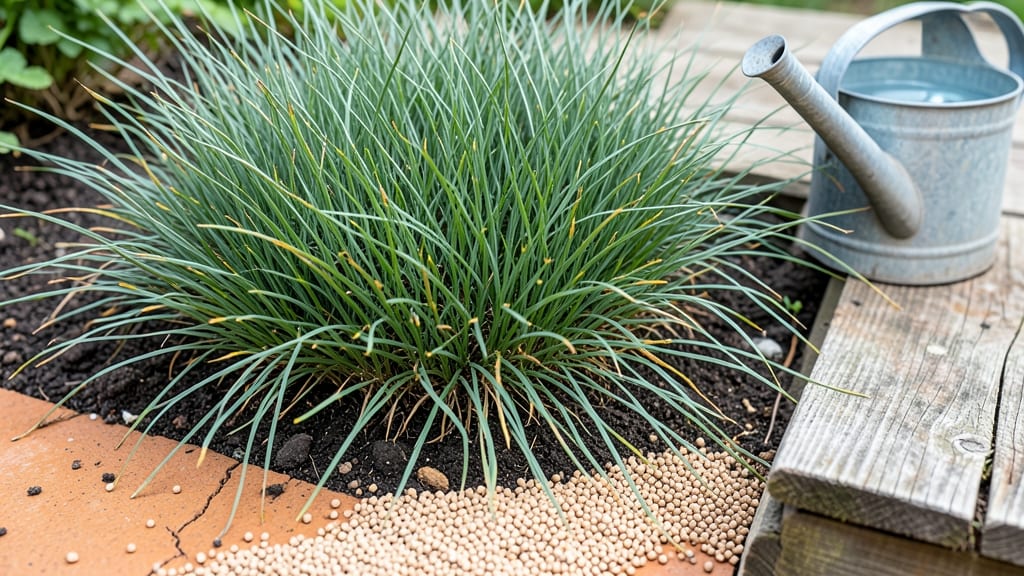
Learn how to save grass from dog pee before your lawn turns into a patchwork of yellow—here’s my 24-hour fix with a golden retriever. 🌱 smart long-term habits that actually work.
The ammonia in dog urine burns grass roots on contact, but dilution is your first defense. Flush the spot with water right after your pup goes, and you’ll stop the damage before it starts.
For existing patches, a mix of water and baking soda (1 tablespoon per gallon) neutralizes the acidity and gives your grass a fighting chance.
Within 24 hours, you’ll see the yellow fade as the grass recovers—no more permanent brown spots. The key is consistency: train your dog to pee in one spot, use pee-absorbing mats, or switch to dog-friendly grass like centipede or tall fescue, which handle urine better than Kentucky bluegrass.
This method works for any lawn, whether you’ve got a small yard or a sprawling backyard. The secret? Acting fast and making small changes that add up over time. Let’s get that lawn back to lush in no time.
The Hidden Culprits Behind Dead Grass
If your lawn has started showing yellow patches after your pup does its business, you’re not alone. Dog urine is packed with nitrogen (ammonia), phosphates, and other compounds that can wreak havoc on grass in just minutes.
But why does this happen? Let’s break down the science behind the damage—and how to spot the warning signs before it’s too late.
Dog urine is highly concentrated in urea, which breaks down into ammonia—a compound that’s toxic to grass at high levels. Here’s what happens:
- Ammonia burn: When urine hits the grass, the ammonia immediately raises the soil’s pH, creating a basic (alkaline) environment. Grass prefers a slightly acidic pH (6.0–7.0), so this sudden shift burns plant cell membranes, killing the blades.
- Nutrient imbalance: While nitrogen is essential for growth, too much at once overwhelms the grass’s ability to absorb it. The excess nitrogen also attracts weeds (like crabgrass) that thrive in disturbed, high-nitrogen soil.
- Root stress: The roots can’t keep up with the nutrient influx, leading to chlorosis (yellowing) as the grass struggles to produce chlorophyll.
💡 Pro Tip: Small dogs or frequent urination spots cause more concentrated damage than larger, occasional pees. Dilution is key—watering immediately can help, but the damage is often already done.
Beyond the chemical burn, dog urine can compact soil over time, especially in high-traffic areas where pups frequently mark. Here’s how:
- Foot traffic + urine weight: Every time your dog pees and walks over the same spot, the moisture from urine combined with foot pressure compresses the soil. This reduces oxygen flow to roots, suffocating them.
- Poor drainage: Compacted soil holds water poorly, leading to root rot in some areas while others dry out too quickly. Grass in these zones lacks stability and turns yellow from stress.
- Weakened turf density: Compacted areas are easier for weeds and fungi to invade, further degrading the lawn’s health.
🔥 Warning Sign: If the yellow patches feel spongy or sink underfoot, soil compaction is likely the culprit. Aerating the lawn can help, but prevention (like training your dog to pee in one spot) is better.
Dog urine isn’t just chemicals—it’s a petri dish for microbes. While some bacteria help break down waste, others can disrupt your lawn’s ecosystem:
- Urea-decomposing bacteria: These convert ammonia into nitrates, which can feed weeds while starving grass of other essential nutrients like potassium and magnesium.
- Fungal growth: The moisture and organic matter in urine create the perfect conditions for lawn fungi like Fusarium or Rhizoctonia, which cause brown patches and thinning grass.
- Pathogen spread: If your dog has parasites (like giardia), their urine can contaminate soil, indirectly harming grass by altering microbial balance.
🌡️ Key Factor: Warm, humid weather accelerates microbial activity, making summer the worst time for urine-related fungal outbreaks. If your grass smells musty or sour after peeing spots, microbes are likely at play.
Not all grass is created equal. Some breeds are hardier and more tolerant of urine than others:
| Grass Type | Urine Tolerance | Why It Struggles |
|---|---|---|
| Kentucky Bluegrass | ⭐⭐ (Moderate) | Recovers faster but yellows quickly if urine is concentrated. |
| Fescue | ⭐⭐⭐ (High) | Deep roots dilute urine impact, but still suffers in high-traffic areas. |
| Bermuda | ⭐ (Low) | Shallow roots burn easily; recovers slowly. |
| Clover (often mixed in lawns) | ⭐⭐⭐⭐ (Very High) | Nitrogen-loving but outcompetes grass in urine-heavy spots. |
✨ Actionable Insight: If your lawn is a mix of grass types, the weaker species (like Bermuda) will show damage first. Consider re-seeding with fescue or clover for better resilience.
How to solve it
Dog urine can turn your lush green lawn into a patchwork of yellow—fast! But the good news? With the right approach, you can revive your grass in 24 hours or less and prevent future damage.
Below, we’ve mapped out cause-specific solutions to restore your lawn’s health, along with easy prevention tips to keep it thriving.
If your lawn struggles with soggy soil or poor drainage, dog urine can concentrate and burn grass even faster. Here’s how to fix it:
- 💦 Flush the area: Water the affected spot heavily for 10–15 minutes to dilute the urine and wash away excess nitrogen. Repeat 2–3 times a day until the yellow fades.
- 🔨 Aerate the soil: Use a garden fork or aerator to poke holes (2–3 inches deep) in the damaged patch. This helps water and nutrients penetrate deeper, reducing future burn.
- 🌱 Overseed thin spots: After flushing, sprinkle fast-growing grass seed (like ryegrass) over the area and lightly cover with soil. Keep it moist until new growth appears.
💡 Pro Tip: If your lawn has chronic drainage issues, consider installing a French drain or amending the soil with compost to improve water flow.
Dog pee is packed with nitrogen, which can scorch grass if it’s too strong. Balance it out with these steps:
- 🧼 Use vinegar or baking soda: Mix 1 part white vinegar with 3 parts water and spray the area to neutralize the pH. For baking soda, dissolve 1 tbsp per gallon of water and apply lightly.
- 🌿 Apply a phosphorus-rich fertilizer: Skip nitrogen-heavy fertilizers—opt for a low-nitrogen, high-phosphorus formula (like 5-10-10) to encourage root recovery.
- 💧 Deep water afterward: After treating, water the spot thoroughly to help the grass absorb nutrients.
✨ Bonus: If you notice white crust on the soil (a sign of excess salts from urine), sprinkle gypsum over the area to break it down.
Grass under stress (like during heatwaves) is more vulnerable to dog pee damage. Act fast with these steps:
- 🚰 Hydrate immediately: Give the lawn a deep soaking (1–2 inches of water) right after your dog pees. This dilutes the urine before it burns.
- 🌿 Mow higher: Set your mower to 3–4 inches to shade the roots and retain moisture.
- 🌅 Mulch or shade cloth: Cover the damaged area with straw mulch or a lightweight shade cloth for a few days to protect it from direct sun.
🔥 Emergency Fix: If the grass is crispy to the touch, trim the dead patches and reseed. In extreme heat, water twice daily (early morning and evening) to help recovery.
Once you’ve revived your grass, prevent future damage with these habits:
- 🐕 Train your dog: Teach your pup to pee in one designated spot (like a gravel area or mulch bed) away from the lawn.
- 💦 Dilute on the spot: After your dog pees, pour a bucket of water over the area to dilute the urine.
- 🌱 Choose pee-resistant grass: If you have a high-energy dog, plant tall fescue or Bermuda grass, which tolerate urine better than others.
- 🌿 Fertilize wisely: Avoid high-nitrogen fertilizers during peak growing seasons—opt for slow-release, balanced formulas instead.
- 🚫 Avoid overwatering: Water deeply but infrequently (1–1.5 inches per week) to prevent urine from concentrating.
🎯 Gold Standard: Combine prevention with regular lawn maintenance—mowing, aerating, and overseeding—to build a resilient lawn that bounces back faster.
Frequently asked questions
Why does dog pee turn grass yellow so quickly?
The ammonia in dog urine creates an alkaline environment that burns grass blades almost instantly. Small dogs cause more concentrated damage since their urine is stronger. The yellowing happens when the grass can't produce enough chlorophyll to recover from the chemical burn.
Can I use vinegar to fix yellow patches from dog pee?
Yes! Mix 1 part white vinegar with 3 parts water and spray it on the affected area to neutralize the urine's pH. This helps restore the grass's natural acidity. Follow up by watering thoroughly to help the grass recover faster.
What's the best grass type for dog owners?
Tall fescue and centipede grass handle dog urine better than Kentucky bluegrass or Bermuda. These varieties have deeper roots that dilute the urine's impact. If you have a high-energy dog, consider planting these more resilient types.
How often should I water my lawn after my dog pees?
Water the spot immediately with 10-15 minutes of deep watering to dilute the urine. For existing damage, water 2-3 times daily until the yellow fades. This helps flush out excess nitrogen and prevents further burning.
Will my grass ever fully recover from dog pee damage?
Yes, with proper care! If you act quickly by flushing with water and using pH-balancing solutions, most grass will recover within 24-48 hours. For severe cases, overseeding with fast-growing grass like ryegrass can help restore the lawn completely.