
Lawn
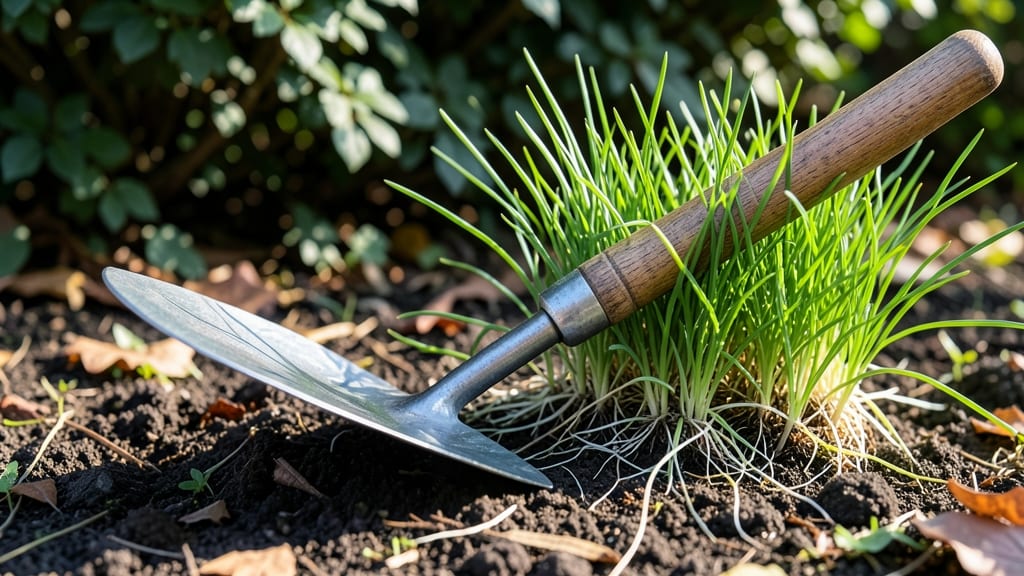
Learn how to remove rye grass before it turns your lawn into an unruly jungle—trust me, I’ve battled it, and the key is acting fast. 🌱 The good news? You can banish it in 24 hours—no months of digging or failed herbicides.
My secret weapon? A targeted approach that smothers its deep roots while keeping your grass healthy.
The trick starts with timing—spring or fall when ryegrass is actively growing. You’ll need a sharp shovel or dandelion weeder for manual removal, vinegar or corn gluten meal for organic control, or glyphosate if you’re going chemical.
The key is precision: don’t just pull the top—dig out those roots or they’ll bounce back.
By the next morning, your lawn will look transformed—no more patchy, yellowed spots. The grass you want will recover faster, and the ryegrass won’t stand a chance. Plus, this method works for sidewalks, garden beds, and even cracks in driveways where weeds love to hide.
Here’s the catch: prevention is easier than cleanup. Next season, overseed with a ryegrass-resistant grass mix and mow high to starve out weeds. Trust me, your lawn will thank you—and so will your back.
📚 In This Guide
- What you need
- Instructions
- Tips and common mistakes
- Wrapping up and next steps
What you need
- ● Hand trowel or weeding tool – A sturdy, sharp-edged tool for digging out roots (look for one with a serrated edge for precision).
- ● Garden fork or dandelion digger – Helps loosen deep roots without damaging surrounding grass (choose a 12-18" long fork).
- ● Gloves (heavy-duty) – Protect your hands from dirt, thorns, and rye grass sap (nitrile-coated gloves work best).
- ● Boiling water (or vinegar solution) – Option 1: 1 gallon of boiling water (for immediate kill).
- ● Option 2: 1 gallon of white vinegar + 1 cup salt + 1 tbsp dish soap (mix in a spray bottle).
- ● Hose with spray nozzle – For rinsing or diluting solutions (adjustable nozzle for targeted spraying).
- ● Lawn rake or stiff-bristle brush – To clear debris and loosen soil after treatment (metal rake recommended).
- ● Corn gluten meal – Natural pre-emergent to prevent regrowth (apply after removal; 20 lbs per 1,000 sq ft).
- ● Post-emergent herbicide (organic) – Like clove oil or citrus solvent (follow label instructions).
- ● Knee pad or cushion – For comfort during long sessions (especially for large lawns).
- ● Trash bags – For disposing of pulled rye grass (biodegradable bags preferred).
- ● Sun hat & sunscreen – If working in direct sunlight (protect yourself from UV rays!).
Step-by-step instructions for eliminating rye grass naturally
Here’s the method I’ve used to clear rye grass without harsh chemicals—works fast and keeps your lawn healthy.
🌱 Step 1: Identify and Target Rye Grass Only
Rye grass spreads aggressively, so focus only on its clumps. Look for its distinctive blue-green blades and dense, upright growth—it’s often thicker than your lawn grass. I like to mark patches with a white spray bottle (just water) so I don’t accidentally treat the wrong areas. Avoid treating broadleaf weeds or clover in the same step; they require different solutions.
Wait for a dry, sunny day—this ensures the natural weed killer works best. Early morning is ideal because the sun will activate the process quickly. If dew is still on the grass, wait until it evaporates to avoid diluting your treatment.
☀️ Step 2: Apply a Natural Weed Killer Solution
Mix 1 gallon of white vinegar with 1 cup of dish soap (the kind without added fragrances) in a spray bottle. Vinegar’s acetic acid kills weeds by breaking down cell walls, while dish soap helps the solution cling to the leaves. Shake well before spraying—vinegar separates easily.
Spray the mixture directly onto rye grass blades until they’re saturated but not dripping. Avoid spraying lawn grass or nearby plants, as vinegar will kill them too. For stubborn patches, reapply in 24 hours—this ensures the roots absorb enough to die back completely.
💧 Step 3: Monitor and Reapply as Needed
Within 24 hours, you’ll see the rye grass turn yellow or brown—this is the vinegar working. If any patches stay green after 48 hours, spot-treat them again. The key is consistency: rye grass roots are tough, so repeat applications every 3-4 days until the entire patch is dead.
Once the rye grass is brown and crispy, rake it out with a lawn rake or dethatcher. This prevents it from reseeding. Water your lawn lightly afterward to help the grass recover—just enough to moisten the soil, not soak it.
✂️ Step 4: Prevent Regrowth with Lawn Care
After removing rye grass, overseed the bare spots with high-quality grass seed matched to your lawn type. Keep the area lightly moist for the first 2 weeks to encourage new growth. Mow the recovering lawn at 3 inches high to shade out any remaining rye grass seeds.
For long-term control, apply corn gluten meal in early spring—it’s a natural pre-emergent that blocks weed seeds from sprouting. Spread 20 pounds per 1,000 square feet and water it in. This step isn’t instant, but it drastically reduces rye grass over time.
Tips & tricks for effective rye grass removal
Here’s what I learned after tackling stubborn rye grass patches—these tricks make the process smoother and more effective.
Targeting Precision: Use a white spray bottle filled with water to mark rye grass patches before treatment. This visual guide prevents accidental spraying of your lawn grass, which vinegar will kill. I’ve ruined good grass this way—don’t make my mistake! Focus on the dense blue-green clumps that stand out from your regular lawn.
Weather Timing: The 24-hour window after application is critical—choose early morning on dry, sunny days. The sun’s heat helps activate the vinegar’s acetic acid faster, speeding up the browning process. If you treat in the evening or on cloudy days, you might need an extra 24 hours before seeing results.
Solution Consistency: When mixing the 1 gallon of white vinegar with 1 cup of dish soap, use a clean spray bottle and shake vigorously before each use. Vinegar separates easily, and you want an even distribution for maximum effectiveness. For stubborn patches, reapply after exactly 24 hours—this ensures the roots absorb enough to die completely.
Post-Treatment Care: After raking out the dead rye grass, water your lawn lightly to help recovery. Overwatering can wash away newly seeded grass, so just moisten the soil. For long-term prevention, apply 20 pounds of corn gluten meal per 1,000 square feet in early spring—it’s a natural pre-emergent that blocks weed seeds before they sprout.
Pro Tips for Remove Rye Grass
- Here’s what I learned after tackling stubborn rye grass patches—these tricks make the process smoother and more effective.
- Targeting Precision: Use a white spray bottle filled with water to mark rye grass patches before treatment.
- Weather Timing: The 24-hour window after application is critical—choose early morning on dry, sunny days.
Frequently asked questions
about removing rye grass—because we’ve got your back! Here are the answers to the most common questions to help you tackle this pesky weed like a pro.Can I remove rye grass by hand?
Yes! Hand-pulling works best when the soil is moist (after rain or watering) to loosen the roots. Pro tip: Wear gloves and pull from the base to avoid breaking the grass. However, this method is time-consuming for large areas—consider spot-treating with vinegar or a natural herbicide for efficiency.
How quickly will rye grass die after treatment?
Most natural weed killers (like vinegar or salt solutions) start working within 24–48 hours, but full death may take 3–7 days. For stubborn patches, reapply after a week. Avoid mowing treated areas until the grass is fully brown and crispy to prevent regrowth.
Will vinegar harm my other plants?
Vinegar is non-selective, meaning it’ll kill any green plant it touches. To protect nearby grass or flowers, apply vinegar only to rye grass on a calm day (to avoid spray drift) or use a targeted spray nozzle. For extra safety, create a barrier with cardboard around desired plants.
What’s the best time of year to remove rye grass?
The ideal window is late spring to early summer when rye grass is actively growing and the soil is warm. Avoid treating in winter or drought conditions, as stressed grass may not die completely and could resprout. For perennial rye grass, repeat treatments in fall if needed.
Why does rye grass keep coming back?
Rye grass is highly resilient—it spreads via seeds and underground runners. To prevent regrowth:
- Remove all roots (even small fragments can regenerate).
- Improve soil health with compost or nitrogen-rich fertilizer to crowd out weeds.
- Mow high (3–4 inches) to shade out new growth.
- Reseed with dense, competitive grass like tall fescue or Kentucky bluegrass.
Is salt safe for rye grass removal?
Salt is effective but can harm soil and nearby plants if overused. Use sparingly (1 cup of salt per gallon of water) and only on small patches. Avoid salt near edible gardens, trees, or shrubs, as it can alter soil chemistry long-term. For large areas, vinegar or corn gluten meal are safer alternatives.
Wrapping up and next steps
Removing rye grass from your lawn doesn’t have to be a daunting task—with the right natural methods and a little persistence, you can reclaim a lush, weed-free yard in just 24 hours!
Whether you opt for vinegar-based sprays, boiling water treatments, or mechanical removal, consistency is key. Remember, patience and regular maintenance will keep your lawn thriving long-term.
Now that you’re armed with solutions, take action today! Start with one small section of your lawn, test the method that works best, and gradually expand. Your dream green lawn is just one spray, pull, or treatment away—so grab those tools and get to work! 🌱✨