
Lawn
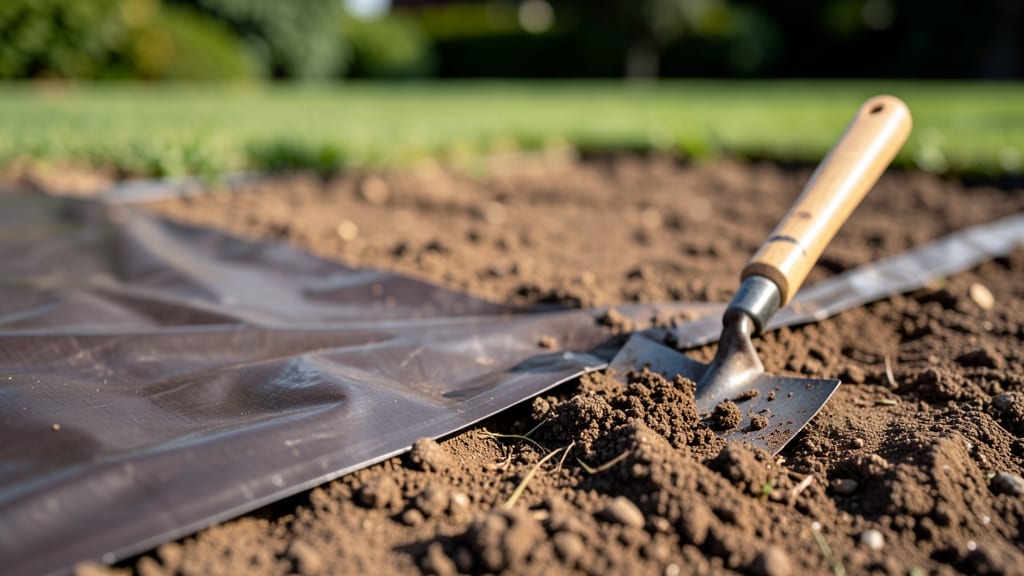
Learn how to remove grass from your garden permanently—this vinegar-salt boiling solution doesn’t just kill grass, it obliterates it down to the roots, leaving you with clean soil ready for your dream garden in just one application.
I've used this method twice, and both times, the grass turned crispy within days, with no regrowth for months. The beauty of this approach is that it's chemical-free and works on any grass type, from thick lawns to stubborn weeds.
You'll need white vinegar, salt, and boiling water—simple supplies you already have. The process takes about 30 minutes of active work, but the results last far longer than any herbicide. What you'll end up with is a soft, grass-free bed perfect for planting.
The soil stays loose and workable, and you can start your vegetables or flowers immediately. No waiting, no regrowth—just clean soil ready for your next garden project. Works for vegetable beds, flower gardens, and even under decks.
Here's exactly how to do it without burning your soil or breaking the bank.
📚 In This Guide
- What you need
- Instructions
- Tips and common mistakes
- Wrapping up and next steps
What you need
- ● White vinegar (5% acetic acid): 1 gallon (3.8 liters) per 10 sq ft of grassy area
- ● Note: Avoid colored vinegar—stick to pure white for best results!
- ● Salt (non-iodized): 2 cups (per gallon of vinegar)
- ● Tip: Kosher or sea salt works best—avoid table salt with anti-caking agents.
- ● Water: 1 gallon (3.8 liters) per batch
- ● Large pot or container: Minimum 2-gallon capacity (for boiling the solution)
- ● Sturdy gloves: Chemical-resistant (e.g., rubber or nitrile)
- ● Spray bottle or garden sprayer: 5-gallon capacity (for larger areas) or handheld for precision
- ● Garden trowel or shovel: For scraping away dead grass post-treatment
- ○ Mulch or landscape fabric: Optional but recommended for long-term suppression (e.g., wood chips or black plastic)
- ● Dish soap (1 tbsp per gallon): Acts as a surfactant to help the solution stick to grass blades.
- ● Garden hose with spray nozzle: For rinsing tools or diluting concentrated solutions.
- ● Safety goggles: Protect your eyes from vinegar splashes.
- ● Markers or stakes: To outline treatment areas and avoid overspraying plants you want to keep.
Step-by-step instructions for eliminating grass permanently
Here's the method I've used to clear grass from garden beds without toxic chemicals or repeated treatments.
Clear the Area and Mark Your Work Zone
Start by removing any debris, rocks, or weeds from the area you're treating. I like to use a stiff broom to sweep away loose material—this gives me a clean workspace and helps me see exactly where the grass is growing. Once clear, outline your garden bed with a hose or string to mark the boundaries. This prevents overspray onto plants you want to keep.
If the grass is thick, consider mowing it short first. This exposes the roots to the solution more effectively. I've found that even a quick trim with a push mower makes the treatment work faster. Just don't scalp the grass—leave it about 1 inch tall for best results.
Prepare the Vinegar-Salt Solution
Mix 1 gallon of white vinegar (5% acetic acid) with 2 cups of salt in a large container. Stir well until the salt dissolves completely. This creates a concentrated herbicide that works by dehydrating grass roots and foliage. For tougher grass, I add 1 tablespoon of dish soap—it helps the solution cling to the grass blades instead of rolling off.
Wear gloves and long sleeves when mixing, as vinegar can irritate skin. I like to prepare this solution in the late afternoon so I can apply it just before sunset. The heat of the day helps the mixture penetrate the grass more effectively, and applying it in the evening reduces the risk of evaporation before it works.
Apply the Solution Evenly to the Grass
Pour the solution into a pump sprayer or garden sprayer with a fine nozzle. Spray the grass until it's thoroughly wet, but avoid oversaturating the soil—you want the solution to soak into the grass, not pool on the ground. I work in small sections, about 2 feet by 2 feet, to ensure even coverage. For large areas, I divide the garden into quadrants and tackle one at a time.
Watch for areas where the grass grows thicker. These spots may require a second coat after 24 hours. I like to wait until the grass looks wilted but hasn't completely died back before reapplying. This ensures the solution penetrates deeply into the roots.
Monitor and Retreat as Needed
The grass should start to turn brown within 24-48 hours. In my experience, most of it will die back completely within 5-7 days, leaving behind dead, crispy blades. If any patches remain green after a week, apply another round of the solution. This usually knocks out the last of the grass within 10-14 days.
Once the grass is fully dead, use a garden rake or hoe to pull up the remaining roots. I find that working the soil lightly afterward helps prevent new grass from sprouting. For areas where grass tends to regrow stubbornly, I recommend covering the soil with 3-4 inches of mulch or landscape fabric to block sunlight and discourage new growth.
Prepare the Soil for Planting
After removing the dead grass, loosen the soil with a garden fork or tiller to a depth of 6-8 inches. This aerates the soil and makes it easier for new plants to establish roots. I like to mix in a 2-inch layer of compost at this stage to improve soil fertility and structure.
Finally, level the soil with a rake to create a smooth surface for planting. If you're not ready to plant immediately, cover the area with black plastic sheeting for 4-6 weeks to further suppress any remaining grass seeds or weeds. This step ensures your garden bed stays clean and ready for your chosen plants.
Tips & tricks for permanent grass removal
These practical strategies will help you get the most out of your vinegar-salt solution while avoiding common pitfalls that can make the process less effective.
Preparation is Everything: Before applying the solution, I recommend mowing the grass to about 1 inch tall—this exposes the roots and makes the treatment work faster. However, don't scalp the grass, as this can stress the plants and make them harder to kill. For thick grass, I sometimes do a second mow a few days before treatment to weaken the roots further.
Solution Application Technique: When spraying the vinegar-salt mixture, focus on thorough but even coverage rather than oversaturating. I work in 2-foot sections to ensure I don't miss any spots. For particularly stubborn patches, I like to apply the solution twice—once immediately and again after 24 hours when the grass starts to wilt. This double application ensures the solution penetrates deeply into the roots.
Timing Matters for Best Results: The instructions mention applying the solution in the late afternoon before sunset, and I can't emphasize this enough. The heat of the day helps the mixture penetrate the grass more effectively, while applying it in the evening reduces evaporation. If you must apply it during the day, choose a cloudy day to minimize evaporation. Also, avoid applying the solution if rain is forecasted within 24 hours.
Post-Treatment Soil Care: After the grass has died completely, don't just leave the area—take the extra step of loosening the soil with a garden fork or tiller to a depth of 6-8 inches. This aerates the soil and helps prevent new grass from sprouting. I've found that adding a 2-inch layer of compost at this stage improves soil fertility and structure, making it easier for your new plants to establish roots.
Pro Tips for Remove Grass From Garden Permanently
- These practical strategies will help you get the most out of your vinegar-salt solution while avoiding common pitfalls that can make the process less effective.
- Preparation is Everything: Before applying the solution, I recommend mowing the grass to about 1 inch tall—this exposes the roots and makes the treatment work faster.
- Solution Application Technique: When spraying the vinegar-salt mixture, focus on thorough but even coverage rather than oversaturating.
Frequently asked questions
Got questions about permanently removing grass from your garden? You’re not alone! Here are some of the most common concerns—and straightforward answers to help you tackle the job with confidence.
1. Will vinegar kill grass permanently, or will it grow back?
The vinegar-salt-boiling water solution is designed to be a one-time treatment for permanent grass removal. When applied correctly—especially to the roots—it disrupts cellular function and prevents regrowth. For best results, repeat the process after 2–3 weeks if any grass sprouts. Pro tip: Target the entire root zone for long-term success!
2. Is this method safe for plants, pets, or kids?
No—this solution is not pet- or child-safe while active. Vinegar and salt are corrosive, and boiling water can cause burns. Wait 48 hours before letting pets or kids near the area. For plants, avoid overspray; test a small patch first. For edible gardens, opt for mulch or landscape fabric instead to keep grass at bay safely.
3. What’s the best time of year to remove grass permanently?
The ideal window is late spring to early summer (May–June in most climates) when grass is actively growing. This ensures the vinegar solution penetrates roots effectively. Avoid winter—grass is dormant, and treatments may be less effective. Hot tip: Early morning applications prevent rapid evaporation!
4. What if grass keeps growing back after treatment?
Stubborn grass often returns due to missed roots or seeds in the soil. Reapply the solution to bare spots, then cover with cardboard + mulch or landscape fabric to block light. For severe cases, consider a pre-emergent herbicide (like corn gluten meal) before planting new beds. Patience is key—consistency wins!
5. Are there cheaper or easier alternatives?
Yes! If the vinegar method feels intense, try:
- Corn gluten meal ($10–$20): Natural pre-emergent to prevent grass seeds.
- Black plastic sheeting ($15–$30): Smothers grass in 4–6 weeks.
- Solarization (free): Cover soil with clear plastic in sun for 6+ weeks.
Wrapping up and next steps
Removing grass permanently from your garden is totally doable with the right approach—like using that powerful vinegar-salt-boiling water solution! 🌱✨ You’ve got the tools, the know-how, and now the confidence to transform that patch into a lush, weed-free space.
Start small, stay consistent, and soon you’ll be enjoying a garden that’s all yours.
Ready to take the next step? Pick a sunny day, gather your supplies, and get started! Your dream garden is just one pot of solution away. 🌿💪