
Lawn
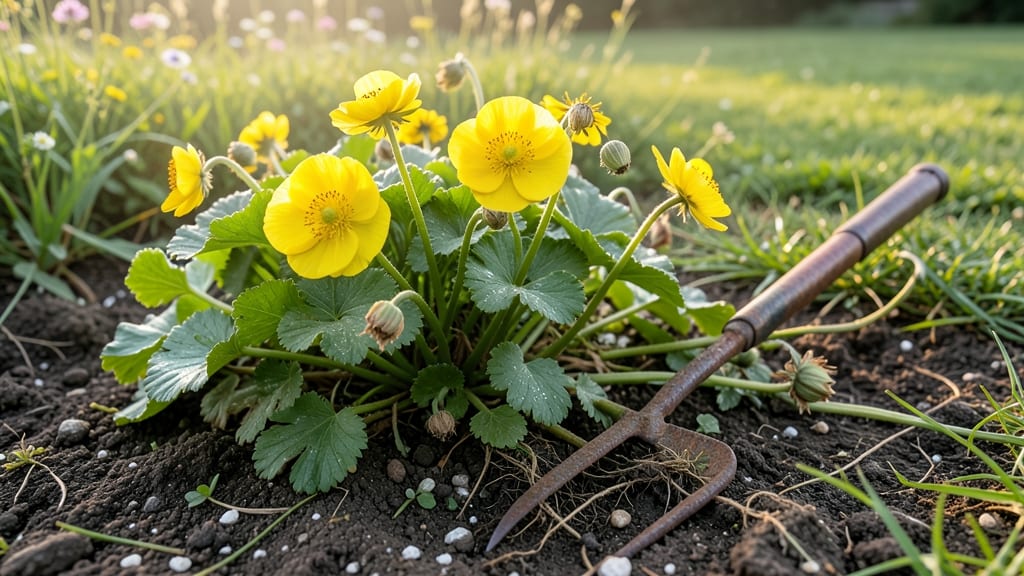
Buttercups in grass aren’t just ugly—they’re stubborn. 🌱 I’ve battled these bright yellow invaders for years, and the vinegar spray method finally gave me the upper hand, often killing them in a single treatment. The key? Timing, concentration, and a little persistence to stop regrowth before it starts.
Most people grab herbicides first, but vinegar is a cheap, organic alternative that works fast when applied on sunny, dry days. You’ll need basic supplies: white vinegar, dish soap, and a spray bottle.
The soap helps the solution stick to the leaves, while the vinegar’s acidity burns the buttercups’ foliage and roots—no fancy equipment needed.
Within 24-48 hours, you’ll see the buttercups wilt and turn brown. Dig up the dead plants to prevent reseeding, and repeat treatments every 2-3 weeks until the lawn stays clear. The smell fades quickly, and your grass recovers faster than you’d expect—no chemical residue left behind.
For tough spots, combine vinegar with a little salt (just a teaspoon per gallon) for extra power, but test on a small area first. The real secret? Staying ahead of new sprouts by treating early in the season. Once you master this, buttercups won’t stand a chance.
Root Causes Of Buttercups
Buttercups don’t just pop up in your lawn by accident—they’re there because of specific conditions that make your grass the perfect home for them. Understanding these triggers is the first step to reclaiming your yard. Here’s why buttercups thrive where they shouldn’t, and what you can do about it.
Buttercups love weak, nutrient-poor soil, especially if your lawn lacks nitrogen, phosphorus, or potassium. These weeds are opportunistic—they fill gaps where grass struggles to grow. Here’s the science:
- Low organic matter: Buttercups thrive in soil with <1% organic content. Healthy lawns need at least 5% to compete.
- Compacted soil: Heavy foot traffic or machinery compresses soil, reducing oxygen and water absorption. Buttercups exploit these weak spots.
- pH imbalances: They prefer slightly acidic to neutral soil (pH 6.0–7.0). If your lawn’s pH is off, grass weakens while buttercups flourish.
Actionable fix: Test your soil (DIY kits cost ~$20) and amend with compost or a balanced fertilizer (like 10-10-10). Aerate compacted areas to boost grass resilience.
Buttercups are sun-worshippers. They germinate best in full sunlight (6+ hours/day) where grass is thin or patchy. Here’s why:
- Grass shade-out: Dense grass blocks sunlight, but if your lawn is sparse (due to drought, disease, or poor mowing), buttercups seize the opportunity.
- Seed timing: They germinate in early spring when soil is warm but grass is still dormant. A single plant can produce 2,500 seeds per year!
- Drought stress: Weak grass from dry spells creates bare spots—perfect for buttercup colonization.
Actionable fix: Mow high (3–4 inches) to shade soil and crowd out weeds. Water deeply (1–1.5 inches/week) to keep grass thick. Overseed bare patches in fall.
Buttercups hate dry conditions but love soggy soil. Here’s how watering habits backfire:
- Frequent light watering: Encourages shallow grass roots, leaving soil moist for buttercup seeds to sprout.
- Poor drainage: Waterlogged areas (common in clay soil) create ideal germination zones. Buttercups outcompete grass in these zones.
- Irrigation timing: Watering in evenings keeps soil damp longer, giving weeds a head start.
Actionable fix: Water deeply but infrequently (2–3 times/week). Improve drainage with sand or gypsum if needed. Avoid evening watering.
Buttercups exploit lazy lawn care. Skipping basic upkeep creates the perfect storm for them:
- Unmowed grass: Tall grass (4+ inches) blocks sunlight from reaching soil, but it also traps moisture—ideal for buttercup seeds.
- No dethatching: A thick thatch layer (¼ inch+) smothers grass roots, while buttercups push through easily.
- Delayed weed control: Waiting until buttercups flower means their seeds are already spreading. Pre-emergent herbicides (applied in early spring) are key.
Actionable fix: Mow regularly, dethatch every 2–3 years, and apply pre-emergent herbicide in late winter (before buttercups germinate).
Pro tip: 🔍 Buttercups are annuals—they complete their life cycle in one year. Target them before they flower (May–June) to stop seed spread. Use a mix of cultural fixes (soil, water, mowing) + vinegar sprays for best results!
Quick Fixes for Buttercup Overgrowth
Buttercups may seem harmless, but their bright yellow blooms can quickly turn your lush green lawn into a patchwork of weeds. The good news? With the right approach, you can reclaim your grass in no time.
Below are practical, step-by-step solutions tailored to the root causes of buttercup invasions—plus tips to keep them from returning.
Buttercups thrive in thin or weak grass, so the first line of defense is physical removal. This method works best for small patches or early-stage infestations.
👨🍳 Step-by-Step Pulling Guide
- Timing is Key 🌞 - Pull buttercups before they flower (late spring to early summer) to prevent seed spread.
Mature plants release thousands of seeds, so act fast! - If flowers are already present, cut them off at the base with scissors or a weed trimmer to stop seed production.
- Grip and Twist 💪
- Wear gloves (buttercup sap can irritate skin).
- Grasp the plant as close to the root as possible—buttercups have deep taproots.
- Twist and tug firmly to dislodge the entire root. If the root breaks, the plant will regrow.
- Dispose Properly 🗑️
- Never compost pulled buttercups—they’ll regrow!
- Place them in a sealed bag and toss in the trash or burn them (if local regulations allow).
- Repeat Weekly ⏰
- Buttercups grow quickly. Check your lawn every 5–7 days for new sprouts, especially in shady or moist areas.
If manual removal feels like a losing battle, a homemade vinegar spray is a fast, chemical-free alternative. This works best on small to medium patches (not large lawns) and kills buttercups in hours.
🔪 DIY Vinegar Weed Killer Recipe
| Ingredient | Amount | Why It Works |
|---|---|---|
| White vinegar (20% acidity) | 1 gallon | Kills weeds by burning their foliage |
| Dish soap (1 tbsp) | 1 tablespoon | Breaks surface tension for better absorption |
| Water (optional) | 1 cup (if needed) | Dilutes for sensitive grass areas |
⚠️ Safety Note:
- Avoid spraying on windy days—vinegar can drift and damage nearby plants.
- Test a small patch first—some grasses may turn brown temporarily.
- Wear gloves and eye protection—vinegar is corrosive.
👨🍳 Application Steps:
- Mix the solution in a spray bottle or pump sprayer.
- Spray directly on buttercup leaves (avoid grass). The vinegar works by denaturing proteins in the plant.
- Wait 2–4 hours, then pull the dead plants by the roots.
- Reapply if needed—some deep roots may require a second treatment.
Buttercups love thin, weak grass. The best long-term fix? Thick, healthy turf that outcompetes them.
💡 Grass Strengthening Tips
- Mow High 🌱 – Set your mower to 3–4 inches to shade out weeds and encourage deep roots.
- Water Deeply 💦 – 1–1.5 inches per week (deep and infrequent) promotes strong grass roots.
- Fertilize Properly 🌿 – Use a slow-release, nitrogen-rich fertilizer in early spring to boost growth.
- Overseed Bare Spots 🌱 – Fill thin areas with clover or fine fescue to crowd out buttercups.
Once your lawn is buttercup-free, keep it that way with these proactive steps:
- Pull New Sprouts Early 🚀 – Don’t wait for flowers to appear; remove seedlings immediately. - Improve Drainage 💧 – Buttercups love soggy soil.
Aerate compacted areas to reduce moisture retention. - Use Pre-Emergent Herbicide (Optional) 🛡️ – Apply in early spring (before buttercups sprout) to block germination. - Encourage Beneficial Insects 🐞 – Ladybugs and ground beetles eat buttercup seeds naturally.
If buttercups cover more than 10% of your lawn, manual removal and vinegar may not be enough. Consider:
- Selective herbicides (like 2,4-D) for large infestations—always follow label instructions.
- Professional lawn treatment if DIY methods fail.
Final Thought: Buttercups are tough, but with consistent effort, you can reclaim your lawn—and keep it that way. Start with pulling and vinegar, then strengthen your grass to make your lawn a buttercup-free zone! 🚜💚
Frequently asked questions
Will vinegar kill grass too if I spray buttercups?
Vinegar can damage grass if not used carefully. Always spray only on buttercup leaves, avoiding grass blades. For extra safety, dilute the vinegar slightly (add 1 cup water per gallon) and test on a small grass patch first. The soap in the mix helps target weeds more precisely.
Why do buttercups keep coming back even after I pull them?
Buttercups spread through seeds and deep roots. If you don’t remove the entire root or miss tiny seedlings, they’ll regrow. Check your lawn weekly in spring/summer, and consider adding 1 inch of compost to starve out future sprouts by improving soil health.
Can I use salt instead of vinegar to kill buttercups?
Salt works but is harsher on soil and grass. Mix 1 cup salt + 1 gallon water + 1 tbsp dish soap for a stronger solution. However, salt can permanently alter soil chemistry, making future grass growth difficult. Vinegar is safer for long-term lawn health.
What’s the best time of day to treat buttercups with vinegar?
Apply vinegar on sunny, dry mornings when dew has evaporated. The heat helps the solution absorb faster. Avoid evenings—moisture can dilute the vinegar’s effectiveness. Always spray when winds are calm to prevent drift onto grass or plants.
How do I prevent buttercups from spreading to my garden beds?
Create a 3-inch mulch barrier (straw or wood chips) around garden edges to block buttercup seeds. Pull any buttercups within 10 feet of garden beds immediately, and overseed thin grass areas with clover or creeping thyme to outcompete weeds naturally.