
Vegetables
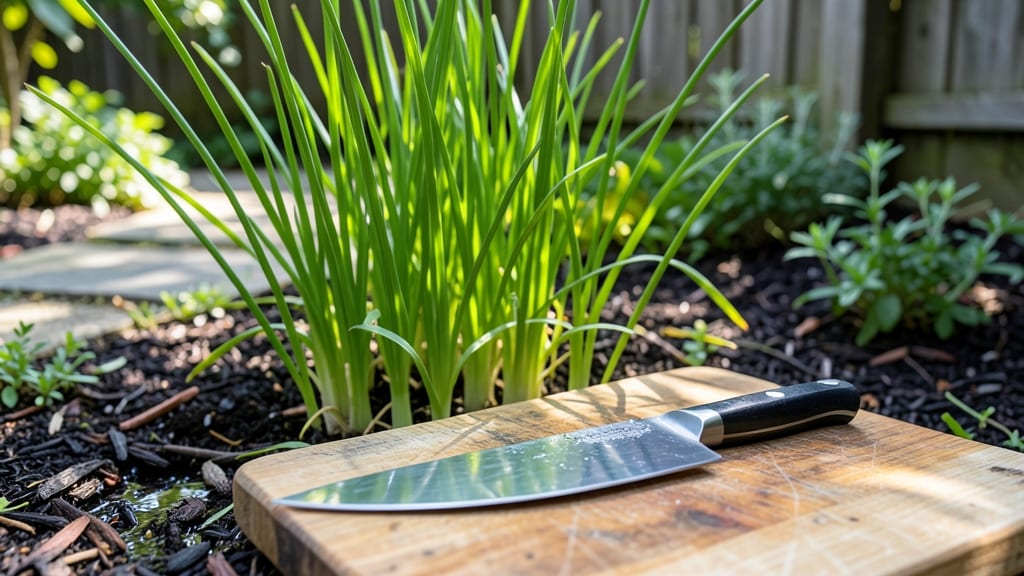
The culinary uses of lemongrass span bright citrusy, floral notes with a subtle ginger-like warmth, making it a staple in soups, curries, marinades, teas, and desserts for its aromatic complexity and digestive benefits. Fresh stalks and leaves work best for cooking, while dried versions work for infusions and garnishes.
The culinary uses of lemongrass go far beyond just flavor—they bring a unique aromatic profile that elevates both savory and sweet dishes. 🌿 The bright citrus notes pair beautifully with coconut milk, while its herbal depth works wonders in marinades for chicken or fish.
I've found that finely minced lemongrass stalks release their oils more effectively when pounded or blended, creating a fragrant base for broths and sauces. For desserts, the leaves make a stunning garnish in fruit salads or infused syrups, adding a sophisticated touch without overpowering other ingredients.
What makes lemongrass particularly versatile is its ability to adapt to different cooking methods. Whether you're simmering it in a slow-cooked curry or using it as a garnish for a refreshing summer drink, its citrusy aroma remains consistent.
The key is to use the lower, tender parts of the stalk for cooking and the leaves for infusions, as they contain the most concentrated oils. This dual-purpose approach lets you maximize its flavor potential in any dish.
💡 In This Article
- How Lemongrass Flavor Transforms Dishes
- Top 5 Lemongrass Recipes for Home Cooks
How lemongrass flavor transforms dishes
Lemongrass's distinctive flavor comes from its complex chemical profile, featuring citral (the compound responsible for its citrusy aroma) and geraniol (which contributes floral and ginger-like notes). When you crush or slice the stalk, these volatile oils are released, creating that signature aromatic punch.
The plant's fibrous texture releases these oils more effectively when pounded or blended, which is why many recipes call for bruising the stalks before adding them to dishes. 🔥 The oils are most concentrated in the lower, tender parts of the stalk, while the leaves contain higher levels of essential oils that work beautifully for infusions.
The flavor transformation happens through a process called heat extraction. When lemongrass is simmered in liquids, the heat breaks down the plant's cell walls, releasing the aromatic compounds into the broth or sauce.
This is why a 30-minute simmer in a curry or soup is ideal—it allows the flavors to fully integrate without becoming bitter. For marinades, the oils infuse into proteins like chicken or fish over 2-4 hours in the fridge, creating a fragrant crust.
Interestingly, dried lemongrass loses some of its citrus brightness but retains its herbal depth, making it perfect for long-cooked dishes or dried rubs.
Lemongrass's flavor chemistry explains why it pairs so well with specific ingredients. Its citrus notes complement coconut milk (a classic combination in Thai cuisine), while the ginger-like warmth works beautifully with garlic and chili.
The plant's natural oil content also makes it an excellent fat-soluble flavor enhancer for fatty proteins like salmon or duck.
For example, a Thai green curry gains its signature depth from the combination of lemongrass, galangal, and kaffir lime leaves—each contributing a different layer of aroma that builds complexity over time. 💛
There's a sensory science to using lemongrass properly. Fresh stalks should have a bright green color and a crisp snap when broken—these are indicators of freshness. The aroma should be immediately citrusy with herbal undertones.
When cooking, the stalks should be trimmed to remove the tough outer layers and bruised to release their oils. For desserts, the leaves can be steeped in warm honey for 1-2 hours to create an infused sweetener with floral notes.
The key is balancing lemongrass's intensity—too much can make a dish taste medicinal, while the right amount adds aromatic depth without overpowering.
Consider these preparation techniques for maximum flavor impact:
- For soups and broths: Bruise 2-3 stalks and simmer for 20-30 minutes to extract oils without bitterness
- For marinades: Pound stalks with garlic, chili, and a splash of oil for 2-4 hours of infusion
- For garnishes: Use the tender inner leaves for delicate presentation in drinks or desserts
- For storage: Wrap fresh stalks in damp paper towels and refrigerate for up to 2 weeks
The magic happens when you understand how to manipulate lemongrass's natural oils through different cooking methods. Whether you're creating a fragrant broth or a citrusy marinade, the key is releasing those aromatic compounds properly.
The result is a flavor that's both complex and harmonious, capable of elevating everything from simple stir-fries to elaborate curries. ✨