
Propagation
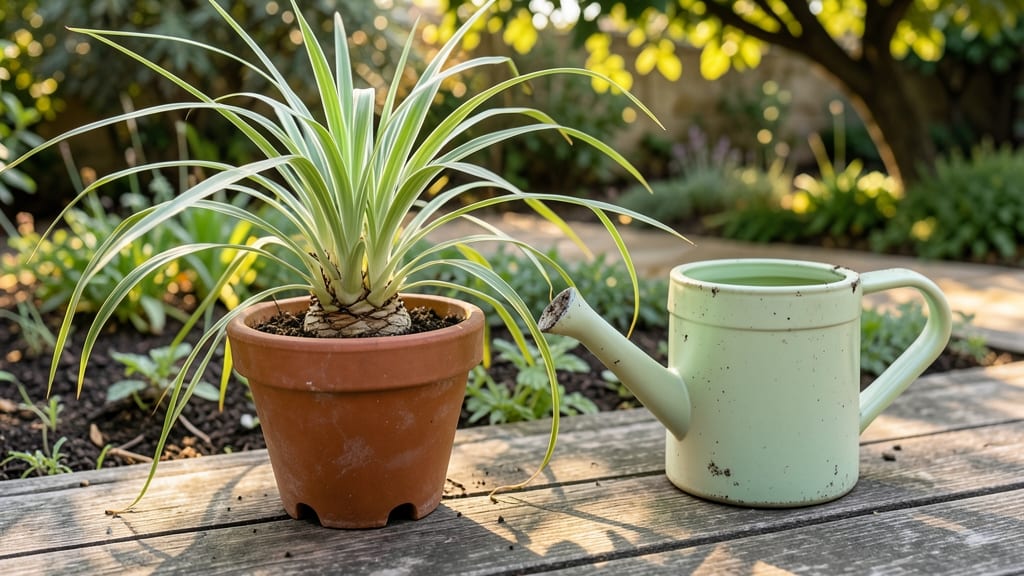
Growing lemongrass from a stalk is the easiest way to get a fresh, fragrant plant without buying one. 🌱 I've regrown lemongrass from grocery store stalks for years, and it takes less than a week to see roots forming in water—no green thumb required.
The best part? You'll have a steady supply of this citrusy herb for cooking, teas, or even homemade cleaning solutions.
All you need is a fresh lemongrass stalk (the bottom 4-5 inches), clean water, and a jar or glass. Skip the fancy supplies—this method works with what you already have at home.
The process is simple: trim the stalk, remove the lower leaves, and place it in water, changing it every few days. Within 7-10 days, you'll see roots growing, and you're ready to plant it in soil.
Once rooted, your lemongrass will grow into a bushy, aromatic plant that thrives indoors near a sunny window or outdoors in warm climates. The leaves stay tender and fragrant, perfect for adding to dishes or infusing oils. You'll never need to buy lemongrass again—just regrow it whenever you need it.
This method works year-round, whether you're in a small apartment or a spacious garden. The only challenge is keeping the water fresh, but even that's easy with a quick daily check. Let's get that stalk growing!
📚 In This Guide
- What you need
- Instructions
- Tips and common mistakes
- Wrapping up and next steps
What you need
- ● Fresh lemongrass stalk: Choose a healthy, mature stalk with at least 3-4 inches of green leaves (avoid dried or wilted ones).
- ● Clean water: 2-3 cups of room-temperature, filtered, or distilled water (chlorine-free if possible).
- ● Clear glass or jar: A wide-mouth container (8-12 oz) to hold the stalk upright.
- ● Scissors or pruning shears: Sharp and sterilized to trim the stalk cleanly.
- ○ Optional rooting hormone (optional): A small packet of natural rooting powder (like cinnamon or willow water) to speed up growth.
- ● Small pebbles or marbles: 1-2 pieces to weigh down the stalk and keep it stable.
- ● Natural sunlight or grow light: A sunny windowsill (6+ hours of indirect light) or a small LED grow light for consistent growth.
- ● Fresh water supply: A spray bottle to mist leaves and maintain humidity.
- ● Potting soil (for transplanting): Well-draining, organic soil mix (like coconut coir or peat-based soil) if you plan to move the plant outdoors.
- ● Small pot (3-4 inches wide): With drainage holes for transplanting after roots form.
Step-by-Step instructions for growing lemongrass from stalk
Here’s how to turn that leftover lemongrass into a thriving plant—no fancy tools needed.
🌱 Step 1: Select and Prepare the Lemongrass Stalk
Grab a fresh lemongrass stalk with at least 3 inches of green leaves still attached—this ensures enough energy for rooting. Trim off any wilted or brown parts at the base. The key is to expose the bottom 2-3 inches of the stalk, where the nodes (those little bumps) will sprout roots. Use a sharp knife to make a clean cut just below a node if needed.
Here's the thing—don’t wash the stalk yet. The natural oils on the skin help protect against rot. Once you’ve got your stalk ready, fill a clean glass or jar with room-temperature water until it covers the bottom 1-2 inches of the stalk. The water should reach just below the lowest node—this is where roots will emerge.
💧 Step 2: Place in Bright, Indirect Light
Set your lemongrass in a spot with bright, indirect light—think near a window with sheer curtains or under a grow light. Direct sun will scorch the leaves, and too little light means weak, slow growth. You’ll know the light is right when the leaves stay vibrant green, not yellow or brown.
Change the water every 3-4 days to keep it fresh and prevent bacteria buildup. Watch for tiny white or yellow roots sprouting from the nodes—this usually happens in 1-2 weeks, but some stalks take up to 3 weeks. Don’t rush it; patience here means stronger roots later.
🌿 Step 3: Encourage Root Growth and Transplant
Once roots reach 1-2 inches long, your lemongrass is ready to move to soil. I like to use a small pot (4-6 inches wide) with well-draining potting mix—lemongrass hates soggy roots. Gently plant the stalk so the rooted base is just below the soil surface, leaving the top half exposed. Press the soil lightly around the stalk to secure it.
Water lightly after transplanting, but don’t drown it. Keep the soil moist but not wet for the first week. You’ll see new growth within 2-3 weeks if the conditions are right. Here’s the trick: If the leaves start yellowing, you’re either overwatering or not getting enough light.
✂️ Step 4: Care for Your Regrown Lemongrass
Once established, lemongrass thrives in partial sun (4-6 hours daily) and warmth (ideally 70-85°F). Water when the top inch of soil feels dry, but avoid letting it sit in water. Fertilize lightly every 4-6 weeks with a balanced houseplant fertilizer—lemongrass isn’t a heavy feeder, so don’t overdo it.
Harvest stems as needed, but always leave at least 6 inches of growth so the plant keeps producing. If you live in a cold climate, bring your potted lemongrass indoors before temperatures drop below 50°F—it’s tender and won’t survive frost. With proper care, your regrown lemongrass can live for years and keep giving you fresh stalks.
Tips & tricks for perfect lemongrass regrowth
Here's what I've learned from growing lemongrass from stalks—these little details make all the difference between success and disappointment.
Stalk Selection Matters: In Step 1, you can't just grab any lemongrass stalk. Look for one with firm, vibrant green leaves and a white, bulbous base—this indicates a healthy plant. The stalk should feel sturdy when you gently squeeze it; if it's mushy or hollow, it won't root well. I've tried using older, dried-out stalks, and they just refused to grow roots.
Node Exposure is Critical: When preparing your stalk in Step 1, make sure to expose those bottom 2-3 inches completely. The nodes (those little bumps) are where roots will emerge, so don't cover them with water or soil. I learned this the hard way—once I accidentally submerged a node, and that side never grew roots. Keep the water level just below the lowest node!
Water Quality is Underestimated: While the instructions mention changing water every 3-4 days, I've found that using filtered or bottled water makes a big difference. Tap water can contain chlorine or fluoride that might inhibit root growth. If you must use tap water, let it sit out uncovered for 24 hours before using it to allow chlorine to evaporate. Fresh water is non-negotiable for root development!
Light Positioning Trick: For Step 2, I've noticed that placing your lemongrass on an east-facing windowsill gives it perfect morning sunlight without the harsh afternoon rays. If you don't have a suitable window, a simple LED grow light on a timer (12-14 hours/day) works wonders. The key is to avoid direct midday sun—it can burn the leaves before roots have a chance to establish.
Pro Tips for Grow Lemongrass From Stalk
- Here's what I've learned from growing lemongrass from stalks—these little details make all the difference between success and disappointment.
- Stalk Selection Matters: In Step 1, you can't just grab any lemongrass stalk.
- Node Exposure is Critical: When preparing your stalk in Step 1, make sure to expose those bottom 2-3 inches completely.
Frequently asked questions
Got questions about growing lemongrass from a stalk?
You’re not alone! Here are some of the most common concerns—and their simple solutions—to help you succeed every time.
Can I grow lemongrass from any stalk, or does it need to be fresh?
For best results, use a fresh stalk with 3–4 inches of healthy green leaves and a firm, white base. Stale or wilted stalks may rot in water. If you’re using store-bought lemongrass, look for stalks with tight, moist nodes—these are the key to root growth! If the stalk is dry or yellowing, soak it in water for 1–2 hours to rehydrate before propagating.
How long does it take for lemongrass to root in water?
Patience is key! Most stalks show roots in 1–3 weeks, but some may take up to 4–6 weeks, depending on warmth and light. Change the water every 3–4 days to prevent bacteria. Once roots are 2–3 inches long, your lemongrass is ready to transplant—just don’t rush it!
What if my lemongrass stalk rots before rooting?
Rotting is common if the stalk sits in stagnant, dirty water or lacks airflow. To fix it:
- Trim any black/mushy parts with clean scissors.
- Rinse the base in hydrogen peroxide (1 part peroxide to 4 parts water) for 5 minutes to kill bacteria.
- Use fresh, filtered water and a small jar (not a deep container) to keep the stalk submerged only at the base.
- Add a pinch of cinnamon (natural antifungal) to the water.
Can I grow lemongrass from stalk indoors without sunlight?
Lemongrass needs bright, indirect light (4–6 hours daily) to thrive. If your space is dim:
- Place the jar near a south-facing window or under a grow light (12+ hours/day).
- Avoid direct sun—it can scorch the leaves.
- Rotate the jar quarter-turn daily for even growth.
How do I know when to transplant my lemongrass to soil?
Transplant when your stalk has 2–3 inches of healthy roots and new leaves (signs it’s strong enough). Wait until the roots fill the jar—overcrowding stresses the plant. Use well-draining potting mix (add perlite or sand) and plant only the base (nodes should be just below soil level). Water lightly for the first week to avoid shock!
Can I regrow lemongrass multiple times from the same stalk?
Not indefinitely! Once you transplant to soil, the stalk won’t regrow roots again. However, you can harvest new stalks from the soil-grown plant for future water propagation. Just cut a healthy stalk with 3–4 inches of leaves and repeat the process—your lemongrass plant can produce multiple harvests per year!
Wrapping up and next steps
Growing lemongrass from a stalk is a rewarding and easy process—perfect for adding fresh, fragrant herbs to your kitchen! With just a few simple steps and a little patience, you can regrow vibrant lemongrass at home, saving money and reducing waste.
Whether you’re a beginner or a seasoned gardener, this method is a great way to keep your herb garden thriving.
Now that you’re equipped with the know-how, why not try it today? Grab a stalk from your local market or pantry, follow the steps, and enjoy the satisfaction of watching your own lemongrass grow. Happy growing! 🌱✨