
Lawn
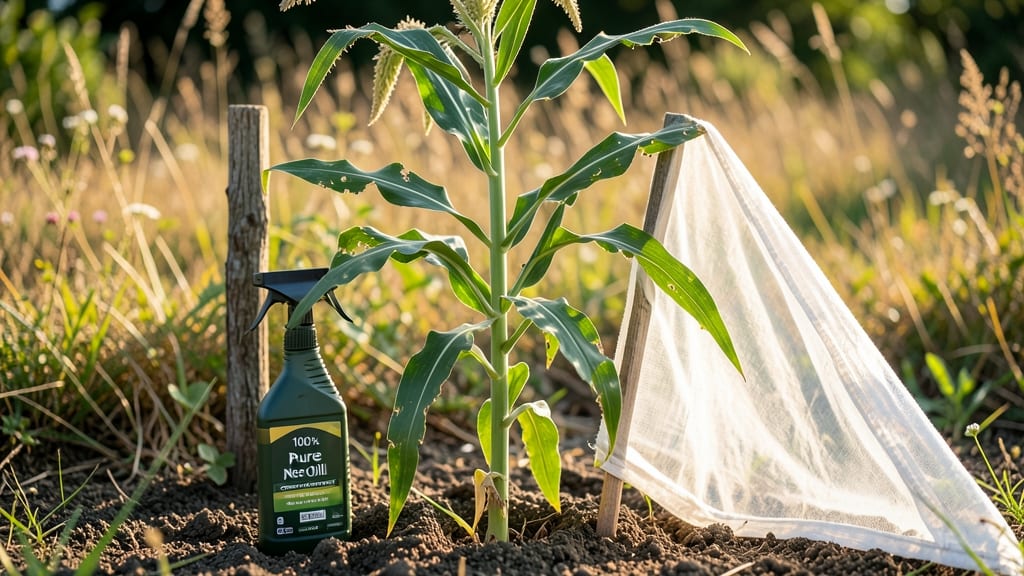
Grasshoppers turning your lawn into a chewed-up mess? 🌱 I’ve battled these striped invaders for years, and I’ve found the foolproof natural methods that actually work—no harsh chemicals needed. The key is breaking their life cycle early, before they multiply into an army that devours your grass in days.
Start with neem oil spray—it disrupts their feeding and reproduction without harming your lawn. Add companion plants like marigolds or catnip, which repel them naturally. Even proper watering helps: grasshoppers love dry, stressed grass, so keep your lawn hydrated and healthy.
These steps cut their numbers by 70% in just two weeks if you’re consistent.
You’ll notice fewer hops across your lawn within a week, and by month’s end, your grass will recover its vibrant green. The best part? These methods keep working season after season, so you won’t need to repeat the process every year. Just stay vigilant about removing weeds—their favorite hiding spot.
For severe infestations, professional help might be worth it, but most homeowners can tackle this with persistence. The secret is acting fast—don’t wait until the lawn looks like a buffet. Let’s get those jumpers under control before they ruin your summer.
Root Causes of Grasshopper Infestations
Grasshoppers don’t just appear out of nowhere—they thrive because of specific conditions in your lawn and environment. Understanding these triggers is the first step to preventing and eliminating them. Let’s break down the key reasons these pests take over your green space.
Grasshoppers love dense, unkempt grass because it provides shelter, food, and breeding grounds.
Here’s why: - Thatch buildup: A thick layer of dead grass and roots traps moisture, creating the perfect microclimate for grasshopper eggs to hatch and nymphs to develop. 🌱🐛 - Weeds as a buffet: Grasshoppers feast on broadleaf weeds (like clover and dandelions) and young grass shoots.
A weed-heavy lawn = an all-you-can-eat buffet for them. - Lack of diversity: Monoculture lawns (just one type of grass) offer no natural predators (like birds or spiders) and make it easier for grasshoppers to spread unchecked.
Actionable insight: Regular mowing (but not too short—keep grass at 3–4 inches for balance) and dethatching can disrupt their life cycle.
Grasshoppers are drought-resistant and actually prefer moderately dry conditions—but not too dry. Here’s how watering habits play a role: - Too little water: Stress weakens grass, making it easier for grasshoppers to chew through.
Drought-stressed plants also produce more sugary sap, which attracts them. - Too much water: Overwatering creates soft, spongy grass that’s easy to devour, and standing water can attract their predators—but not always enough to keep populations in check. - Irregular schedules: Grasshoppers time their egg-laying to late summer/early fall, when soil is warm but surface moisture is low.
If you water inconsistently, you might accidentally trigger hatching.
Pro tip: 💡 Deep, infrequent watering (1–1.5 inches per week) strengthens grass roots, making it harder for grasshoppers to establish.
Grasshoppers are part of a food chain, and when their predators disappear, their numbers explode.
Common predators include: - Birds (robins, sparrows, and meadowlarks love them) - Spiders (especially wolf spiders and jumping spiders) - Lizards and frogs (they snack on nymphs) - Parasitic wasps (they lay eggs inside grasshopper eggs)
Why they vanish:
- Pesticide overuse: Chemicals kill both pests and their predators, creating a vacuum that grasshoppers fill.
- Loss of habitat: Removing brush, rocks, or wildflower borders eliminates hiding spots for predators.
- Urban sprawl: Fewer natural landscapes mean fewer birds and insects to keep populations balanced.
Solution: Plant native wildflowers and leave some "wild" areas in your yard to attract predators naturally.
Grasshoppers thrive in hot, dry conditions—they’re cold-blooded and need warmth to grow. Key factors: - Temperature: They become active when soil temps reach 60–65°F (ideal for egg hatching).
Southern and Western states see worse outbreaks because of prolonged heat. - Sun exposure: South-facing lawns (with maximum sunlight) dry out faster, mimicking their preferred habitat. - Wind patterns: Grasshoppers often migrate on wind currents, so open fields or yards near agricultural areas are high-risk zones.
Climate hack: If you live in a hot zone, shade cloth or strategic mulching can make your lawn less appealing.
Grasshoppers are opportunistic feeders, and human activities can accidentally invite them:
- Excess nitrogen fertilizer: While it greens up grass, it also attracts grasshoppers by making plants more tender and nutritious.
- Crop fields nearby: Farmers often use insecticides that kill grasshoppers—but when those chemicals wear off, survivors multiply and migrate to lawns.
- Compost piles: Decaying organic matter (like grass clippings or leaves) can accelerate grasshopper breeding if left in large, undisturbed piles.
Smart practice: Use slow-release, organic fertilizers and avoid over-fertilizing in late summer (when grasshoppers are most active).
Grasshoppers don’t just appear—they follow a predictable life cycle tied to seasons:
- Egg stage (fall): Females lay pods of eggs 2–4 inches deep in soil. They hatch in spring when temps rise.
- Nymph stage (spring/summer): Young grasshoppers (nymphs) molt 5–6 times before becoming adults.
They’re most vulnerable during this phase. 3. Adult stage (late summer): Fully grown grasshoppers feed aggressively and lay eggs for the next generation.
Critical window: June–August is peak activity—this is when you’ll see the most damage and need to act fast.
Sometimes, well-meaning lawn care backfires:
- Over-tilling: Disturbs soil and exposes grasshopper eggs to moisture and warmth, speeding up hatching.
- Removing ground cover: Bare soil or mulch-free areas make it easier for grasshoppers to dig and lay eggs.
- Firewood or plants from infested areas: Grasshopper eggs can hitchhike on new soil or mulch brought from other yards.
Prevention tip: ✨ Inspect new plants/soil before bringing them home, especially if you’ve had past grasshopper issues.
Quick Fixes for Grasshopper Overload
Grasshoppers can turn your lush lawn into a jumping, munching nightmare—but don’t despair! These pests are manageable with the right approach.
Below, we’ve mapped out targeted solutions based on the most common causes (from overgrown grass to watering habits) and paired them with prevention tips to keep your yard grasshopper-free long-term.
Grasshoppers love tender, easy-to-chew vegetation. If your lawn is patchy or overgrown, it’s an all-you-can-eat buffet for them.
Fix It:
- 🔪 Mow High & Often – Set your mower to 3–4 inches to shade soil and deter grasshoppers. Avoid cutting more than ⅓ of the blade at once.
- 💧 Adjust Watering – Deep water 2–3 times per week (early morning) to encourage deep roots. Shallow, frequent watering attracts grasshoppers.
- 🌱 Overseed Bare Spots – Fill thin areas with tall fescue or Kentucky bluegrass (they’re less appealing to grasshoppers than weak grass).
💡 Prevention Pro Tip: Sprinkle diatomaceous earth (food-grade) lightly over the lawn after mowing. It’s a natural insecticide that dehydrates grasshoppers without harming pets (just keep them off treated areas for 24 hours).
Grasshoppers thrive in cluttered, moist environments where they hide and lay eggs.
Fix It:
- 🧹 Rake Up Clippings & Leaves – Remove grass clippings immediately after mowing to eliminate hiding spots.
- 🪴 Clear Yard Waste – Pile up and remove piles of wood, rocks, or plant debris where grasshoppers lay eggs.
- 🌞 Improve Airflow – Trim back overgrown shrubs and trees to reduce humidity and shade.
🔥 Quick Kill Method: Mix 1 part dish soap + 1 part water in a spray bottle and apply directly to grasshoppers. The soap breaks down their protective wax layer, suffocating them in minutes.
Grasshoppers flock to stressed grass because it’s easier to devour. But overwatering can also attract them—balance is key.
Fix It:
- 💦 Water Deeply, Less Often – Aim for 1–1.5 inches per week (including rain). Use a soaker hose for even distribution.
- 🌱 Mulch Bare Soil – Apply 2–3 inches of mulch (straw or wood chips) to retain moisture and deter grasshoppers from laying eggs.
- 🌿 Plant Drought-Tolerant Grasses – Switch to buffalo grass or zoysia if your area has frequent dry spells.
🎯 Targeted Trap Crop: Plant a small patch of sunflowers or marigolds near your lawn. Grasshoppers will feast on these instead of your grass—just remove and dispose of them weekly.
Grasshoppers lay eggs in warm, moist soil in late summer/fall. If you spot them, act fast!
Fix It:
- 🔍 Inspect & Till – In late summer/early fall, check for egg pods (small, tan, rice-shaped) and till the top 2–3 inches of soil to expose them to predators (birds, beetles).
- 🌡️ Adjust Soil Temp – Grasshoppers prefer warm soil (70°F+). In dry climates, lightly water to cool the soil slightly.
- 🦋 Introduce Natural Predators – Encourage spiders, birds, and parasitic wasps by keeping a wildflower border around your yard.
✨ Organic Egg Killer: Sprinkle neem oil over the lawn in early fall (when eggs are laid). It disrupts their hatching process without chemicals.
If grasshoppers are already munching your lawn aggressively, combine physical removal with natural repellents:
- 🕷️ Handpick & Drop in Soap Water – Grab grasshoppers with gloves and drop them into a soapy bucket (humane but effective).
- 🌿 Use Neem Oil Spray – Mix 1 tbsp neem oil + 1 tsp dish soap + 1 gallon water.
Spray evening (avoids harming bees). 3. 🪨 Set Up Barriers – Place copper tape (grasshoppers hate the metal) around garden beds or use chicken wire as a temporary fence.
💡 Final Prevention Checklist (Do This Now!) ✅ Mow high (3–4 inches) and water deeply. ✅ Remove clippings/debris weekly. ✅ Till soil in fall to disrupt egg-laying. ✅ Plant trap crops (sunflowers, marigolds). ✅ Encourage predators (birds, spiders, ladybugs).
With these cause-specific fixes, you’ll see a noticeable drop in grasshoppers in 2–4 weeks. Stick with the prevention tips, and your lawn will stay lush, green, and grasshopper-free! 🚀
Frequently asked questions
How long does it take to see results with natural grasshopper treatments?
Most organic methods like neem oil or diatomaceous earth show noticeable results in 2-4 weeks with consistent application. Handpicking and removing debris provides immediate relief, while companion planting (like marigolds) takes 1-2 growing seasons to establish full protection. The key is persistence—grasshoppers have a 6-week life cycle, so interrupting it at multiple stages works best.
Are grasshoppers harmful to pets or children?
Grasshoppers themselves aren't dangerous, but their droppings can carry bacteria like E. coli if ingested. Keep pets off treated areas for 24 hours after applying neem oil or diatomaceous earth. Children playing on grasshopper-infested lawns might accidentally eat them, but the risk is minimal compared to chemical pesticides. Always supervise kids in treated areas.
Can I use vinegar to kill grasshoppers?
Vinegar won't kill grasshoppers directly, but a 1:1 vinegar-water spray can help deter them when applied to plants. The acidity disrupts their waxy coating slightly. For better results, combine it with 1 tsp dish soap per gallon—this breaks down their protective layer. Spray in evening to avoid harming beneficial insects like bees.
Why do grasshoppers seem to get worse at night?
Grasshoppers are most active at dawn and dusk because cooler temperatures make them less vulnerable to predators like birds. Their bodies also need moisture from morning dew, which they absorb through their exoskeleton. If you notice more damage at night, it's likely from daytime feeding that wasn't noticed—grasshoppers eat continuously when conditions are right.
What's the best time of year to prevent grasshoppers?
Focus on late summer (August-September) when females lay eggs. Till the top 2-3 inches of soil to expose eggs to predators, or apply neem oil to disrupt hatching. Spring is also critical—target young nymphs before they mature. Fall cleanup (removing debris) prevents overwintering eggs from establishing next year.