
Lawn
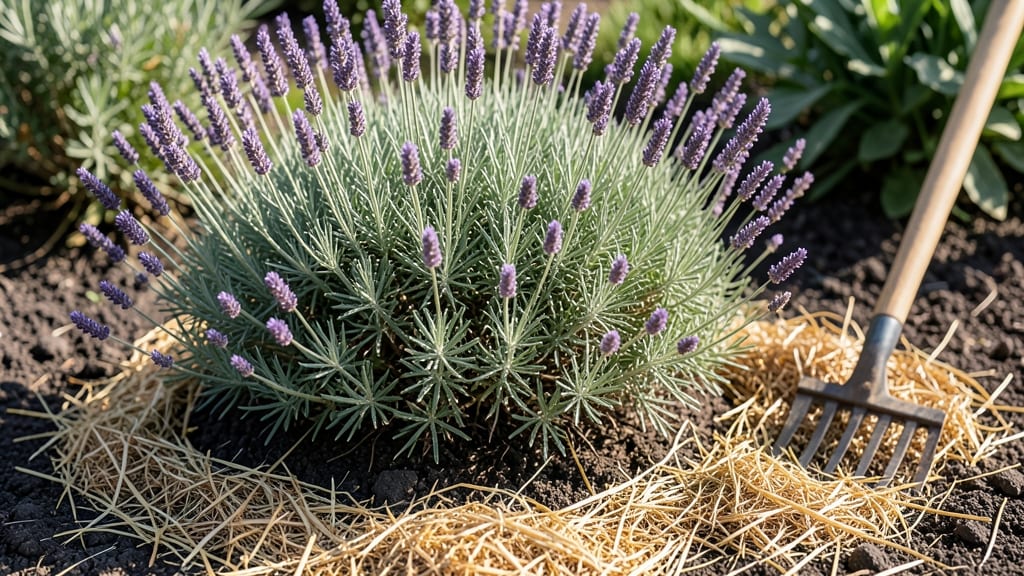
Using dry grass clippings for mulch creates a natural ground cover that locks in soil moisture, blocks weed growth, and gradually releases nitrogen as they break down. This organic layer also protects plant roots from temperature swings. Just remember to mow high and let clippings dry completely before applying.
When clippings decompose, they form a nutrient-rich blanket that feeds your soil over time—think of it as free fertilizer. 🌱 Unlike synthetic mulches, this organic option improves soil structure while reducing water evaporation, which is especially helpful during dry spells.
The key is proper preparation: drying clippings first prevents matting and fungal growth, while the right thickness (about 1-2 inches) ensures maximum benefits without smothering plants.
This method works best in gardens, flower beds, and around shrubs where you want to minimize maintenance. For lawns, it's a game-changer for reducing water bills and chemical weed killers.
Just avoid using them near delicate plants that prefer well-drained soil, as the nitrogen boost can sometimes be too intense for sensitive varieties.
💡 In This Article
- How Dry Grass Clippings Improve Soil Fertility
- Best Practices for Applying Grass Clipping Mulch
How dry grass clippings improve soil fertility
When grass clippings decompose, they release nitrogen in a slow, steady process called mineralization. Fresh clippings contain about 2-4% nitrogen by weight, but as microbes break them down, this nitrogen becomes available to plants in forms like ammonium (NH₄⁺) and nitrate (NO₃⁻).
This contrasts with synthetic fertilizers that deliver nitrogen all at once, potentially burning plants. The organic release creates a more balanced nutrient cycle, similar to how compost works but with a faster timeline—typically 4-8 weeks for complete breakdown.
The decomposition process also improves soil structure by adding organic matter that enhances water retention. Studies show grass clipping mulch can increase soil moisture by 20-30% compared to bare soil, while reducing evaporation rates.
Unlike wood chips (which can deplete nitrogen as they decompose), grass clippings provide a net gain—about 0.5-1.5 pounds of nitrogen per 100 square feet annually. The potassium and phosphorus in clippings further boost plant health, though these nutrients release more slowly than nitrogen.
This organic mulch also creates a microclimate that supports beneficial soil organisms. Earthworms and fungi thrive in the slightly acidic environment (pH 6.0-7.0), which helps break down clippings faster. The resulting humus improves soil aeration while holding nutrients near plant roots.
For comparison, a 2-inch layer of dry clippings provides roughly the same nitrogen as 1 pound of 10-10-10 fertilizer per 100 square feet—without the risk of over-fertilization.
However, the benefits depend on proper preparation. Wet clippings create a mat that blocks air and water, while overly thick layers (3+ inches) can suffocate plants. The ideal decomposition occurs when clippings are 50-70% dry, creating a crumbly texture that breaks down uniformly.
This balance ensures nitrogen release matches plant demand, preventing nutrient runoff that harms nearby waterways.
One often-overlooked advantage is the mulch's ability to moderate soil temperature. In summer, it keeps roots 5-10°F cooler than exposed soil, while in winter it insulates against freezing. This temperature regulation extends growing seasons for sensitive plants like tomatoes and peppers.
The mulch's dark color also absorbs sunlight, which slightly warms the soil—an effect you'll notice when comparing mulched beds to bare soil on sunny days.
For best results, mix clippings with existing mulch or compost rather than applying them in thick layers. This creates a more stable decomposition environment and prevents clumping. Over time, you'll see healthier plants with deeper root systems and fewer weeds—all from what would otherwise be yard waste. 🌱