
Planting
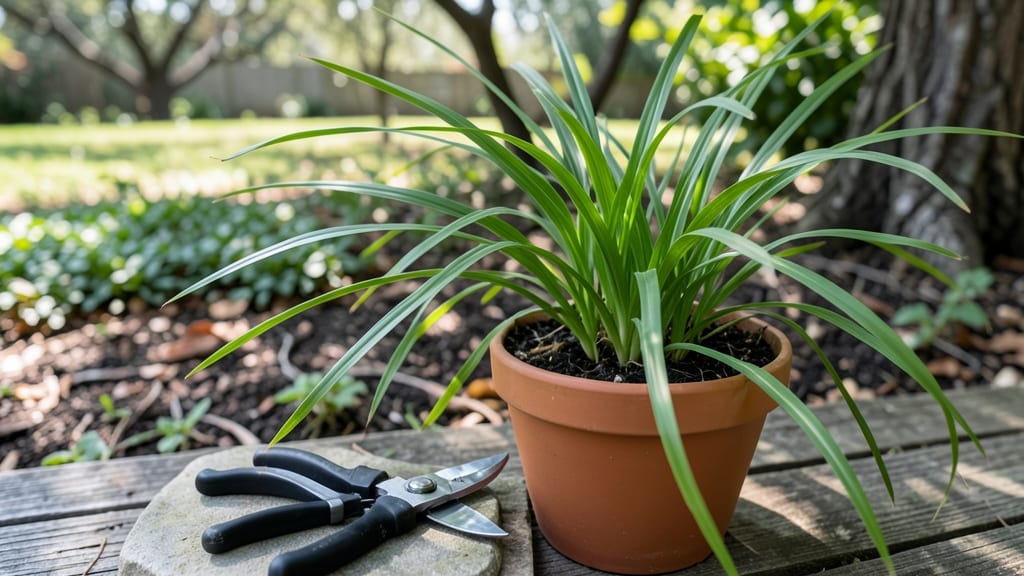
Cutting lemongrass the right way means never saying goodbye to fresh stems again. ✂️ This fragrant plant doesn't just survive trimming—it thrives, sending up new growth that tastes even brighter than before. The secret lies in timing, technique, and knowing exactly where to make your cuts.
You'll need sharp pruning shears (or a clean knife), gloves to protect your hands from the sharp edges, and a sunny spot where your plant gets at least 6 hours of light daily.
The best time to cut is right after harvest, when the plant's energy is focused on recovery. Never trim more than 1/3 of the plant at once, or you'll stunt its ability to bounce back.
What you'll end up with is a plant that keeps producing fresh stems for years, with each harvest tasting more intense than the last. The regrowth comes back faster and stronger than store-bought plants, and you can even propagate cuttings to share with friends or expand your garden.
Works in containers or in-ground, in tropical climates or as a houseplant with enough light. The key is patience—lemongrass takes about 6-8 weeks to regrow after a cut, but the payoff is worth every week of waiting.
📚 In This Guide
- What you need
- Instructions
- Tips and common mistakes
- Wrapping up and next steps
What you need
- ● Healthy lemongrass plant(s) – Choose mature stalks (at least 12-18 inches tall) with firm, green leaves. Avoid plants showing signs of yellowing or disease.
- ● Sharp pruning shears or a clean, sharp knife – A sterilized blade (rubbing alcohol wipe) prevents bacterial spread. Specs: 4-6 inch blade for precision.
- ○ Gloves (optional but recommended) – Protects hands from sap and sharp edges. Opt for gardening gloves with grip for stability.
- ● Watering can or hose with a gentle nozzle – For post-cut hydration. Tip: Use room-temperature water to avoid shocking the plant.
- ● Well-draining potting mix or garden soil – If propagating cuttings, use a mix with 50% peat/coir + 50% perlite/sand for aeration.
- ● Small pots or containers (3-4 inches wide) – For rooting cuttings. Quantity: 1 per cutting (or reuse clean containers).
- ○ Rooting hormone (optional but helpful) – Speeds up root growth. Choose a gel or powder labeled for herbs.
- ● Disinfectant spray (e.g., hydrogen peroxide 3%) – Spray cuts to prevent infection.
- ● Plastic wrap or humidity dome – Creates a mini greenhouse for cuttings (remove once roots form).
- ● Label markers – To track cutting dates and varieties if propagating multiple types.
- ● Mulch or straw – Protects the base of the plant after cutting to retain moisture.
Step-by-step instructions for cutting and propagating lemongrass
Here’s how I keep my lemongrass thriving—cutting back just right ensures fresh stems and new plants.
✂️ Step 1: Identify the Right Stems to Cut
Wait until your lemongrass reaches 12–18 inches tall—that’s when the base is thick enough to regrow. Look for three or four mature stalks clustered together; these are your harvest targets. Avoid cutting stems that are still thin and green at the base, as they won’t regenerate well.
Grip the base of the stalk firmly and twist gently until it snaps cleanly. You’ll hear a satisfying pop—that’s the sound of a healthy break. If it resists, don’t force it; let it grow another week. Each cut stem should have a white, fibrous root base still attached—this is key for propagation.
🌱 Step 2: Prepare Stems for Regrowth and Propagation
After cutting, trim the bottom 2–3 inches of each stalk to remove any damaged or brown parts. This exposes fresh nodes (those little bumps along the stem) where new roots will form. For propagation, separate the stalks and place them in a jar of lukewarm water, ensuring the nodes are submerged—not the leaves. Change the water every 3–4 days to prevent rot.
For the mother plant, leave one or two healthy stalks standing. These will sprout new shoots from the base within 2–3 weeks. If you cut too aggressively, the plant may go dormant—so always leave at least one sturdy stem behind.
💧 Step 3: Encourage Regrowth and Monitor Water Needs
Keep the soil around the mother plant evenly moist but not soggy—lemongrass roots need air. Water deeply once a week (or more in hot weather) until you see new shoots pushing through the soil. These will appear as thin, bright green growth at the base of the remaining stalks.
For your water-propagated stems, roots should form in 2–4 weeks. Once they’re 1–2 inches long, transplant them into 4-inch pots with well-draining soil. Bury the stems 1–2 inches deep—only the nodes need to touch soil for roots to establish.
☀️ Step 4: Position for Optimal Growth
Place your lemongrass in full sun to partial shade (at least 6 hours of sunlight daily). In hot climates, afternoon shade prevents scorching. You’ll know it’s thriving when the leaves are bright green and upright, not floppy or yellowing.
Harvest new growth every 4–6 weeks by cutting just above the lower leaves. This encourages bushier regrowth. If your plant ever looks leggy or sparse, it’s time to cut back again—just repeat Step 1 and let nature take over.
⏰ Step 5: Time Your Cuts for Continuous Harvests
Plan your cuts in early spring or late summer for the best regrowth. Avoid winter cuts—lemongrass grows slowly in cold weather. With this method, you’ll have fresh stems year-round and 4–6 new plants from a single mother plant.
Real talk: Over-cutting is the #1 mistake. If your plant slows down, let it recover. A happy lemongrass plant will keep giving—just like a well-tended friend.
Tips & tricks for perfect lemongrass cutting and propagation
Let me save you the trial-and-error of figuring out what works with lemongrass—these are the hard-won lessons from years of growing my own.
The Height Factor: Those 12–18 inches are non-negotiable for regrowth. I learned this the hard way after cutting stems too early and watching them wither. The thicker the base, the better the plant's ability to regenerate. Look for stalks that feel sturdy when you gently squeeze them—this is your green light to harvest.
Root Base Matters: That white, fibrous root base you see when you cut is where all the magic happens. If you accidentally snap off a stem without it, don't toss it—place it in water immediately. I've successfully propagated stems this way, though it may take slightly longer (closer to 3–4 weeks) for roots to form.
Water Propagation Wisdom: When you're changing that water every 3–4 days, here's what nobody tells you—use filtered or room-temperature water. Tap water with chlorine can stress the nodes, slowing root development. I keep a separate jar just for my lemongrass cuttings, and it makes a noticeable difference in how quickly they take hold.
Sunlight Secret: Those 6 hours of sunlight are your minimum, but don't stop there. In my experience, lemongrass actually thrives with 8–10 hours of morning sun and afternoon shade. This balance prevents the leaves from turning yellow while keeping the plant productive. I notice a significant difference in flavor when my plants get this ideal light exposure.
Pro Tips for Cut Lemongrass Plant
- Let me save you the trial-and-error of figuring out what works with lemongrass—these are the hard-won lessons from years of growing my own.
- The Height Factor: Those 12–18 inches are non-negotiable for regrowth.
- Root Base Matters: That white, fibrous root base you see when you cut is where all the magic happens.
Frequently asked questions
Got questions about cutting and propagating lemongrass? Here are some of the most common concerns—plus expert answers to keep your plants thriving!
When is the best time to cut lemongrass for propagation?
The ideal time is spring or early summer when the plant is actively growing. Avoid cutting during dormancy (fall/winter) or after flowering, as this stresses the plant. Morning cuts work best—fresh stems regrow faster in warm, sunny conditions.
How much of the lemongrass plant should I cut back?
Leave 4–6 inches of the base (about 10–15 cm) to encourage regrowth. Cutting too low risks stunting future harvests, while leaving too much may slow down new shoots. Pro tip: Use sharp pruners for clean cuts—no jagged edges!
Can I use lemongrass cuttings from the grocery store for propagation?
Yes, but with caution! Store-bought lemongrass is often treated with preservatives to delay spoilage. Rinse the stems thoroughly, soak in water for 24 hours, and trim the base before planting. Success rate: ~50–70%—patience is key!
Why isn’t my lemongrass regrowing after cutting?
Common culprits:
- Poor soil drainage (lemongrass hates soggy roots).
- Lack of sunlight (6+ hours daily is ideal).
- Over-cutting (wait 2–3 months between harvests).
- Cold temperatures (below 50°F/10°C stalls growth).
Try repotting in well-draining soil and moving to a sunnier spot. If the base rots, start fresh with new cuttings!
What’s the best alternative if my lemongrass won’t propagate?
If your cuttings fail, try these lemongrass-friendly swaps:
- Citronella (similar scent, easier to grow).
- West Indian lemongrass (Cymbopogon citratus) (hardier, faster regrowth).
- Ginger or galangal (related rhizomes for culinary use).
Bonus: Store-bought lemongrass paste or powder works in a pinch for recipes!
Wrapping up and next steps
Cutting and propagating your lemongrass plant is a rewarding way to enjoy fresh, flavorful stems all year long! 🌱 With the right tools and techniques—like using sharp pruners, selecting healthy stalks, and keeping the base moist—you’ll have thriving new plants in no time.
Whether you’re growing for cooking or sharing with fellow gardeners, this simple process ensures a steady harvest without breaking the bank.
Now that you’re armed with these propagation secrets, why not take the next step? Try experimenting with different growing conditions or even gifting cuttings to friends who love fresh herbs. Happy gardening—your kitchen (and taste buds) will thank you! 🍋✨