
Diseases
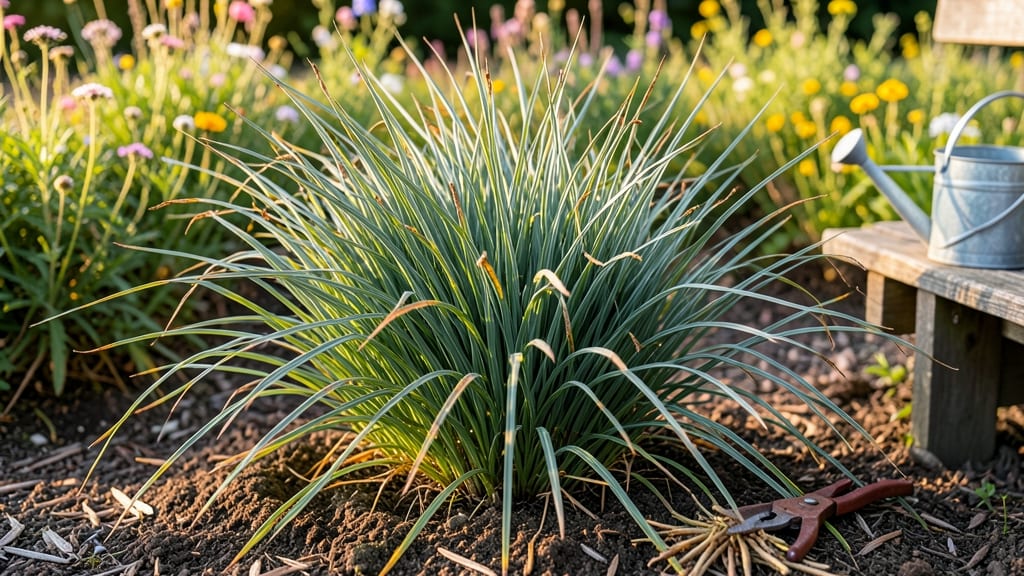
Monkey grass turning yellow is the fastest way to ruin a polished garden edge. 🌱 I’ve nursed back more than a dozen patches of this resilient plant—here’s exactly what’s killing yours and how to bring it back to that deep, glossy green. The usual suspects?
Overwatering (roots drowning in soggy soil), poor drainage (water pooling instead of draining), or nutrient starvation (thin, pale leaves screaming for food). Even pests like grubs munching on roots can turn those blades yellow overnight. The good news?
Most fixes take less than an hour and a handful of supplies you already have. Start by checking the soil—it should feel like a damp sponge, not a swamp.
Amend heavy clay with compost, adjust your watering to once a week (or when the top 2 inches dry out), and feed it with a balanced fertilizer. Within 2-3 weeks, you’ll see new growth pushing through, vibrant and healthy.
Prevention is easier than cleanup: mulch heavily in summer to retain moisture, avoid compacting soil around the roots, and monitor for pests after heavy rains. Your monkey grass will bounce back—promise.
Root Causes Behind Yellowing Monkey Grass
When your Dichondra repens (commonly called monkey grass) starts turning yellow, it’s usually a cry for help from the plant. Understanding the underlying triggers lets you address the issue before it spreads.
Below, we break down the most common reasons—each with a clear scientific explanation and actionable insights to help you revive your plant.
Monkey grass thrives in well-draining soil, and when it sits in soggy conditions, roots suffocate from a lack of oxygen. This leads to anaerobic conditions, where harmful bacteria and fungi thrive, causing root rot. Yellowing leaves—often starting at the bottom—are a classic sign of waterlogged stress.
Why it happens:
- Excess moisture triggers ethylene production, a plant hormone that accelerates leaf senescence (aging).
- Clay or compacted soil prevents water from draining, trapping moisture around roots.
- Overpotting or using containers without drainage holes worsens the issue.
What to do:
- Check soil moisture by sticking your finger 1–2 inches deep—water only if it’s dry.
- Amend heavy soil with perlite or sand (20–30% mix) to improve aeration.
- Repot in a container with drainage holes if needed, using a cactus/succulent mix.
While monkey grass is drought-tolerant, prolonged dryness causes osmotic stress, where the plant struggles to absorb water and nutrients. Leaves curl, yellow, and may develop crispy edges as cells lose turgor pressure.
Why it happens:
- Insufficient soil moisture disrupts nutrient uptake, leading to chlorosis (yellowing due to lack of chlorophyll).
- High temperatures increase transpiration (water loss), outpacing root absorption.
- Shallow root systems in young plants make them vulnerable to quick drying.
What to do:
- Water deeply once a week (adjust for climate—more in heat, less in humidity).
- Use mulch (straw or bark) to retain soil moisture.
- Move potted plants to partial shade during extreme heat to reduce water loss.
Monkey grass is a light feeder, but yellowing often signals a lack of key nutrients. Nitrogen deficiency causes general yellowing (starting with older leaves), while iron deficiency leads to interveinal chlorosis (yellowing between veins).
Why it happens:
- Nitrogen (N) is crucial for chlorophyll production. Without it, leaves turn pale yellow.
- Iron (Fe) is needed for chlorophyll synthesis, but high pH (>7.0) soil locks it out, even if present.
- Over-fertilizing with phosphorus/potassium can imbalance nitrogen uptake.
What to do:
- Test soil pH—aim for 6.0–7.0. Add sulfur or peat moss to lower pH if needed.
- Apply a balanced fertilizer (10-10-10) or fish emulsion for nitrogen.
- Use chelated iron supplements if chlorosis persists (especially in alkaline soil).
Yellowing paired with spots, wilting, or mushy stems may indicate a pathogen. Fungal diseases like Fusarium or Phytophthora thrive in wet conditions, while bacterial leaf spot (Xanthomonas) causes yellow halos around lesions.
Why it happens:
- Fungi (e.g., Rhizoctonia) attack roots, blocking nutrient transport, leading to yellowing.
- Bacteria clog xylem vessels, preventing water flow and causing blight.
- Poor air circulation or overhead watering spreads spores.
What to do:
- Remove infected leaves/stems immediately and dispose of them.
- Apply copper fungicide or neem oil for fungal/bacterial control.
- Space plants 3–6 inches apart for airflow and water at the base.
Monkey grass prefers warmth (70–90°F) and bright, indirect light. Extreme cold (<50°F) or direct sunburn damages cells, causing yellowing and browning.
Why it happens:
- Cold drafts slow metabolism, leading to chlorosis.
- UV exposure breaks down chlorophyll, causing photobleaching (yellow patches).
- Leggy growth in low light weakens the plant, making it prone to stress.
What to do:
- Move plants to a sunny window or patio (avoid harsh afternoon sun).
- Use shade cloth (30–50%) if growing outdoors in hot climates.
- Protect from cold snaps with row covers or bring potted plants indoors.
Pro Tip: 💡 Keep a plant journal to track watering, light, and fertilizer changes—this helps pinpoint patterns in yellowing.
Quick fixes for reviving yellowing monkey grass
If your Dichondra repens (monkey grass) is losing its vibrant green hue, don’t panic—there’s hope! Yellowing leaves are often a sign of stress, but with the right care, your grass can bounce back to its lush, ground-hugging glory.
Below are targeted solutions based on the most common causes, along with easy-to-follow steps to restore your plant’s health.
Yellowing from soggy soil is one of the most common issues, especially in clay-heavy or compacted ground. Monkey grass thrives on consistent moisture but hates waterlogged roots. Here’s how to fix it:
- 🔥 Step 1: Check the Soil Stick your finger about 1–2 inches into the soil. If it feels damp or mushy, your plant is getting too much water. If it’s bone-dry, you’ve been underwatering (but we’ll cover that next!).
- 🍳 Step 2: Improve Drainage Amend heavy or compacted soil with:
- 2–3 inches of organic compost or aged manure
- Perlite or coarse sand (1 part perlite to 3 parts soil)
- Pine bark fines for better aeration
- 👨🍳 Step 3: Adjust Watering Habits
- Water deeply but infrequently—aim for 1 inch per week (including rainfall).
- Water in the early morning to reduce evaporation and fungal risks.
- Avoid overhead sprinklers; use a soaker hose or drip irrigation to keep leaves dry.
- ⏰ Step 4: Monitor and Mulch Apply a 2-inch layer of mulch (straw, wood chips, or pine needles) to retain moisture and regulate soil temperature. Recheck soil moisture weekly.
💡 Pro Tip: If your yard has poor drainage, consider planting monkey grass in raised beds or containers with drainage holes.
Crispy, yellowing edges or wilting grass? Your monkey grass might be thirsty. Unlike some drought-tolerant plants, this ground cover prefers consistent moisture—especially in hot, dry climates.
- 🔥 Step 1: Test Soil Moisture Dig down 2 inches—if the soil is dry, it’s time to water. If it’s still moist, hold off for a few more days.
- 🍳 Step 2: Deep Watering Technique
- Water until the soil is 6–8 inches deep (use a moisture meter if unsure).
- For large areas, use a garden fork to poke holes and let water seep in deeper.
- 👨🍳 Step 3: Schedule Consistent Watering
- Water 2–3 times per week in extreme heat (or daily if temperatures exceed 90°F).
- Group watering sessions in the morning or evening to minimize evaporation.
- 🌡️ Step 4: Shade Relief (Temporary Fix) If your grass is in a full-sun area, provide afternoon shade with a lightweight shade cloth (30–50%) until it recovers.
💡 Pro Tip: If your grass is already severely yellow, trim back the damaged parts to encourage new growth. Healthy roots will sprout fresh green shoots!
Monkey grass loves sunlight but can scorch in intense heat, especially in hot, dry climates. Yellowing leaves with brown tips are classic signs of sunburn.
- 🔥 Step 1: Assess Sun Exposure If your grass is in 6+ hours of direct sun daily, it may need protection. Observe if yellowing worsens in the afternoon (2–5 PM).
- 🍳 Step 2: Provide Afternoon Shade
- Use a lightweight shade cloth (30–40%) over the area for 2–4 weeks.
- Plant taller, shade-tolerant companions (like Carex or Liriope) nearby for natural shade.
- 👨🍳 Step 3: Boost Hydration Increase watering frequency during heatwaves (see Underwatering section above).
- 🥗 Step 4: Fertilize for Heat Recovery Apply a balanced, slow-release fertilizer (10-10-10) to help the grass recover. Avoid high-nitrogen fertilizers, which can stress the plant further.
💡 Pro Tip: If you’re in a USDA Zone 9–11, consider choosing heat-tolerant varieties like ‘Silver Falls’ or ‘Emerald Falls’ for future plantings.
Yellowing leaves with mushy stems, black spots, or a foul smell could signal fungal infections or root rot. Act fast to prevent spread!
- 🔥 Step 1: Identify the Problem
- Root rot: Soil smells sour, stems are soft/mushy, and roots are brown/black.
- Fungal leaf spot: Yellow patches with dark borders, often on older leaves.
- 🍳 Step 2: Prune and Remove Affected Areas
- Cut back all yellowed or spotted leaves with clean, sterilized scissors.
- Dig up and discard severely infected plants (don’t compost them!).
- 👨🍳 Step 3: Improve Airflow and Dryness
- Space plants 12–18 inches apart for better airflow.
- Avoid overhead watering; use drip irrigation instead.
- 🔪 Step 4: Apply Fungicide (If Needed)
- For mild cases: Spray with a copper fungicide or baking soda mix (1 tsp baking soda + 1 quart water + a drop of dish soap).
- For severe root rot: Treat with hydrogen peroxide (3%) (1 part peroxide to 10 parts water) to kill fungi.
- ⏰ Step 5: Adjust Soil pH (If Acidic) Test your soil pH—monkey grass prefers 6.0–7.0. If it’s too acidic (<6.0), amend with lime.
💡 Pro Tip: After treatment, sterilize your tools with rubbing alcohol to prevent reinfection.
Pale yellow leaves (especially on newer growth) may indicate a nitrogen deficiency, while yellowing with green veins suggests iron or magnesium issues.
- 📊 Step 1: Test Your Soil Use a DIY soil test kit or send a sample to a local extension office to check for deficiencies.
- 💪 Step 2: Fertilize Based on Needs