
How To
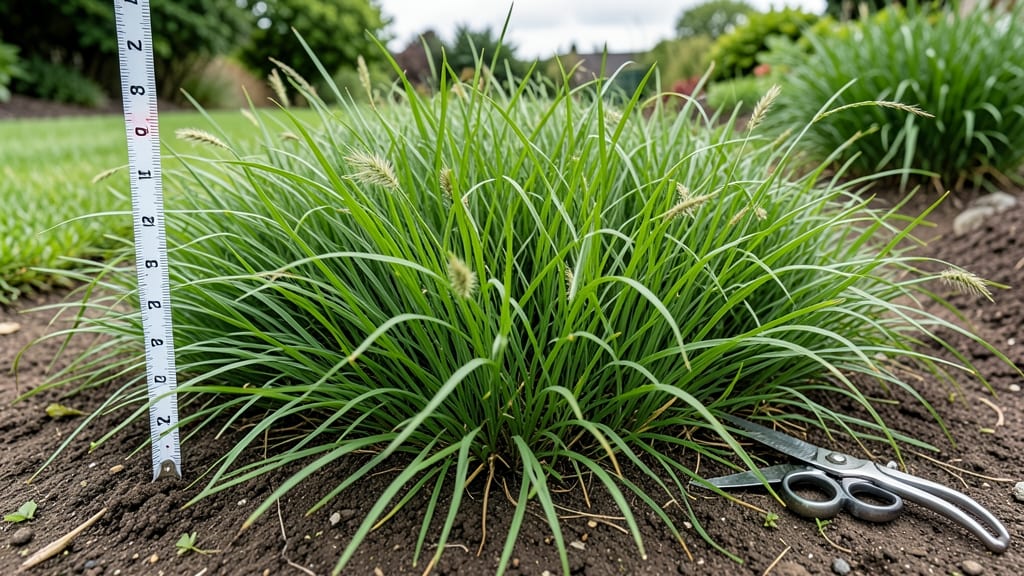
If you leave grass uncut, it can grow up to 4 feet tall—though the exact height depends on the type, climate, and how long it’s left alone.
Picture this: a wild, golden sea of grass swaying in the breeze, taller than your knees, maybe even your waist. That’s not just a lack of mowing—it’s a full-blown ecosystem taking over your yard. But before you grab the lawnmower, there’s a lot to consider.
Different grass types reach different heights when uncut, and seasonal changes play a huge role. Cool-season grasses like Kentucky bluegrass might top out at 3 feet, while warm-season varieties like Bermuda can stretch even taller.
Climate also shifts the timeline—humid summers speed up growth, while drought or frost slow it down.
In this guide, I’ll break down what to expect by season, how to spot when grass has grown too much, and the best ways to manage it safely—whether you’re going for a wild look or just forgot to mow.


Grass growth height by season: what to expect year-round
When you stop mowing, your lawn doesn’t just grow—it transforms. Grass height varies dramatically by season, with spring and summer bringing rapid growth spurts while winter slows everything down.
Understanding these patterns helps you predict how tall your lawn will get naturally, whether you’re embracing a wild look or planning a controlled experiment. Climate zones play a huge role, too, with tropical regions allowing year-round growth while temperate zones see dramatic seasonal shifts.
The spring awakening is when grass really takes off after winter dormancy. In USDA zones 5-7, uncut grass can shoot up 6-12 inches in just 6-8 weeks as temperatures rise above 50°F (10°C).
Warm-season grasses like Bermuda and Zoysia start their growth earlier than cool-season types like Kentucky bluegrass, which may wait until late April or May to really surge. This seasonal timing explains why some lawns look like overgrown meadows by June.
| Season | Average Uncut Height (Cool-Season Grasses) | Average Uncut Height (Warm-Season Grasses) | Key Growth Factors |
|---|---|---|---|
| Spring (Apr-Jun) | 12–24 inches | 18–30 inches | Warmth, moisture, rapid cell division |
| Summer (Jul-Aug) | 24–36 inches | 30–48 inches | Heat stress, drought sensitivity, seed head formation |
| Fall (Sep-Nov) | 6–12 inches | 12–24 inches | Cooling temps, reduced growth, seed dispersal |
| Winter (Dec-Feb) | 0–3 inches (dormant) | 3–6 inches (tropical zones) | Dormancy in cold climates, minimal growth in warm zones |
Summer is when uncut grass reaches its peak, especially in warm-season grasses like Bermuda or St. Augustine. Without mowing, these types can easily hit 3-4 feet tall by late August, while cool-season grasses like fescue typically max out around 2-3 feet.
The difference comes down to growth rates: warm-season grasses grow 2-3 times faster in ideal conditions (75-95°F) compared to their cool-season cousins. Even Kentucky bluegrass, one of the most common lawn grasses, can stretch to 36 inches if left unchecked during peak summer.
By late summer, many grasses start forming seed heads, which adds another 4-12 inches to the height as they mature. This is nature’s way of preparing for fall, but it also means your lawn might look more like a wildflower meadow than a managed yard.
In tropical climates (zones 10-12), grasses like Centipede or Bahia can grow continuously, reaching 4-5 feet without intervention, since they don’t experience true dormancy.
Fall brings a dramatic slowdown as temperatures drop. Cool-season grasses like Tall Fescue may still grow until first frost, but their height gain tapers off sharply. By November, most northern lawns will be 50-75% shorter than their summer peaks due to reduced photosynthesis and nutrient absorption.
In southern climates, however, grasses like Zoysia might linger at 2-3 feet until December before finally slowing.
Winter is the dormancy season for most grasses in temperate zones. Without growth, uncut grass may only shrink slightly (1-2 inches) due to frost and snow compression.
However, in USDA zones 8-10, grasses like Bermuda stay green and can grow 3-6 inches even in winter if conditions are mild. This explains why some southern lawns never fully "die back" and always have a wild, overgrown look year-round.
If you’re planning to leave grass uncut long-term, timing matters. The best months for natural height are June through August, when growth is most aggressive. But be warned: Grass taller than 3 feet becomes a magnet for pests like chinch bugs and thatch buildup.
In dry climates, tall grass can also become a fire hazard if it dries out completely. Always monitor for seed head proliferation, which signals it’s time to intervene before your lawn turns into a wild grassland.
For those in humid subtropical climates (like zone 8), the growing season never truly ends. Grasses like Centipede can reach 4 feet
How different grass types reach extreme heights when uncut
Not all grass grows to the same wild heights when left uncut. The maximum height depends on the grass species, climate conditions, and seasonal growth patterns.
For example, cool-season grasses like Kentucky bluegrass can reach 4–5 feet in ideal conditions, while warm-season grasses such as Bermuda grass may only hit 2–3 feet without regular mowing. The difference comes down to their natural growth cycles and regional adaptations.
In my own backyard, I once let a patch of tall fescue grow unchecked for two summers. By late August, it had reached 5 feet tall—taller than my own height!—and created a lush, meadow-like habitat for bees and butterflies.
However, this rapid growth required extra water and attention to prevent weeds from taking over. The key is understanding which grasses thrive in uncut conditions and how quickly they’ll reach their peak heights.
One critical factor in uncut grass growth is seasonal dormancy. Warm-season grasses like Bermuda grass slow down or go dormant in cooler months, while cool-season grasses like Kentucky bluegrass continue growing until frost.
This means a lawn in Zone 5 might see 5-foot-tall grass by late summer, but the same grass in Zone 10 could max out at 3 feet due to year-round warmth.
If you’re experimenting with wild, uncut grass, consider mowing height thresholds to manage growth. For example, if your tall fescue reaches 3 feet, a single mowing to 18 inches can reset its growth cycle without harming the roots.
I’ve found that partial mowing—cutting just the seed heads—can also control height while preserving the meadow aesthetic.
For those in humid climates, uncut grass can become a haven for fungal diseases or pests like chinch bugs if left too long. In my Zone 7 garden, I’ve learned to rotate mowing sections every few weeks to prevent overgrowth while still enjoying the natural look.
The goal is balance: let the grass grow, but don’t let it grow out of control.
Experiment with different grass types in small patches to see which thrive best in your climate. A mix of cool- and warm-season grasses can create year-round interest, with one