
How To
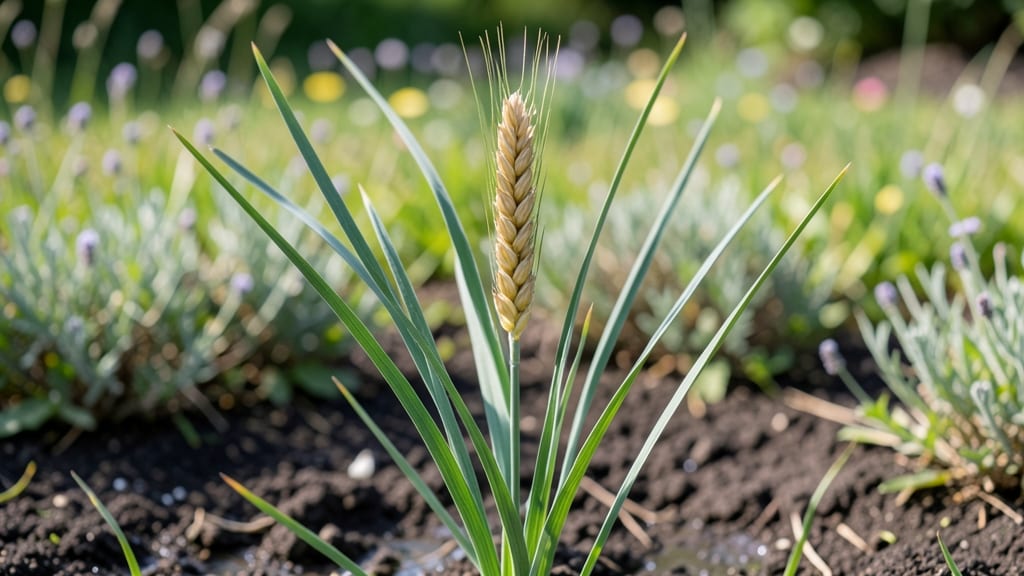
Wheatgrass grows between 4 and 12 inches tall, depending on your growing goals and conditions—whether you’re juicing it, grazing it, or letting it mature for regrowth.
Picture this: a 6-inch tray of wheatgrass 🌱 popping up in your kitchen in just 7 days, vibrant and ready to harvest. But leave it too long, and you’ll end up with tough, woody stems that ruin the flavor and nutrient punch.
The secret? Timing your harvest based on height—and knowing when to cut before it outgrows its purpose.
Most home growers aim for 6 to 8 inches for juicing, where the chlorophyll is at its peak.
Let it stretch to 10 to 12 inches, and you’re in the sweet spot for grazing or regrowth—just don’t wait until it tops out at 18 inches, which is when it starts losing its snap and nutritional edge.
Below, I’ll break down the exact height stages, how sunlight and soil affect growth, and the simple tricks to keep your wheatgrass at the perfect height—every time—without the guesswork.


Wheatgrass height stages: from sprouts to mature blades (with exact growth timelines)
Understanding wheatgrass height stages is key to maximizing your harvest. This fast-growing grass reaches maturity in just 7-14 days, but its height varies dramatically based on your goals.
Whether you're growing it for juicing, grazing, or even as a living mulch, knowing the exact growth timeline helps you plan perfectly. Let’s explore how tall wheatgrass grows at each stage and what factors influence its height.
The journey begins with tiny sprouts that emerge within 24-48 hours of planting. These delicate shoots start at just 0.1 inches tall and grow rapidly under ideal conditions. By Day 3, they’ll reach about 1 inch if you’ve provided consistent moisture and sunlight.
This early stage is critical—poor conditions here can stunt growth for the entire cycle. I’ve seen my own wheatgrass stall completely if I forget to mist it daily during these first few days.
Here’s a clear breakdown of wheatgrass height stages and what to expect at each phase:
By Day 5-7, your wheatgrass will typically reach the 4-6 inch mark, the sweet spot for harvesting. This is when chlorophyll content peaks, making it ideal for juicing. I always aim to harvest at this stage because the flavor and nutrient density are highest.
If you let it grow taller—beyond 8 inches—the stems become woody and less palatable, though still usable for grazing or composting.
Environmental factors play a huge role in how tall wheatgrass grows. Full sun (6+ hours daily) accelerates growth, often pushing blades to 6 inches in just 7 days. In contrast, low-light conditions (like a north-facing window) can stretch the timeline to 12-14 days and result in shorter, leggier grass.
Temperature matters too—ideal ranges are 60-75°F. Below 50°F, growth slows dramatically, while above 80°F, it can bolt prematurely.
Soil quality also impacts height. Wheatgrass thrives in well-draining, nutrient-rich soil (or a simple mix of potting soil and coconut coir). If your soil is too dense or lacks organic matter, roots struggle to anchor, leading to stunted growth.
I’ve found that adding a ¼ inch layer of compost before planting boosts height by 20-30% in just one week. Proper drainage is equally critical—waterlogged soil causes root rot and halts growth entirely.
For indoor growing, place your tray near a south-facing window or under LED grow lights (12-16 hours/day). Without sufficient light, wheatgrass may only reach 3-4 inches in two weeks. Outdoor growers, on the other hand, often see 10-12 inch blades in the same timeframe, thanks to natural sunlight.
If you’re growing for livestock grazing, taller heights are desirable, but for juicing, shorter blades yield more nutrient-dense leaves per harvest.
Pro tip: If you’re aiming for regrowth, never cut below the 1-inch mark. Leaving at least an inch of stubble ensures the roots stay intact and can produce a second harvest in 5-7 days.
I’ve successfully gotten 3-4 harvests from a single tray by following this rule. Just remember—each regrowth cycle will be slightly shorter than the first, as the plant redirects energy to recovery.
🌱
When to harvest wheatgrass for maximum nutrients: height vs. flavor vs. regrowth potential
Harvesting wheatgrass at the right height makes all the difference between a nutrient-packed superfood and a bitter, overgrown mess. For juicing, aim for 4-6 inches—this is when chlorophyll content peaks and flavor is sweetest.
If you're growing wheatgrass for grazing or lawn alternatives, wait until 8-12 inches for thicker blades that hold up better. Overlooking these height markers can turn your harvest into a nutrient-diluted disappointment.
Timing is everything because once wheatgrass surpasses 12 inches, it starts converting energy into seed production rather than leaf growth. This shift reduces chlorophyll levels by up to 30%, making it less potent for juicing.
The flavor also becomes grassier and less sweet. I’ve found that harvesting at 6-8 inches gives the perfect balance of nutrients and taste—ideal for both juicing and blending into smoothies.
Harvesting Wheatgrass by Height
| Height Range | Best For | Nutrient Level | Flavor | Regrowth Potential |
|---|---|---|---|---|
| 4-6 inches | Juicing, blending | ⭐⭐⭐⭐⭐ | Sweet, mild | Moderate |
| 6-8 inches | Juicing, grazing | ⭐⭐⭐⭐⭐ | Balanced | Good |
| 8-12 inches | Grazing, lawn | ⭐⭐⭐ | Grassy, robust | Fair |
| 12+ inches | Avoid (low nutrients) | ⭐⭐ | Bitter | Poor |
✅ Pro Tip: Use a ruler to measure blades—consistency is key for multi-harvest yields.
If you’re aiming for regrowth, cutting at 4-6 inches lets you harvest 2-3 times from the same tray. After the first cut, rinse the tray, rewater, and place it back in bright light.
Within 5-7 days, new shoots will emerge, though they’ll be slightly smaller than the first harvest. I’ve seen yields drop by 15-20% with each subsequent harvest, but the trade-off for extended supply is worth it for many gardeners.
For a single-cut harvest, let wheatgrass grow to 8-12 inches—this maximizes blade thickness and durability. However, this method sacrifices regrowth potential. If you’re growing wheatgrass for juicing only, I recommend alternating between single-cut and multi-harvest trays to balance convenience and yield.
For example, dedicate one tray to juicing-only (harvest at 6 inches) and another to regrowth (harvest at 4 inches).
Light conditions play a huge role in height and nutrient density. Wheatgrass grown under grow lights or in low-light windows will stay shorter (often 4-6 inches) and may develop a lighter green hue. To compensate, supplement with a full-spectrum bulb and harvest slightly earlier.
Outdoor wheatgrass, on the other hand, can reach 12+ inches in ideal conditions, but this often means sacrificing nutrient density unless you’re using it for grazing.
One common mistake is waiting too long to harvest, thinking taller blades mean more nutrients. In reality, overgrowth reduces chlorophyll and increases fiber content, making it harder to digest.
I once let a batch grow to 16 inches—it looked impressive, but the juice tasted bitter and left a gritty aftertaste. From then on, I’ve stuck to 6-8 inches for juicing and 8-12 inches for grazing, and the difference in flavor and nutrient quality is night and day.