
How To
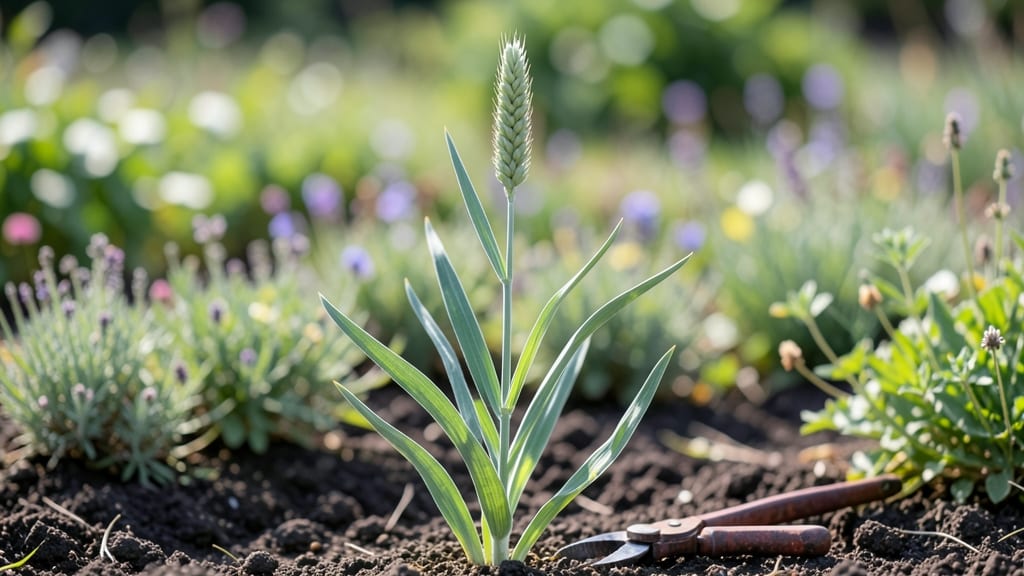
Wheatgrass grows between 6 and 12 inches tall—a fast, manageable height that makes it perfect for indoor trays, windowsill gardens, or even as a living mulch in your yard.
But here’s the catch: if you’re growing it for juicing, you’ll want to harvest it at just 4–6 inches—before it gets too tall and woody. Let it stretch beyond that, and you’re left with a grassy mess instead of the tender shoots you need.
Whether you’re cultivating wheatgrass for its nutritional punch, as a lawn alternative, or simply as a decorative edge, understanding its growth habits is the key to success.
The right variety, sunlight, and soil can keep it compact or let it reach its full height—so let’s break down what influences its size.
You’ll also discover how to control its height, spot common mistakes that make it grow wild, and even tell the difference between true wheatgrass and those pesky grassy lookalikes that can shoot up to 3 feet tall if left unchecked.


Wheatgrass height by variety: exact growth ranges and when to harvest
If you’ve ever wondered how tall wheatgrass grows before it’s ready for harvest, the answer depends entirely on the variety you’re cultivating.
Most common types—like Triticum aestivum (the most popular for juicing)—top out between 6 and 12 inches, while hardier varieties like Elymus repens can reach up to 24 inches if left unchecked. Understanding these ranges helps you plan for containers, spacing, and harvest timing to avoid overgrowth or underharvesting.
The key to maximizing your yield lies in recognizing the optimal harvest window, which typically falls between 10 and 14 days after germination. Cutting too early means wasted effort, while waiting too long results in bitter, woody stems and seed heads that ruin the flavor.
Below, I’ve broken down the exact growth stages and height ranges for the most cultivated wheatgrass varieties, so you can time your harvest like a pro.
⚠️ PRO TIP: Always harvest wheatgrass when blades reach 4–6 inches tall—this is the sweet spot for both flavor and nutrient density. Use sharp scissors to cut just above the soil line, leaving 1–2 inches of stubble to encourage regrowth for multiple harvests.
| Variety | Mature Height | Harvest Window | Best For | Notes |
|---|---|---|---|---|
| Triticum aestivum | 6–12 inches | 10–14 days | Juicing, smoothies | Most popular; sweetest flavor when harvested young. |
| Elymus repens (Quackgrass) | 12–24 inches | 14–21 days | Ornamental, erosion control | Hardier but less flavorful; may self-seed aggressively. |
| Agropyron cristatum (Crested Wheatgrass) | 10–18 inches | 12–16 days | Drought-resistant lawns | Tolerates poor soil but less tender for eating. |
| Hybrid Varieties (e.g., 'Russian Wheatgrass') | 8–16 inches | 10–18 days | Juicing, regrowth | Bred for faster regrowth after cutting. |
For Triticum aestivum, the gold standard for juicing, you’ll notice the first bright green blades emerge within 3–5 days of planting. By day 7–10, the grass will reach 3–4 inches, signaling it’s almost time to harvest.
If you’re growing Elymus repens, expect a faster vertical growth spurt—these varieties can shoot up 1 inch per day under ideal conditions, so monitor closely to avoid overgrowth.
One of the biggest mistakes I see is waiting until wheatgrass develops seed heads (those feathery tops). By this stage, the grass turns bitter and fibrous, making it unusable for juicing or salads.
Instead, focus on the leaf-to-stem ratio: ideal harvests have 70% leaves and 30% stems or less. Use a ruler or your hand as a guide—if the grass reaches your wrist height (6–8 inches), it’s prime time to cut.
If you’re growing wheatgrass in containers, opt for shallow trays (4–6 inches deep) to control height and prevent root binding. For outdoor plots, space rows 6–12 inches apart to allow airflow and reduce disease risk.
In both cases, prune regularly—cutting back by half the height every 7–10 days encourages bushier, more productive growth and prevents legginess.
Light plays a crucial role in height control. Wheatgrass thrives on 12–16 hours of light daily, but too much direct sun can cause stunted growth or bleaching. If you’re growing indoors near a south-facing window, supplement with a grow light for 14–16 hours/day to maintain even growth.
Outdoors, partial shade in hot climates (USDA zones 8+) can prevent the grass from stretching too tall and becoming weak.
Soil composition also impacts height—nitrogen-rich, well-draining mixes promote faster, denser growth, while compacted or clay-heavy soil can stunt plants and lead to uneven heights.
Amend your soil with compost or coconut coir to improve drainage, and avoid over-fertilizing, which can cause excessive leafy growth at the expense of root development. A light application of 5-5-5 fertilizer at planting is usually sufficient for most varieties.
For a visual growth timeline, here’s what to expect:
- Days 1–3: Sprouts emerge (0.1–0.5 inches tall).
- Days 4–7: Blades elongate
How to control wheatgrass height: pruning, light, and soil secrets
Wheatgrass thrives on speed, shooting up to 6–12 inches in just 10–14 days under ideal conditions. But without proper care, it can bolt into seed heads or sprawl uncontrollably. The key to managing its height lies in three critical factors: pruning techniques, light exposure, and soil nutrition.
Master these, and you’ll keep your wheatgrass at the perfect harvest-ready height—no wild overgrowth in sight.
Start with pruning, the fastest way to control height. I always cut wheatgrass 1–2 inches above soil level using clean, sharp scissors. This prevents legginess and encourages bushier regrowth.
For indoor setups, a 12–16 hour light day keeps growth compact, while outdoor plants benefit from morning sun exposure to avoid stretching. Too little light? Your wheatgrass will lean and weaken—a surefire sign it’s time to adjust your setup.
⚠️ Overgrowth Alert: Why Your Wheatgrass Might Be Too Tall
Common mistakes that cause uncontrolled height:
- Skipping pruning → Leads to 3+ foot weeds (not wheatgrass!)
- Insufficient light → Causes leggy, weak stems reaching for sun
- Over-fertilizing → Triggers rapid, unchecked growth and early flowering
- Poor drainage → Stunts roots, making plants top-heavy and prone to falling
🌱 Fix it now: Trim aggressively, move to full sun, and use a balanced 5-5-5 fertilizer sparingly.
Soil quality plays a huge role in height control. Wheatgrass prefers well-draining, nitrogen-rich soil, but too much fertilizer can backfire. I mix equal parts potting soil and compost, then add a light 5-5-5 fertilizer only once—right at planting.
Overdoing it sends your plants into a growth spurt, often leading to early flowering (which ruins the flavor). For container grows, use a shallow tray to limit root depth and encourage compact growth.
Light is where most gardeners trip up. Wheatgrass needs 12–16 hours of light daily, but too much direct midday sun can scorch tender leaves. I place my indoor trays near a south-facing window or under LED grow lights for 14 hours/day.
Outdoor plants? Morning sun + afternoon shade is ideal. Watch for yellowing tips—a classic sign of light stress or overwatering. Adjust your setup immediately to prevent stunted growth.
One of my biggest wheatgrass fails? Ignoring the harvest window. If you let it grow past 6 inches, the blades toughen and develop bitter seed heads. I now set a reminder to harvest at 4–5 inches, using a sharp knife for clean cuts.
For continuous harvests, I replant new seeds every 7–10 days, ensuring a steady supply of tender, flavorful grass without height issues.
For outdoor lawn-style wheatgrass, mulch lightly with straw to suppress weeds and retain moisture. This keeps the height uniform and manageable while reducing the need for frequent mowing. And remember: consistency is key.
Stick to your pruning schedule, monitor light exposure, and avoid soil oversaturation, and your wheatgrass will stay lush, compact, and perfect for juicing every time.