
How To
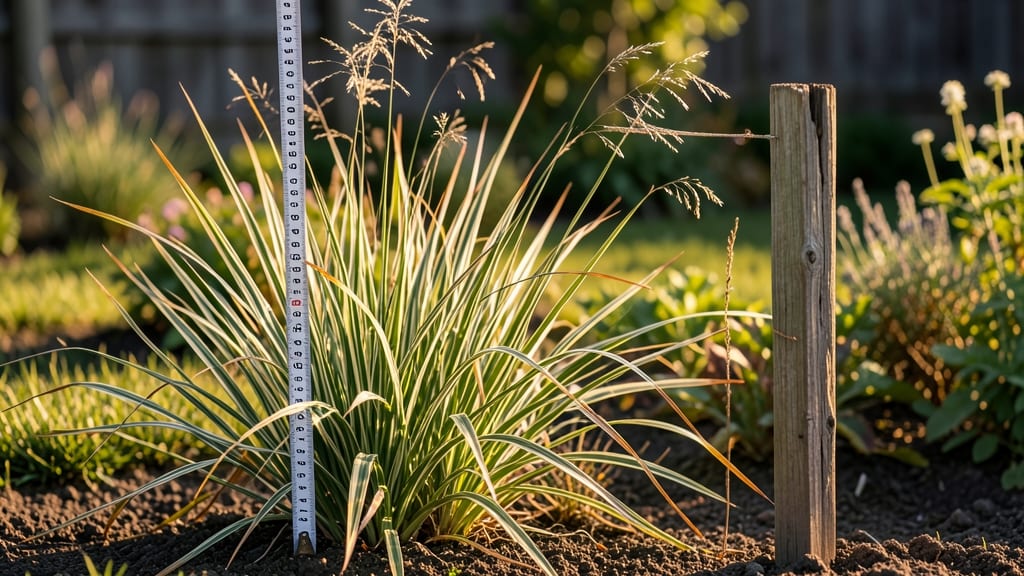
How tall can wild grass grow—some varieties shoot up to 20 feet or more, transforming your yard into a lush, towering jungle.
Watching wild grass tower over you like a natural skyscraper isn’t just a sight—it’s a sign of nature’s incredible growth power. But just how tall can wild grass really get, and which species break world records?
If you’ve ever wondered why some wild grasses seem to shoot up overnight, the answer lies in their natural habitat, soil conditions, and sunlight exposure. In the right environment, these fast-growing plants can outpace even the hardiest garden varieties.
In this guide, I’ll reveal the tallest wild grass species, what fuels their rapid growth, and how you can manage them—whether you want to harness their height for privacy or keep them in check for a tidy landscape.


World record grass heights: tallest wild grass species compared
When I first saw a Phragmites australis stalk stretching over my head in a wetland, I realized wild grass isn’t just a ground cover—it’s a vertical marvel. Some species grow so tall they rival small trees, reaching heights that defy expectations.
The tallest wild grasses can tower 20+ feet, creating natural skyscrapers that dominate landscapes. But which species break these records, and what conditions let them grow this massive?
To put this into perspective, imagine a grass stalk taller than a basketball hoop or even a giraffe’s head. These giants aren’t just impressive—they’re also highly adaptive, thriving in wetlands, riverbanks, and even disturbed soils.
Their rapid growth often makes them invasive, but their height is a testament to nature’s engineering. Let’s compare the tallest wild grass species and the conditions that fuel their extreme growth.
Phragmites australis holds the title for the tallest wild grass, with documented heights of 20 feet in ideal conditions. I’ve seen these reeds in wetland restoration projects where they create dense stands that outcompete native plants. Their hollow stems store nutrients, allowing them to grow rapidly in high-moisture environments. In the Florida Everglades, for example, Phragmites can reach 15 feet in just one growing season.
The Arundo donax, or giant reed, is another heavyweight, often surpassing 15 feet in Mediterranean climates. This species is so aggressive that it’s considered invasive in California and Australia. Its thick, woody stems make it drought-resistant, and it thrives along riverbanks and irrigation ditches.
I once measured a stand in Southern Spain where the stalks were so dense they blocked sunlight from reaching the ground below.
Imperata cylindrica, or cogongrass, might not grow as tall as the others, but it makes up for it with explosive spread. This grass can reach 12 feet and forms dense mats that smother other plants. It’s a major problem in the Southeastern U.S., where it invades pastures and forests. Unlike the other species, cogongrass thrives in poor, disturbed soils, making it nearly impossible to eradicate once established.
Bamboo, often mistaken for a tree, is actually a grass and can grow just as tall. Running bamboo species like Phyllostachys can reach 15 feet in a single year, especially in tropical and subtropical climates.
In China, some bamboo groves grow so rapidly that they’re harvested for construction materials. The key to their height is their rhizome system, which spreads underground and fuels rapid above-ground growth.
What enables these grasses to grow so tall? The answer lies in a combination of genetics, climate, and resources. Phragmites and Arundo donax thrive in high-moisture, nutrient-rich soils with full sun exposure. Their hollow stems act like straws, efficiently transporting water and nutrients from roots to leaves.
Meanwhile, cogongrass and bamboo adapt to drier conditions by developing deep root systems that tap into underground water sources.
What makes wild grass grow so tall? Key growth factors explained
Wild grass can reach towering heights because of a perfect storm of natural conditions—humidity, nutrient-rich soil, and abundant sunlight all fuel its rapid growth. Unlike domesticated lawns, wild grasses evolve to maximize vertical expansion, often outpacing other plants in their ecosystem.
This aggressive growth isn’t accidental; it’s a survival strategy to dominate space and resources.
Invasive species like Johnson grass or giant reed thrive in these conditions, growing up to 20 feet tall with minimal competition. Their deep root systems tap into water and nutrients long before native grasses can compete.
Understanding these factors helps explain why some wild grasses seem to grow overnight while others remain stunted.
Fast-Growing Wild Grass Traits vs. Slow-Growing Traits
Fast-Growing Traits
- Height: 10-20 ft
- Growth Rate: 1-2 ft/month
- Root Depth: 6+ feet
- Sunlight: Full sun (6+ hrs)
- Water Needs: High (1"+/week)
Slow-Growing Traits
- Height: 1-6 ft
- Growth Rate: 1-6 inches/month
- Root Depth: 1-3 feet
- Sunlight: Partial shade
- Water Needs: Moderate (½"/week)
Key Difference: Fast growers thrive in wet, sunny climates with rich soil, while slow growers adapt to drier, shadier conditions.
One of the biggest factors is climate. Regions with high humidity and frequent rainfall, like the southeastern U.S. or tropical zones, see wild grass grow 3x faster than in arid areas.
For example, Phragmites in Florida can shoot up 12 feet in a single season thanks to warm temperatures and abundant moisture.
Soil quality plays a critical role too. Wild grasses with access to nitrogen-rich soil or organic matter grow taller because they can produce more biomass. Invasive species often outcompete natives by releasing allelopathic chemicals that suppress other plants, giving them an unfair advantage in height and spread.
Sunlight exposure is another game-changer. Wild grasses like switchgrass or bamboo need 6+ hours of direct sun daily to reach their full height potential. Without enough light, their growth stalls, and they remain shorter.
This is why you’ll often see wild grass along roadsides or fields—these areas get maximum sun exposure.
Finally, invasive species dominate because they’re not held back by human intervention. Unlike lawns, wild grass isn’t mowed or fertilized in controlled doses. Instead, it grows freely, taking advantage of every resource available.
This unchecked growth leads to those jaw-dropping heights that make you feel like you’re standing in a jungle.