
How To
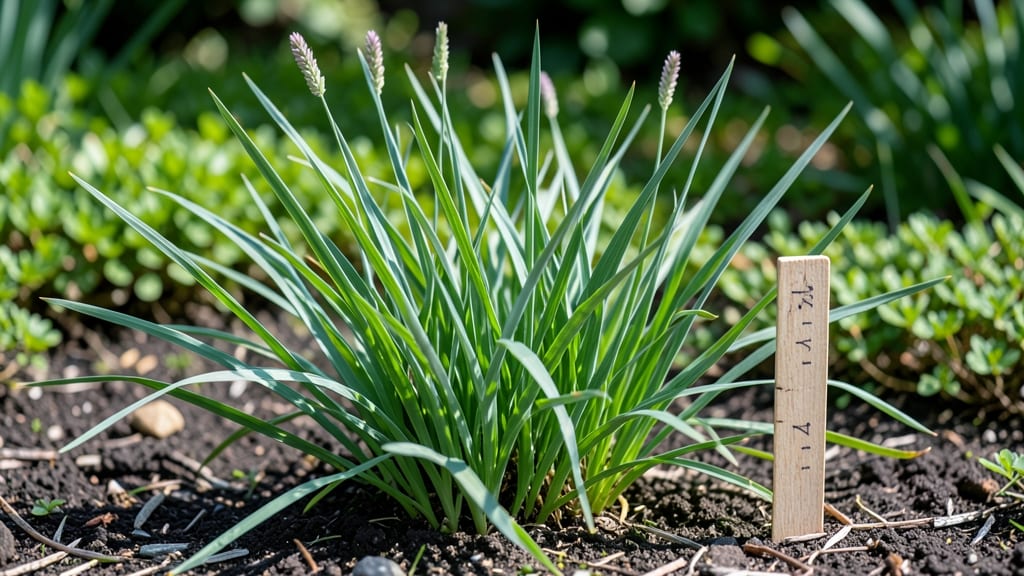
Wondering how tall does rye grass grow at maturity—it typically reaches between 1.5 and 2.5 feet—so whether you're planting it for a lawn, erosion control, or a temporary cover crop, knowing its height range is key to setting. realistic expectations.
Picture this: you've just seeded your yard with rye grass, dreaming of a lush, green carpet that stays neatly trimmed. But by late spring, those blades are stretching taller than your knees, and suddenly, you're wondering if you've lost control of your own lawn.
Here's the good news: while some varieties can reach nearly 3 feet under ideal conditions, most common types stay between 12 and 24 inches.
The difference comes down to whether you're growing annual rye grass (like Italian or Cereal rye) or a perennial variety—and how much sunlight, water, and soil nutrients you provide.
In this guide, I’ll break down the height differences between types, how to keep rye grass at your desired height, and when to let it grow wild for the best results—whether you're aiming for a dense turf, a natural erosion barrier, or just a green winter cover.


Rye grass height variations by type: annual vs perennial growth zones
Choosing the right rye grass variety means understanding how tall it will grow—and whether it's an annual or perennial type.
Annual rye grass (like Italian ryegrass) typically reaches 12–24 inches in one growing season, while perennial varieties (such as cereal ryegrass) can tower up to 48 inches over multiple years. Your USDA zone and soil conditions play a huge role in determining final height.
For example, in USDA zones 3–5, perennial rye grass often grows taller due to cooler climates extending its growing season. Meanwhile, in warmer zones 8–10, annual varieties may struggle to reach their full height potential.
Let’s break down the key differences so you can pick the perfect fit for your yard, whether you need a temporary cover crop or a long-lasting erosion barrier.
If you're planting Italian ryegrass for a cover crop, expect it to grow aggressively in cool seasons but die back in summer heat. This makes it ideal for fall planting in zones 6–10, where it can establish roots before winter.
On the other hand, cereal ryegrass thrives in cooler climates (zones 3–5) and can persist for years, making it perfect for permanent erosion control on slopes.
Soil type also affects height. Well-draining, loamy soil encourages taller growth, while clay-heavy soil may stunt rye grass to 12–18 inches due to poor aeration. To maximize height in perennial varieties, amend your soil with compost and avoid over-fertilizing with nitrogen, which can lead to weak stems and toppling.
For lawn applications, stick to annual varieties like dwarf ryegrass, which stay under 12 inches and blend seamlessly with other grasses. If you're using rye grass as a winter forage crop, taller perennial types (like cereal ryegrass) will provide more biomass for livestock.
Just remember: mowing height matters—cutting too short can stress the plant and reduce its height potential.
In USDA zone 10, where winters are mild, annual rye grass may only reach 10–15 inches before going dormant. Meanwhile, in zone 4, perennial types can exceed 40 inches if given proper care. Always check your local frost dates and adjust planting
How to control rye grass height: pruning, mowing, and seasonal care
Keeping your rye grass at the perfect height depends on its purpose—whether you're growing it as a lawn cover or using it as a cover crop.
Without proper care, it can quickly outgrow your expectations, especially if you're planting annual varieties like Italian rye grass, which can reach 3-4 feet tall under ideal conditions. The key is understanding when and how to trim to encourage dense growth or manage seed production.
Seasonal changes play a huge role in rye grass height. In spring and fall, when growth is most aggressive, you'll need to mow more frequently to maintain control. Skipping these cuts can lead to overgrowth, weak stems, and even pest attraction.
For cover crops, taller heights (6-12 inches) are ideal before winter dormancy, while lawn varieties should stay between 2-4 inches for a neat appearance.
- 🌱 Lawn Varieties: Mow at 2-4 inches to prevent seed heads and encourage dense growth.
- 🌾 Cover Crops: Allow 6-12 inches before winter dormancy for optimal soil protection.
- ✂️ Spring Trimming: Mow every 2-3 weeks when growth is rapid to avoid overgrowth.
- 🌡️ Fall Transition: Reduce mowing 4-6 weeks before frost to let grass store energy for winter.
- 🚫 Avoid Mistakes: Never mow wet grass or cut more than 1/3 of height at once.
Timing your mows is just as important as the height you aim for. For lawn rye grass, I recommend mowing in the late afternoon to give the grass time to recover overnight. This reduces stress and keeps the lawn looking lush and green.
If you're growing rye grass as a cover crop, let it grow taller in late summer to maximize soil protection before winter.
One common mistake gardeners make is waiting too long between mows. If you let rye grass grow too tall before cutting, the blades can become weak and spindly, making it harder to recover.
Another pitfall is using a dull mower blade, which tears the grass instead of making clean cuts. Always keep your mower blade sharp to promote healthy regrowth and a neater appearance.
Seasonal adjustments are crucial for long-term success. In spring, when rye grass is most active, I increase my mowing frequency to every 10-14 days. By late fall, I taper off to allow the grass to harden off before winter.
This seasonal rhythm ensures your rye grass stays manageable year-round, whether you're aiming for a short lawn or a tall cover crop.
For those using rye grass as a winter cover crop, remember that taller heights (up to 12 inches) are beneficial for erosion control and soil health. If you're growing it for seed production, let it reach its full mature height (3-4 feet) before harvesting.
With the right care, you can enjoy healthy rye grass that fits your exact needs—no overgrowth required!