
How To
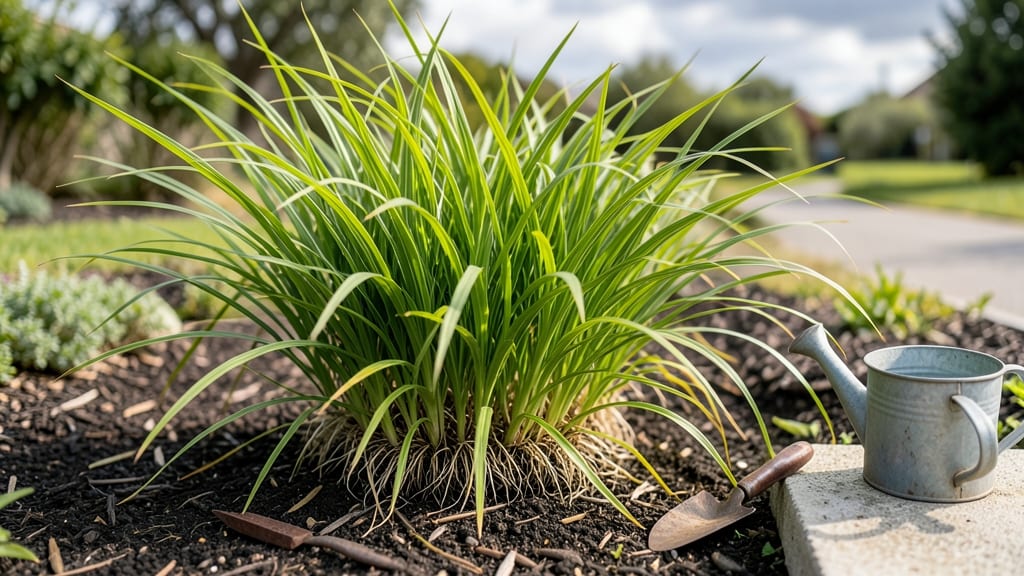
Growing lemon grass 🌿 takes about 6 to 12 months from seed to harvest, depending on conditions—but patience pays off with those fragrant stalks you crave.
If you’ve ever wondered when you’ll finally get that fragrant, citrusy lemon grass for your cooking—or just to enjoy in your garden—you’re not alone.
Growing lemon grass from seed can feel like waiting for a slow-moving train, but with the right timeline, you’ll know exactly when to expect those coveted stalks.
From the first sprout to a mature plant ready for harvest, lemon grass grows in stages, each with its own needs. Whether you’re planting in Zone 6a or another climate, understanding these milestones helps you avoid common pitfalls like stunted growth or weak flavor.
In this guide, I’ll break down the month-by-month growth process, share tips to speed things up, and show you when your lemon grass is finally ready to harvest—plus how to keep it thriving for years to come.


Lemon grass growth timeline: month-by-month development from seed to harvest
Growing lemon grass from seed is a rewarding journey that unfolds over several months, with each stage bringing you closer to those fragrant, citrus-scented stalks. Understanding this month-by-month timeline helps you anticipate milestones and troubleshoot any delays.
Whether you're starting with seeds or young plants, knowing what to expect each month keeps your garden thriving.
The entire process from seed to harvest typically takes 6 to 12 months, but with ideal conditions, you can see usable growth as early as 3-4 months. Your lemon grass will pass through distinct phases—germination, vegetative growth, and maturity—each requiring slightly different care.
Let’s break down what happens each month to ensure you’re prepared for every step.
📌 Key Factors Affecting Growth: Temperature, sunlight, soil moisture, and fertilizer all play critical roles. Lemon grass thrives in warmth (70-85°F) and full sun (6+ hours daily). If these conditions aren’t met, growth can stall or slow dramatically. Now, let’s dive into the timeline so you know exactly what to watch for.
In Month 1, your lemon grass seeds will begin germinating, typically within 10-21 days if kept in warm, moist soil. You’ll notice tiny shoots pushing through the surface, signaling the start of your plant’s journey.
This stage is delicate, so avoid disturbing the soil and maintain consistent moisture. If germination takes longer than three weeks, check your soil temperature—it may need to be warmer.
By Month 2, your seedlings will have grown to 3-6 inches tall, and you’ll start seeing the first true leaves emerge. This is the perfect time to thin your seedlings if they’re crowded, giving each plant enough space to grow.
Introduce a light fertilizer to encourage stronger root development, but avoid over-fertilizing, which can burn young plants.
As you enter Month 3, your lemon grass will enter its vegetative growth phase, with leaves elongating rapidly. You’ll notice the plants reaching 12-18 inches tall, and their distinctive citrus aroma will start to develop.
This is when you should ensure they’re receiving full sun exposure (6+ hours daily) and watering deeply 2-3 times per week. Lack of sunlight can cause leggy, weak growth.
Between
Factors that speed up or slow down lemon grass growth (and how to optimize them)
Lemon grass growth speed depends on several environmental factors you can control. While some gardeners get harvest-ready stalks in 4-6 months, others wait nearly a year.
The difference often comes down to how you manage these key variables. Let’s break down what accelerates or stalls growth—and how to optimize each for faster results.
First, sunlight exposure is non-negotiable. Lemon grass thrives in full sun (6+ hours daily), but even slight shade delays growth. I’ve seen plants in partial shade take 30% longer to reach harvest size compared to those basking in direct sunlight.
If your garden lacks full sun, consider growing lemon grass in containers near a south-facing window.
Next, soil quality plays a surprising role. Lemon grass prefers well-draining, slightly acidic soil (pH 5.5-6.5). Heavy clay or alkaline soil can stunt roots and slow growth by up to 50%.
Amend your soil with compost or coconut coir to improve drainage and fertility. I always mix in a handful of perlite to prevent waterlogging, which roots despise.
⚖️ Growth Speed Factors: Pros & Cons
✅ Speed Up Growth
- Full Sun (6+ hrs): 2x faster leaf growth
- Warm Soil (60°F+): Faster germination (7-14 days)
- Balanced Fertilizer: Thicker stalks in 30 days
- Consistent Moisture: No wilting = steady growth
- Container Growing: Easier control over conditions
❌ Slow Down Growth
- Partial Shade: Thinner leaves, slower growth
- Cold Soil (<50°F): Germination delay (3+ weeks)
- Overwatering: Root rot = stunted growth
- Poor Drainage: Waterlogged roots = yellow leaves
- Nutrient Deficiency: Pale stems, weak structure
Optimize these factors to shift your lemon grass from 12-month growth to 4-6 months.
Watering habits often get overlooked, but overwatering is a silent growth killer. Lemon grass needs consistent moisture—about 1 inch per week—but soggy soil suffocates roots. I water mine deeply every 2-3 days in summer and reduce to weekly in cooler months.
A moisture meter helps avoid guesswork, especially if you’re new to this plant.
Temperature also dictates growth speed. Lemon grass loves warmth (75-85°F) and struggles below 50°F. If you’re in a cooler climate, start seeds indoors 6-8 weeks before last frost or use a grow light.
I’ve grown lemon grass successfully in Zone 6a by using black plastic mulch to warm the soil faster in spring.
Finally, fertilizer choice makes a difference. A balanced 10-10-10 NPK fertilizer applied every 4-6 weeks promotes steady growth. Too much nitrogen makes leaves lush but weakens stalks. I mix 1 tbsp of fertilizer into the top inch of soil and water it in thoroughly.
Avoid synthetic fertilizers if you notice leaf burn—switch to organic options like fish emulsion.
By mastering these factors, you’ll transform slow-growing lemon grass into a fast-tracked harvest. Start with sunlight and soil, then fine-tune water and temperature. Before you know it, you’ll be harvesting those fragrant stalks in half the time—ready for your next culinary adventure! 🌱