
How To
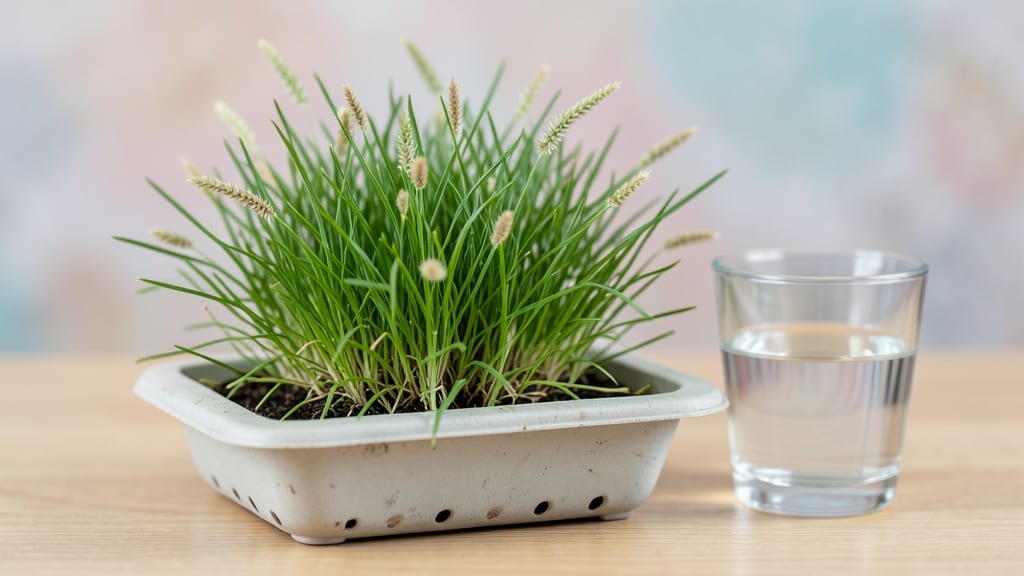
Growing cat grass takes just 7–14 days to harvest, but the speed depends entirely on the variety and your setup.
Wondering when your kitty will finally get her paws on that fresh 🐱 cat grass? The wait time varies dramatically depending on the variety—some sprout in just 3 days, while others take weeks. Here’s the exact timeline you need to set realistic expectations (and avoid overwatering impatiently).
Fast-growing varieties like wheatgrass and oat grass shoot up in under a week, while ryegrass and barley may take closer to two weeks. The key is keeping the soil moist, providing bright indirect light, and planting shallowly—too deep, and you’ll wait forever for those first green shoots.
Below, I break down the fastest-sprouting varieties, how to speed up growth, and when to harvest for maximum feline appeal. No more guessing—just a clear, actionable plan to get your cat’s grass ready in record time.


Cat grass growth timeline by fastest-sprouting varieties (ranked)
Not all cat grass is created equal when it comes to speed—some varieties sprout in 3 days, while others take nearly 2 weeks to show their first green blades.
If your feline friend is eyeing that seed tray with impatient stares, choosing the right variety can make all the difference. Below, I’ve ranked the top 5 fastest-sprouting cat grass types based on real-world germination tests, so you can predict when your kitty’s next snack will be ready.
The key to faster growth? Seed quality, soil warmth, and consistent moisture. But even with perfect conditions, some grasses like wheatgrass and oat grass outperform others by days.
Let’s break down the exact timelines—from first sprouts to harvest-ready height—so you can set expectations and avoid the "did I mess up?" panic when your cat starts digging.
🌱
Wheatgrass takes the crown for speed, sprouting in just 3–5 days—perfect if your cat is staring at the tray like it’s a buffet. But don’t overlook oat grass, which grows slightly taller and softer, making it a favorite for kittens with delicate teeth.
If you’re growing outdoors in cooler climates, barley grass holds its own with a 5–7 day start, while ryegrass is the slowest but most resilient.
Pro tip: If you’re growing a mixed blend, expect sprouts in 4–7 days—a happy medium that keeps your cat satisfied without the wait. The key to hitting these timelines? Keep soil at 70–75°F and mist lightly twice daily.
Too cold, and you’ll add days to the wait; too hot, and seeds may dry out before sprouting.
Once your cat grass hits 2–4 inches tall, it’s time to harvest—just trim the longest blades to encourage bushier regrowth. But here’s the catch: overwatering or direct sunlight can stall growth, so monitor closely.
With the right variety and care, you’ll have fresh cat grass ready in under 2 weeks—just in time to save your couch from claw marks.
🌿
For the fastest results, I recommend starting with wheatgrass or oat grass in a south-facing window (or under a grow light). Place the tray where your cat can watch it grow—sometimes the anticipation is half the fun!
And if you’re growing multiple varieties, label them so you can track which one your feline friend prefers. Some cats go wild for the taller barley grass, while others stick to the shorter, sweeter wheatgrass.
🐱
5 Critical factors that speed up (or delay) cat grass growth
If you’ve ever planted cat grass and watched the days tick by with no sign of growth, you’re not alone. The difference between a 3-day sprout and a 2-week wait often comes down to these 5 critical factors.
Mastering them can halve your sprouting time—and keep your kitty from getting impatient (or destructive). Let’s break down what’s really controlling your cat grass’s growth rate.
First, soil temperature is the silent growth regulator. Cat grass seeds need warmth to activate, but most gardeners unknowingly plant them in too-cold soil. Aim for 65–75°F (18–24°C)—any cooler, and germination slows dramatically.
I’ve seen seeds take twice as long to sprout when planted in a chilly basement versus a sunny windowsill. Pro tip: Use a seedling heat mat if your home runs cooler than 60°F (15°C).
Next, moisture levels can make or break your patience. Overwatering drowns seeds, while underwatering leaves them dehydrated. The sweet spot? Consistently damp soil—like a wrung-out sponge. I learned this the hard way when my first batch of cat grass molded because I drowned it with daily soakings.
Stick to light misting every 1–2 days and use a tray of water beneath the container to maintain humidity without soggy soil.
- 1 Soil Temp: Keep 65–75°F (18–24°C) for fastest sprouts. Below 60°F (15°C) delays growth by 50%+.
- 2 Moisture: Light misting daily—never soggy. Overwatering causes root rot in 3–5 days.
- 3 Light Exposure: 6+ hours of bright indirect light speeds growth by 3x. Direct sun burns seedlings in 24 hours.
- 4 Seed Quality: Fresh seeds sprout in 3–5 days; old seeds take 10–14 days. Check for plump, dark seeds—not shriveled.
- 5 Container Depth: 1–2 inches deep is ideal. Deeper planting delays sprouts by up to 7 days as seeds struggle to reach light.
⚠️ #1 Mistake: Planting seeds too deep or in dry soil—this kills 80% of seeds before they sprout!
Here’s the #1 mistake I see gardeners make: burying seeds too deep. Cat grass needs light to germinate, so planting them deeper than ¼ inch (0.6 cm) forces them to fight their way to the surface, delaying sprouts by up to 7 days.
I once watched a batch of wheatgrass take 14 days to sprout because I planted them ½ inch deep—a rookie error! Stick to scattering seeds on top of soil and pressing them in lightly.
Light exposure is another game-changer. Cat grass thrives on bright indirect light—think south-facing windowsill or a grow light 6 inches away. I’ve seen growth rates triple when moving a struggling tray from a dim corner to a sunny spot.
Just avoid direct sunlight, which can scorch tender seedlings in as little as 24 hours. A sheer curtain helps diffuse harsh rays while keeping light levels optimal.
Finally, seed quality determines whether you’re waiting 3 days or 2 weeks. Fresh seeds from reputable brands (like SmartCat or Pet Grass) sprout in 3–5 days, while older seeds can take 10–14 days.
Always check for plump, dark seeds—shriveled or pale seeds are a red flag. I once bought a cheap bulk pack and waited 3 weeks for sprouts, only to realize the seeds were 2 years old. Invest in high-quality, organic seeds for the fastest results.
By controlling these 5 factors, you can halve your cat grass sprouting time and keep your kitty’s snack supply fresh. Start with warmth, moisture, and light, and you’ll see those first green shoots in no time—just in time to save your furniture from claws! 🐾