
Lawn
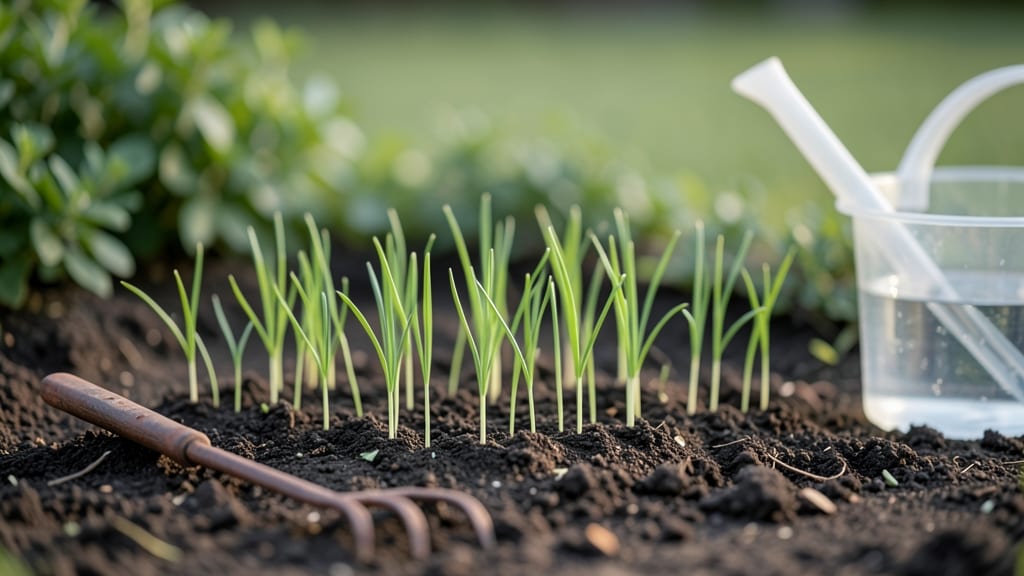
Planting grass late in the fall can still yield a lush lawn if you time it right—aim for 4–6 weeks before your first frost for the best results.
Worried about missing your window? Planting too late can leave your cool-season 🌱 struggling through winter, but with the right zone-specific timing, you’ll set up next spring’s growth for success.
In this guide, I’ll break down the exact weeks to plant by USDA hardiness zone, soil temperature thresholds, and how to extend your window with mulch or frost-resistant varieties.
You’ll also learn how to spot signs of late planting gone wrong—and how to save your lawn before winter sets in.
Fall grass planting deadlines by USDA hardiness Zone (week-by-week guide)
Fall is the perfect time to plant cool-season grasses like Kentucky bluegrass or tall fescue, but timing matters. Plant too late, and your lawn may struggle to establish before winter frost. The key?
Aim to plant 4–6 weeks before your first expected frost date—this gives seeds time to germinate and roots to develop. But how late is too late? It depends on your USDA hardiness zone and local climate.
Each zone has a unique frost window, and soil temperatures must stay above 50°F (10°C) for germination. In colder zones (like Zone 3–5), you might need to plant by early September, while warmer zones (like Zone 8–10) can stretch into November.
Below, I’ve broken down the exact weeks you can plant grass in each zone, plus regional exceptions to watch for.
| USDA Zone | Last Planting Week | Soil Temp Threshold | Grass Varieties | Notes |
|---|---|---|---|---|
| Zone 3–4 | Early September (Week 35) | 50–55°F (10–13°C) | Tall fescue, creeping red fescue | Frost arrives early; use winter mulch if planting late. |
| Zone 5–6 | Mid-October (Week 42) | 50–55°F (10–13°C) | Kentucky bluegrass, fine fescue | Northern regions: plant by Week 40 for safety. |
| Zone 7–8 | Early November (Week 46) | 55–60°F (13–16°C) | Perennial ryegrass, Bermuda grass (warm-season) | Southern zones: avoid late November planting. |
| Zone 9–10 | Mid-December (Week 50) | 60–65°F (16–18°C) | St. Augustine, zoysia grass | Tropical zones: plant anytime but avoid frost. |
*Weeks are based on standard U.S. calendar weeks (Week 1 = early January). Adjust for early/late frost years.
If you’re in Zone 3–4, your window closes quickly—aim to finish planting by early September. Soil temperatures drop fast here, and seeds need 4–6 weeks to establish before winter. Use a soil thermometer to confirm temps stay above 50°F for at least 2 weeks post-planting.
For Zone 5–6, you’ve got a little more flexibility, but don’t push past mid-October. This zone often sees early frosts, especially in northern states like Minnesota or upstate New York. If you’re near Great Lakes regions, account for lake-effect snow, which can arrive earlier than expected.
Zone 7–8 gardeners can often plant into early November, but watch for unexpected cold snaps. Southern states like Texas or Florida may even extend planting into December, but warm-season grasses like Bermuda grass are better suited for these climates. If you’re in Zone 8 and see temps dip below 40°F (4°C), cover seeds with straw mulch for protection.
In Zone 9–10, frost is rare, but cool-season grasses still need time to root before winter. If you’re planting tropical varieties, like St. Augustine, you can push deadlines further—but avoid planting after mid-December in areas prone to light frosts, like coastal California.
Pro tip: Check your local extension office’s frost date predictions for the most accurate timeline. Even within a zone, microclimates (like urban heat islands or mountain slopes) can shift deadlines by 1–2 weeks.
For example, a southern slope in Zone 5 might stay warm enough for late-October planting, while a northern-facing yard could freeze by early October.
One common mistake? Waiting until the last possible week and then rushing. Seeds need consistent moisture and warm soil to germinate. If you’re planting near your deadline, water deeply every 2–3 days and consider a lightweight row cover to retain heat.
This can buy you an extra 1–2 weeks of growing time in cooler zones.
Finally, remember that fall planting rewards patience. Grass seeded in September–October often outperforms spring plantings because cooler temps reduce weed competition and disease pressure. Just don’t wait
How to extend your fall planting window without risking winter damage
Fall is the perfect time to plant cool-season grasses, but late starts can leave your lawn vulnerable to frost. The key to pushing your planting window? A mix of soil warming, frost-resistant varieties, and smart microclimate protection.
With these strategies, you can safely plant grass 3–4 weeks later than the traditional deadline—without sacrificing next spring’s growth.
Start by choosing cold-hardy grass types like tall fescue or creeping red fescue, which tolerate temperatures down to 20°F (-7°C). Pair them with black plastic mulch or straw bales to keep soil temps above 50°F (10°C)—the minimum for germination.
Even a 10°F (5°C) buffer can mean the difference between success and failure.
- 1. Use soil warmers: Lay black plastic mulch or row covers 1–2 weeks before planting to raise soil temps by 5–10°F. Remove them after germination.
- 2. Pick frost-resistant varieties: Opt for tall fescue or hard fescue, which survive 20°F (-7°C) and germinate faster in cool soil.
- 3. Leverage microclimates: Plant near south-facing walls or paved areas, where soil stays 5–15°F warmer than open ground.
- 4. Pre-winter mulching: Apply 4–6 inches of straw after planting to insulate roots. Avoid thick layers that smother growth.
- 5. Water strategically: Use drip irrigation or soaker hoses to keep soil moist without freezing. Water in short bursts midday to prevent ice formation.
Don’t overlook microclimates—areas like south-facing slopes or urban heat islands can stay warm enough for planting 2–3 weeks later than official deadlines. Test your soil with a thermometer before planting; aim for 50°F (10°C) at 2-inch depth. If temps drop below 40°F (4°C), germination halts entirely.
After planting, mulch heavily with straw or leaves (3–4 inches) to shield seedlings from frost heave and freeze-thaw cycles. Avoid synthetic mulches, which can trap too much heat and stress young roots. In Zone 5 or colder, add a lightweight frost blanket on nights below 28°F (-2°C).
Monitor your lawn weekly for yellowing or stunted growth—signs it’s struggling. If frost hits before roots establish (4–6 weeks), switch to overseeding in spring instead. With these tweaks, you can push your planting window 30–45 days later without risking winter damage.
Remember: The goal isn’t to defy frost entirely, but to give grass a fighting chance before dormancy. Start with small test patches if you’re cutting it close—this lets you adjust timing without committing to a full lawn.