
Pests
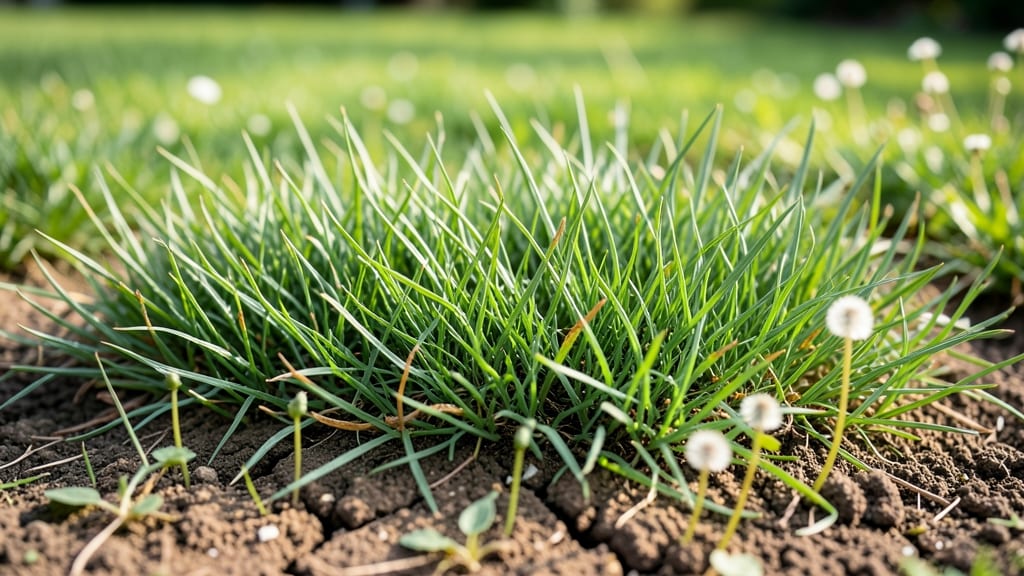
Those mysterious grass holes in your UK lawn aren’t just unsightly—they’re a battle cry from moles, slugs, or even your dog’s digging. 🌱 I’ve spent years patching up lawns after molehills took over my garden, and I’ve learned the quick fixes that actually work (no more temporary patches that wash away in the first rain).
The first step is identifying the culprit: mole holes are neat, volcano-shaped mounds, while slug damage looks like jagged, irregular tears. Pet holes? Usually scattered with fresh paw prints.
Once you know the enemy, you can act fast—whether that’s scattering castor oil for slugs, setting mole traps, or simply filling holes with compost and reseeding.
You’ll have a lawn that looks good enough to host a barbecue in under 48 hours with the right patching technique. The secret is using a mix of sand, topsoil, and grass seed that blends seamlessly with your existing turf—no more patchy, sunken spots that scream "neglect."
For long-term results, focus on prevention: install barriers for moles, keep grass thick to deter slugs, and train pets to dig elsewhere. UK weather means you’ll need to act quickly after rain, so keep a patching kit handy—your lawn will thank you.
📚 In This Guide
- What you need
- Instructions
- Tips and common mistakes
- Wrapping up and next steps
What you need
- ● Lawn repair patches or seed mix: 1–2 lbs of grass seed (match the type to your existing lawn—e.g., ryegrass or fescue for UK climates).
- ○ Optional: Pre-mixed lawn repair kits (like Evergreen or Miracle-Gro) for convenience.
- ● Topsoil or compost: 1–2 bags (20–30 liters each) of high-quality topsoil or organic compost (avoid peat-based if possible).
- ● Tools: Garden trowel or hand fork (for small holes).
- ● Rake (with fine or coarse teeth, depending on hole size).
- ○ Garden roller (optional, for larger areas—10–15 kg weight works well).
- ● Watering can or hose (with a gentle spray nozzle).
- ● Weather check: Aim for a mild, dry day (avoid rain for 24–48 hours after planting). ☔🚫
- ● Lawn prep: Mow the grass around the holes short (but not scalped!) to blend repairs.
- ● Pro tip: Test soil pH (6.0–7.0 is ideal for most UK grasses). Use a soil test kit if unsure! 💡
- ● Pest control (if needed): Check for molehills or fox digs—address the root cause first with repellents or deterrents.
- ● Lawn fertilizer (low-nitrogen, 10-10-10 ratio) to speed up growth.
- ● Epsom salt (for magnesium-deficient soil—1 tbsp per sq. meter).
- ● Mulching fabric (to prevent birds from scattering seed).
Quick fixes for lawn damage repair in the UK
Here’s how to patch grass holes fast—no waiting for perfect weather or expensive supplies.
🌱 Step 1: Clear the Hole and Loosen Soil
Use a small trowel or your hands to remove any dead grass, debris, or loose soil from the hole. Scrape the edges gently to create clean, vertical sides—this helps the new grass blend seamlessly. If the hole is deeper than 2 inches, break up the soil at the bottom with a fork to loosen it for better root growth.
Work quickly to avoid compacting the soil. The goal is to create a space that looks like the surrounding lawn, not a crater. If you notice roots or weeds, remove them entirely—they’ll compete with new grass for nutrients and water.
💧 Step 2: Prepare the Soil Mix
In a bucket, mix equal parts of topsoil and compost (or use a pre-mixed lawn repair soil if you have it). This blend gives new grass roots the nutrients they need while improving drainage. For larger holes, add a handful of sand to help break up any clay in the soil—common in UK gardens.
Moisten the mix until it’s damp but not soggy. You’ll know it’s ready when a handful holds together without crumbling. This ensures the soil stays in place while the grass establishes. If you’re working in dry weather, add a little water to keep the mix workable.
☀️ Step 3: Fill and Level the Hole
Spoon the soil mix into the hole, pressing down lightly as you go to eliminate air pockets. Use the back of your trowel to level the surface so it matches the height of the surrounding lawn. If the area sinks after watering, add a bit more mix and firm it again—this prevents future dips.
For small holes, a handful of grass seed scattered over the patch helps speed up recovery. For larger areas, lay down a lawn repair patch (if you have one) and press it firmly into the soil. Water the patch lightly to settle everything in place.
🌿 Step 4: Water and Protect
Give the repaired area a deep watering to help the soil settle and encourage root growth. In the UK’s changeable climate, water again in the morning and evening for the first 3-5 days to keep the soil moist. Avoid walking on the patch until it’s fully established—usually after 2-3 weeks.
If rain is forecast, you can skip some watering, but keep an eye on the patch. Too much water can wash away new soil, while too little slows down root development. Once the grass fills in, you’ll barely notice the hole was ever there.
⏰ Step 5: Maintain for Long-Term Success
After 4-6 weeks, mow the repaired area at the same height as the rest of your lawn. This encourages even growth and strengthens the new grass. If you see bare spots or thin patches, sprinkle a little more seed and top with a thin layer of soil.
For future prevention, aerate your lawn once a year—especially in spring or autumn—to prevent compaction and reduce the chance of holes forming. A quick rake over the surface after aerating helps seeds and nutrients reach the roots.
Tips & tricks for perfect lawn hole repair in the UK
These quick fixes will help you restore your lawn faster than you'd think—no waiting for ideal conditions or expensive tools.
Soil Prep Secret: In Step 1, when clearing the hole, take a moment to examine the surrounding grass. If the area around the hole feels spongy, that’s a sign of compaction. Use a garden fork to gently loosen the soil around the edges before filling—this creates better root contact for the new grass. This small step makes all the difference in how quickly the patch blends in.
Mix Consistency Matters: For Step 2, the damp-but-not-soggy soil mix is crucial. Test it by squeezing a handful—it should hold together but not leave moisture on your palm. If your mix crumbles, add a splash of water; if it’s too wet, mix in a bit more topsoil. This balance ensures your patch stays in place during watering and doesn’t wash away.
Leveling Hack: When filling the hole in Step 3, use a straight-edged tool like a trowel or even a small ruler to check the level against the surrounding lawn. Press down firmly but evenly—uneven pressure can create low spots that collect water. For larger holes, work in thin layers, pressing each one before adding the next. This creates a seamless transition that looks professional.
Watering Wisdom: During Step 4, the morning and evening watering for 3-5 days is non-negotiable, but here’s the trick: water slowly to avoid creating a muddy mess. Use a gentle spray or a watering can with a fine rose attachment. This encourages the soil to absorb moisture evenly rather than running off, which helps roots establish faster.
Pro Tips for Holes In Grass Uk
- These quick fixes will help you restore your lawn faster than you'd think—no waiting for ideal conditions or expensive tools.
- Soil Prep Secret: In Step 1, when clearing the hole, take a moment to examine the surrounding grass.
- Mix Consistency Matters: For Step 2, the damp-but-not-soggy soil mix is crucial.
Frequently asked questions
Got questions about fixing holes in your UK lawn? Here are some of the most common concerns—and quick answers to get your grass back in shape!
Why do holes keep appearing in my lawn even after patching?
If holes persist, it could be due to grubs (larvae from beetles), moles, or poor soil compaction. Check for signs like uneven patches or tunnels. Treat the root cause first—use nematodes for grubs or a mole repellent. Then, re-patch with fresh seed and topsoil.
Is it better to fix grass holes in spring or autumn?
Both seasons work, but autumn (September–October) is ideal in the UK. Cooler temps and higher moisture help roots establish. Spring (March–May) is a close second—just avoid extreme heat. Avoid winter (frost risk) and summer (drought stress).
Can I use cheap fill dirt or sand to patch holes?
Nope! Cheap fill dirt compacts easily, suffocating roots, while sand can repel water. Instead, use a 50/50 mix of topsoil and compost (or store-bought lawn patch mix). For large holes, blend in a bit of sand (max 20%) to improve drainage—but never pure sand.
What’s the fastest way to hide holes temporarily?
For a quick fix, spread grass seed mixed with peat-free compost over the hole, then top with a thin layer of soil. Water lightly and cover with a lawn patch mat or burlap sack to retain moisture. In 2–3 weeks, you’ll see new growth. For instant cover, use artificial turf strips (remove after 4–6 weeks).
My patched area looks brown—did I kill the grass?
Brown patches often mean overwatering, poor soil contact, or seed not making contact with soil. Lightly scratch the area to check moisture—it should feel damp but not soggy. If dry, water gently. If the seed was too shallow, reapply with a light raking to ensure soil contact. Brown can fade in 2–4 weeks with proper care.
Wrapping up and next steps
Repairing grass holes in the UK doesn’t have to be a daunting task—with the right tools and techniques, your lawn can bounce back stronger than ever! 🌱 Whether you’re dealing with animal damage, footprints, or seasonal wear, quick fixes like patching, overseeding, or soil amendments can make a world of difference.
Remember, consistency is key: monitor progress and address issues early to keep your lawn lush and healthy.
Ready to take action? Start small—pick one hole or patch today! Grab your supplies, follow the steps, and watch your lawn transform. Need more help? Check out our lawn care guides for extra tips and tricks. Happy gardening! 🌿