
Lawn
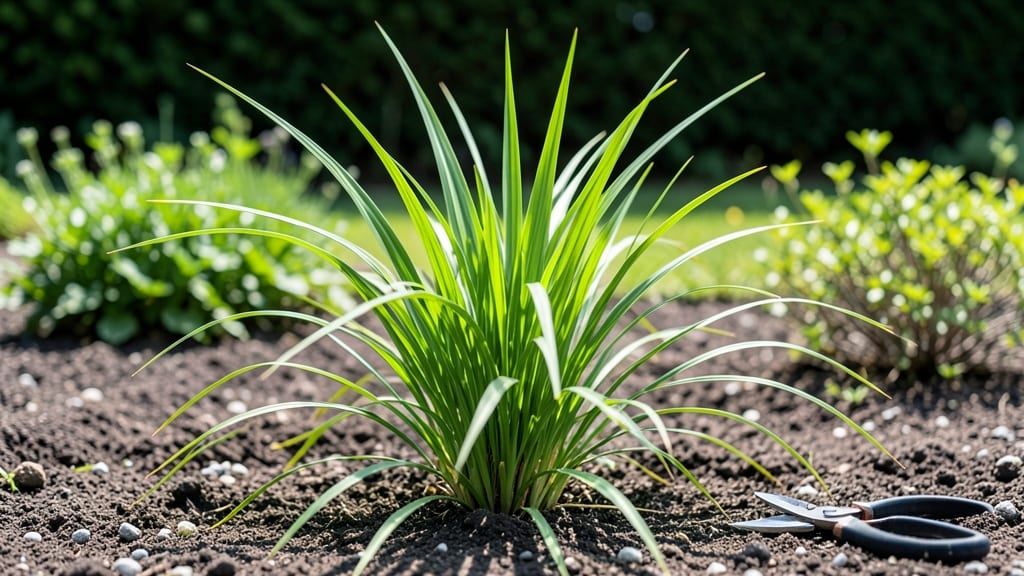
Growing lemon grass at home means fresh, fragrant stems for cooking and cocktails—without the grocery store markup. 🌿 I’ve grown it in pots for years, and the trick is keeping it warm, moist, and happy in just a few inches of soil.
The first time I harvested my own, I realized how easy it is to overlook this tropical herb until you’ve got a thriving stalk right on your patio.
You’ll need a container at least 12 inches deep (lemon grass has long roots), well-draining potting mix, and a spot with bright, indirect light—think morning sun or a south-facing window.
Water when the top inch of soil feels dry, and keep it consistently moist but never soggy. The key to success? Mimicking its natural tropical habitat without fuss.
By summer, you’ll be snipping fresh stems for curries, teas, or garnishes, and the plant will keep growing for years. It’s hardy once established, and propagation is as simple as dividing the clumps.
The citrusy aroma when you brush past it is the real reward—nothing beats homegrown lemon grass for flavor and fragrance.
Works just as well indoors near a sunny window as outdoors in warm climates. Here’s how to keep it thriving all season long—no green thumb required.
📚 In This Guide
- What you need
- Instructions
- Tips and common mistakes
- Wrapping up and next steps
What you need
- ● Lemon grass plants: 2–3 healthy stalks (purchased from a nursery or propagated from a friend’s plant). Look for thick, green stalks with tight leaves.
- ● Containers: 1–2 drainage holes required (use pots, buckets, or grow bags, 10–12 inches deep).
- ● Size: At least 6 inches in diameter per plant (or larger for multiple stalks).
- ● Potting mix: Well-draining, peat-based or coconut coir mix (avoid heavy garden soil). Add perlite or sand (10–20%) for aeration.
- ● Fertilizer: Balanced 10-10-10 or 20-20-20 (water-soluble) or organic options like composted manure.
- ● Watering can or spray bottle (for gentle hydration).
- ● Pruning shears or scissors (for trimming dead leaves or harvesting).
- ● Mulch (straw or shredded leaves) to retain moisture.
- ● Slow-release fertilizer tablets for convenience.
- ● Humidity tray or pebble tray (if your climate is dry).
- ● Lemon grass seeds (if you prefer growing from scratch—requires patience!).
Step-by-step instructions for growing lemon grass at home
Here’s how I grow this fragrant tropical herb—no greenhouse needed.
🌱 Step 1: Start with a Healthy Lemon Grass Stalk
Lemon grass grows from the base of a mature stalk, not the seeds. Look for a thick, plump stalk with tight, pale roots at the bottom. I like to use a stalk that’s at least 12 inches tall—it’s more established and will root faster. Cut it just above the roots to preserve the growing point.
Don’t skip this step—younger, thinner stalks struggle to root and often rot before they take. If you’re using a store-bought bunch, trim off the top leaves and any yellowed parts. The lower 4-6 inches of the stalk is all you need to start.
🪴 Step 2: Prepare the Container and Soil
Use a 6-inch diameter pot with drainage holes—lemon grass hates soggy roots. Fill the bottom 1 inch with small pebbles or perlite to improve drainage. Then add a mix of potting soil and sand or perlite (half and half) for a loose, airy texture. This prevents compaction and keeps roots healthy.
Moisten the mix until it’s damp but not dripping. Stick your finger in—it should feel like a wrung-out sponge. Avoid garden soil; it’s too dense and can harbor pests. I like to add a pinch of balanced fertilizer (10-10-10) to the soil before planting to give the roots a little boost.
💧 Step 3: Plant and Water for Root Establishment
Bury the lemon grass stalk 2-3 inches deep in the soil, leaving the top 2-3 inches exposed. Gently press the soil around the base to secure it, but don’t pack it down. Water lightly until the soil is evenly moist—you want the roots to make contact with water without being waterlogged.
Place the pot in a warm, bright spot with indirect light for the first week. Direct sun can scorch the young stalk while it’s establishing roots. I keep mine on a kitchen windowsill near a south-facing window. Mist the leaves occasionally to maintain humidity—this helps the roots grow faster.
☀️ Step 4: Transition to Sun and Fertilize Regularly
After 2-3 weeks, when you see new leaves emerging from the top, it’s time to move the plant to bright, indirect light for 6+ hours daily. Lemon grass loves warmth—aim for 65-85°F. If your home runs cooler, a grow light keeps it happy.
Start fertilizing every 4-6 weeks with a balanced liquid fertilizer (diluted to half strength). Over-fertilizing burns roots, so less is more. You’ll know it’s thriving when the stalk grows 6-8 inches taller in a month and new leaves unfurl. Trim back any brown or yellow leaves to encourage fresh growth.
✂️ Step 5: Harvest and Maintain for Long-Term Growth
Harvest lemon grass when the stalk reaches 12-18 inches tall. Cut it just above the soil line, leaving the base intact. This encourages new shoots to grow from the roots. You can also snip individual leaves from the top as needed—they’ll regrow quickly.
Water when the top inch of soil feels dry, but avoid letting it sit in water. Lemon grass is drought-tolerant once established, but it won’t forgive soggy soil. Every 3-4 months, repot into a slightly larger container if the roots are circling the bottom. With care, your plant will keep producing fresh stalks for years.
Tips & tricks for growing lemon grass indoors
Here's what I wish I'd known before my first attempt—these small details make all the difference with this tropical herb.
Selection Tip: The stalk you choose makes everything easier. Look for one with a firm, pale base that's at least 12 inches tall—these root best. I've tried thinner stalks, and they often rot before they take. Also, trim off any yellowed leaves before planting; they can harbor bacteria that slows root growth.
Soil Mix Matters: That half-and-half potting soil and perlite mix isn't just for drainage—it's about aeration too. Compacted soil suffocates roots, and lemon grass roots need room to breathe. If you don't have perlite, coarse sand works in a pinch, but avoid fine sand which can compact. I've seen plants double in size faster when using this airy mix.
The First Week is Critical: Don't rush the first week of indirect light. I learned this the hard way when my first plant got sunburned. Place it where it gets bright but filtered light—think east-facing window or under fluorescent lights. The goal is to keep the stalk alive while roots establish, not to grow it fast. A humidity dome (plastic bag over pot) helps too during this phase.
Temperature Check: Keep your lemon grass between 65-85°F—this is its sweet spot. If your home runs cooler, a simple heat mat under the pot works wonders. I've had plants struggle in rooms below 60°F, even with grow lights. The roots grow best when warm, which means faster establishment and stronger growth overall.
Pro Tips for Growing Lemon Grass At Home
- Here's what I wish I'd known before my first attempt—these small details make all the difference with this tropical herb.
- Selection Tip: The stalk you choose makes everything easier.
- Soil Mix Matters: That half-and-half potting soil and perlite mix isn't just for drainage—it's about aeration too.
Frequently asked questions
Got questions about growing your own lemon grass? You’re not alone! Here are answers to the most common queries—from beginners to seasoned gardeners—to help you cultivate this fragrant, versatile herb with confidence.
How long does it take for lemon grass to grow big enough to harvest?
With proper care, lemon grass grows fast—typically reaching harvestable size (12–18 inches tall) in 3–4 months. The leaves at the base are ready to use once they’re 12 inches long, but the stalks will keep growing! For containers, you might see slower growth, so keep it warm and watered consistently.
Why is my lemon grass turning yellow or brown?
Yellowing or brown tips usually mean overwatering or poor drainage. Lemon grass hates soggy roots! Ensure your pot has drainage holes and water only when the top 1–2 inches of soil feel dry. If the leaves are crispy, it’s underwatering—adjust your routine and trim damaged foliage to encourage new growth.
Can I grow lemon grass indoors without sunlight?
Lemon grass loves bright light (6+ hours/day), but it can survive indoors with artificial grow lights (LED or fluorescent) for 12–14 hours daily. Place it near a sunny window if possible, or supplement with lights to prevent leggy, weak stalks. A south- or west-facing window is ideal for natural light.
What’s the best way to propagate lemon grass from store-bought stalks?
Propagating is easy! Cut a stalk into 3–4 inch pieces, ensuring each has 2–3 nodes (bumpy sections). Remove lower leaves, leaving just the top few. Place the cuttings in water or moist soil—roots should sprout in 2–3 weeks. Once rooted, transplant to soil and keep it warm and humid until established.
How do I store harvested lemon grass for later use?
Fresh lemon grass stays crisp in the fridge for 1–2 weeks, wrapped in a damp paper towel and sealed in a plastic bag. For long-term storage, freeze it: Trim the stalks, wrap tightly in foil or plastic, and store for up to 6 months. You can also dry it by hanging bundles upside down in a warm, dark place for 1–2 weeks, then crumble and store in jars.
Will lemon grass survive winter in colder climates?
Lemon grass is tropical and won’t tolerate frost—temperatures below 50°F (10°C) can kill it. In cold climates, grow it in containers and move it indoors before the first frost. Place it near a sunny window or under grow lights until spring. If you lose it to cold, start fresh with new stalks in spring!
Wrapping up and next steps
Growing lemon grass at home is simpler than you think—this fragrant, versatile herb thrives in containers with just a little patience and care! 🌱 Whether you’re aiming for a fresh burst of flavor in your cooking or a natural remedy for wellness, your homegrown stash is just a few weeks away. Start small, stay consistent, and soon you’ll be harvesting bundles of this tropical treasure.
Ready to dive in? Pick a sunny spot, grab your supplies, and plant those stalks today! Your kitchen—and taste buds—will thank you. 😊