
Companion Plants
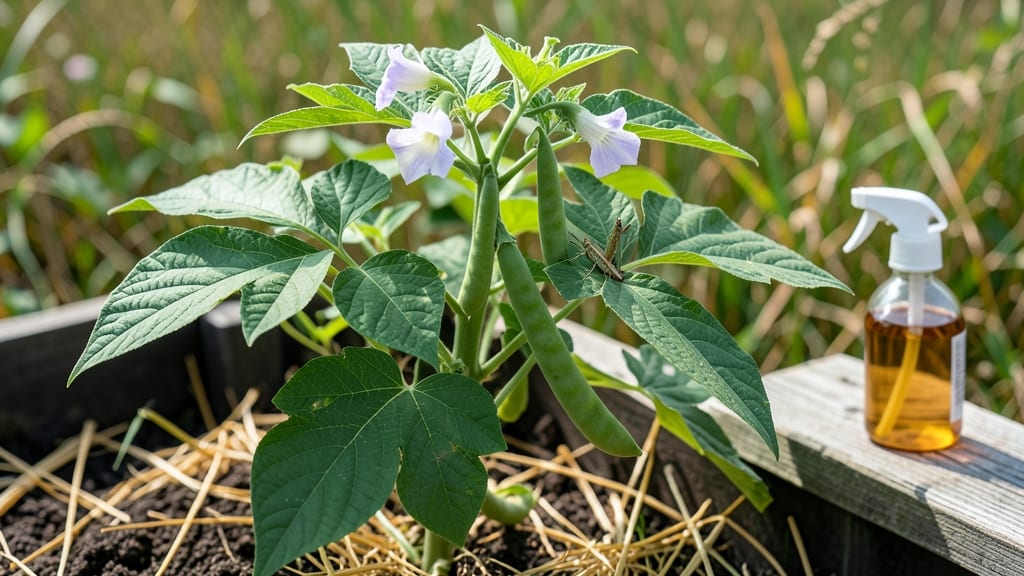
This grasshopper killer for plants might sound harsh, but these three powerhouse varieties actually deter the pests naturally—no sprays required. 🌿 Their bold aromas and rough leaves send hoppers running. Marigolds, basil, and catnip form an unbeatable trio when planted strategically around vulnerable crops.
These plants work because grasshoppers dislike their pungent aromas and fuzzy leaves. Marigolds release a natural compound that disrupts pests, while basil’s sharp scent masks the smell of your vegetables.
Catnip, surprisingly, confuses grasshoppers with its minty fragrance. Together, they create a natural barrier that keeps your garden safe without harming beneficial insects.
Start by planting marigolds along borders, then intersperse basil near tomatoes and peppers. Tuck catnip in corners or between rows of susceptible plants. Within weeks, you’ll notice fewer hoppers—and healthier, happier plants.
The best part? These plants are easy to grow and add beauty to your garden while doing the heavy lifting.
For extra protection, pair these with physical barriers like row covers or neem oil sprays during peak grasshopper season. The key is consistency: the more you integrate these plants, the stronger your garden’s defenses become. Your harvest—and your peace of mind—will thank you.
Why Grasshoppers Attack Gardens
Grasshoppers aren’t picky—they’ll munch on almost any green thing they find, but their relentless raids on gardens often feel like a personal vendetta. 🌱🐛 Understanding why these pests target your plants is the first step to outsmarting them.
Below, we break down the science behind their behavior, from environmental triggers to plant weaknesses that scream, "Eat me!"
Grasshoppers thrive in dense, unkempt gardens where they can hide, breed, and feast with ease. Here’s why overcrowding makes your plants a buffet:
- Lack of airflow: Tightly packed plants create humid microclimates—perfect for grasshopper eggs to hatch and nymphs to thrive. Stagnant air also weakens plants, making them easier prey. Actionable fix: Prune regularly and space plants 12–18 inches apart.
- More hiding spots: Tall grass, weeds, and debris provide shelter from predators (like birds and spiders) and pesticides. Grasshoppers feel safer in cluttered areas, so they linger longer. Actionable fix: Mow lawns short and clear debris monthly.
- Nutrient competition: Overcrowded plants struggle to absorb sunlight and water, becoming stressed. Stressed plants release volatile organic compounds (VOCs) that attract herbivores like grasshoppers.
Grasshoppers prefer plants that are young, tender, or already weakened. Their mouths aren’t built for tough fibers—they crave easy, nutrient-rich meals. Here’s what makes your plants irresistible:
| Plant Type | Why Grasshoppers Love It | How to Make It Less Appealing |
|---|---|---|
| New seedlings | Thin stems and high moisture content = easy chewing. | Use row covers until plants mature (4–6 weeks). |
| Legumes (beans, peas) | High protein and nitrogen content = grasshopper protein shake. | Plant near marigolds or basil (natural repellents). |
| Corn | Sweet, juicy silk and tender leaves = dessert bar. | Interplant with tomatoes or onions (grasshoppers dislike the scent). |
| Stressed plants | Drought or disease weakens cell walls, making them easier to digest. | Water deeply 1–2x/week and fertilize with neem oil (boosts resilience). |
Grasshoppers are cold-blooded, and they love dry, sunny conditions. When your garden becomes a desert, it’s a signal to them: "All you can eat!" Here’s the science:
- Drought weakens plants: Underwatered plants produce less silica (a natural defense compound), making leaves softer and more digestible.
- Heat attracts them: Grasshoppers bask in sunlight to regulate body temperature. Hot, dry gardens become their hangout spots, increasing the chance of infestations.
- Mulch matters: Organic mulch (like straw) retains moisture, but inorganic mulch (gravel) can dry soil faster, stressing plants and signaling grasshoppers to move in.
Pro tip: 💡 Water gardens early morning (reduces evaporation) and use drip irrigation to keep soil consistently moist without creating humid pockets.
In a healthy ecosystem, birds, spiders, toads, and even parasitic wasps keep grasshopper populations in check. But when these predators vanish, grasshoppers throw a rave in your garden. Common reasons:
- Pesticide overuse: Broad-spectrum pesticides kill beneficial insects first, leaving grasshoppers unchallenged. Fix: Use targeted sprays (like pyrethrin) only when necessary.
- Habitat destruction: Removing brush piles, leaf litter, or wildflower borders eliminates hiding spots for predators. Fix: Leave a "wild corner" of your garden for native insects.
- Monoculture gardens: Planting the same crop in large blocks (e.g., acres of corn) creates a grasshopper buffet with no breaks. Fix: Use companion planting (e.g., marigolds + tomatoes).
Now that you know why grasshoppers are crashing your garden party, the next step is flipping the script with plants that say, "Sorry, not today!" 🚫🐛
Natural Ways to Stop Grasshoppers
Grasshoppers can turn your lush garden into a buffet, but the good news is you don’t need harsh chemicals to keep them away. Here’s how to naturally deter, trap, and eliminate these pests while protecting your plants—using a mix of plant power, DIY solutions, and smart prevention.
Grasshoppers hate certain plants! Interplant these natural grasshopper repellents near your vulnerable crops to create a protective barrier:
- Marigolds 🌼 – Release a scent grasshoppers avoid; also deter aphids.
- Garlic & Onions 🧄 – Strong sulfur compounds confuse their senses.
- Catnip 🐱 – Surprisingly effective; grasshoppers steer clear.
- Lavender 🌸 – Its fragrance masks plant scents they seek.
- Basil & Mint 🌿 – Crush leaves occasionally to release oils that repel them.
Pro Tip: 💡 Plant these in clusters around the edges of your garden for maximum coverage.
When prevention isn’t enough, lure and trap grasshoppers before they cause damage:
🍎 Apple Cider Vinegar Trap (Easy & Effective)
- Mix 1 part apple cider vinegar with 1 part water in a shallow dish.
- Add a few drops of dish soap to break surface tension.
- Place traps near infested areas—grasshoppers drown within hours.
🥔 Beer Trap (Budget-Friendly)
- Bury a small container (like a plastic cup) in the soil, leaving the rim flush with the ground.
- Fill with beer—grasshoppers are attracted to the yeast and fall in.
🛡️ Row Covers & Netting
- Use fine mesh netting (1/4-inch or smaller) over young plants or seedlings.
- Secure edges with stakes or bricks to prevent grasshoppers from crawling underneath.
For a quick fix, spray these grasshopper-repelling mixtures directly on plants:
🌶️ Chili Pepper Spray (Spicy Defense)
- Blend 1 cup hot peppers (or 2 tbsp cayenne) with 1 quart water.
- Strain, add 1 tsp dish soap, and spray on leaves (reapply after rain).
🍋 Citrus & Oil Spray (Fresh & Strong)
- Mix peelings from 2 lemons/limes with 1 quart water, simmer 20 mins.
- Strain, add 1 tsp vegetable oil (helps stick to leaves).
- Spray early morning—grasshoppers avoid the scent.
🌱 Neem Oil Solution (Long-Lasting)
- Combine 1 tbsp neem oil, 1 tsp dish soap, and 1 quart water.
- Shake well and spray under leaves where grasshoppers hide.
⚠️ Warning: Always test sprays on a small plant first—some oils can harm sensitive foliage.
If infestations are small, handpick grasshoppers during:
- Early morning (they’re sluggish from dew).
- Cool evenings (they’re less active).
How to Dispose:
- Drop them in soapy water (instant humane kill).
- Relocate them far from your garden (if you prefer non-lethal methods).
Stop grasshoppers before they become a problem with these easy habits:
✅ Keep Your Garden Tidy – Remove weeds and debris where grasshoppers lay eggs. ✅ Water Deeply & Early – Grasshoppers avoid damp soil; water before 10 AM to dry leaves faster. ✅ Encourage Predators – Attract birds, toads, and spiders with:
- Bird feeders 🐦
- Pond or water feature 🐸
- Rock piles (for ground beetles)
✅ Rotate Crops – Grasshoppers target the same plants; change plant locations yearly. ✅ Use Mulch – A thick layer of straw or wood chips disrupts their egg-laying sites.
For maximum defense, pair these three powerhouse plants together:
- Marigolds (repels with scent)
- Garlic (confuses their senses)
- Catnip (grasshoppers avoid it)
Plant them in a triangle pattern around vulnerable crops like tomatoes, corn, or beans.
Final Thought: Grasshoppers may be tough, but with the right plant allies, traps, and sprays, you can outsmart them naturally—no chemicals required! 🚀
Frequently asked questions
Can I use these grasshopper-deterring plants in containers?
Marigolds, basil, and catnip all thrive in pots, making them perfect for balconies or small gardens. Use containers at least 12 inches wide and ensure proper drainage—grasshoppers dislike the confined space and strong aromas. Just place them near vulnerable plants to create a protective barrier.
How long does it take for these plants to start repelling grasshoppers?
Most repellent plants begin working within 2-4 weeks of planting, once they establish strong roots and release their signature scents. Marigolds and basil show faster results (about 3 weeks) because their oils develop quickly, while catnip may take slightly longer (4-6 weeks) to reach full effectiveness.
Will these plants harm beneficial insects like bees?
No—they're specifically chosen to target grasshoppers while being bee-friendly! Marigolds and basil are pollinator magnets, and catnip's scent doesn't affect bees. The key is planting them strategically: place repellent plants around garden edges rather than directly among flowers to maintain bee access to nectar sources.
What's the best time of year to plant grasshopper-repelling plants?
For maximum effectiveness, plant your repellent trio in early spring (just as grasshopper populations begin building) or late summer (to establish roots before fall hatching). In warmer climates, you can plant year-round, but aim for 6-8 weeks before peak grasshopper season in your area for best results.
Can I combine these plants with other grasshopper control methods?
Yes! These plants work even better when paired with physical barriers like row covers or traps. For example, use marigolds around garden edges while placing beer traps near corn plants. The combination creates a multi-layered defense that's more effective than any single method alone.