
Lawn
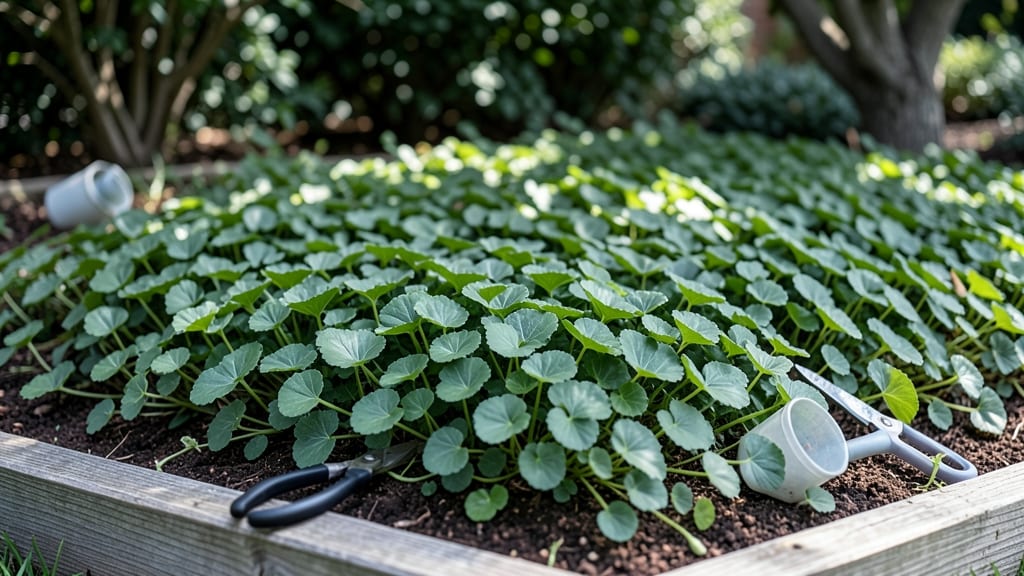
Creeping Charlie—this stubborn grass-runner weed—turns lush lawns into patchy nightmares faster than you can say "weed whacker." 🌱 I’ve battled it for years, and the key to winning is knowing exactly when and how to strike.
This isn’t just about pulling; it’s about outsmarting its spread with the right timing, tools, and a little patience. The problem starts with its aggressive roots and shade-loving habits. It thrives where grass struggles, smothering lawns and garden edges.
Most people dig too late or use the wrong method, letting it creep back within weeks. The solution? A three-step attack—pre-emergent in early spring, targeted spot treatments in summer, and a fall renewal to break its cycle for good.
You’ll see results in 4-6 weeks if you stay consistent: fewer purple flowers, slower spread, and a lawn that finally looks like yours again. The secret weapon? A mix of vinegar-based herbicide (for stubborn patches) and corn gluten (to block new growth naturally).
No more losing ground to this relentless invader. Works in full sun or shade, for lawns or garden borders. Let’s reclaim your turf—permanently.
Understanding The Root Causes
Grass runners—those tenacious, sprawling weeds that seem to take over lawns with alarming speed—don’t just appear out of nowhere. Their rapid spread is the result of a mix of biological advantages, environmental conditions, and even human habits.
Let’s break down the science behind why these weeds thrive where others falter, so you can outsmart them before they outgrow you.
Grass runners (often Digitaria or Cynodon species) are masters of efficiency. Their secret weapon? Stolons and rhizomes—horizontal stems that root at nodes, creating new plants as they grow.
Unlike annual weeds that rely on seeds, these runners spread vegetatively, meaning they don’t even need to flower or produce seeds to dominate your lawn. Here’s how it works:
- Stolons: Thin, above-ground stems that creep across soil, forming roots at each joint. A single stolon can produce dozens of new shoots in a season.
- Rhizomes: Thicker, underground stems that store energy and shoot up new plants vertically. These act like a hidden network, making eradication tricky.
- Rapid rooting: Even a small fragment of stolon or rhizome can regenerate into a full plant. That’s why mowing or pulling weeds often feels like a losing battle—you might leave behind enough stem to restart the invasion.
Actionable insight: If you’ve ever yanked a weed and seen new shoots pop up nearby, you’ve witnessed stolon or rhizome growth in action. The solution? Remove the entire root system—not just the top growth—or risk a comeback.
Grass runners don’t just grow—they thrive in conditions that most lawn grasses envy. They’re opportunistic survivors that exploit:
- Compacted or bare soil: Thin lawns or soil disturbed by foot traffic, construction, or poor drainage give runners the perfect foothold. They fill gaps faster than grass seeds can germinate.
- Full sun exposure: These weeds love heat and light. In sunny yards, they photosynthesize aggressively, outcompeting slower-growing grasses for water and nutrients.
- Moisture retention: While they tolerate drought, runners grow most explosively in consistently moist soil. Overwatering or poor drainage creates their ideal playground.
- High nitrogen environments: Fertilizer runoff or organic matter (like mulch piles) can feed runners faster than grass. They’re like weeds with a growth hack—they absorb nutrients efficiently.
Pro tip: 🌡️ Timing matters. Runners peak in late spring to early summer when soil is warm and moist. Preemptive measures—like overseeding or pre-emergent herbicides—work best before they take hold.
Even the best-maintained lawns can fall victim to grass runners if certain practices are in place. Here’s how humans accidentally help them:
| Lawn Care Mistake | How It Helps Weeds |
|---|---|
| Mowing too short | Weakens grass roots, leaving space for runners to invade. Short grass also shades out slower-growing species. |
| Skipping overseeding | Bare patches create entry points. Runners fill gaps before grass seeds can sprout. |
| Over-fertilizing | Excess nitrogen boosts weed growth more than grass. Runners use it to outcompete your lawn. |
| Ignoring soil health | Compacted or acidic soil stresses grass, while runners adapt to poor conditions. |
| Using weed killers incorrectly | Spot treatments leave runners unchecked in surrounding areas, where they spread unopposed. |
Key takeaway: Grass runners exploit weakness. A healthy, dense lawn is their natural enemy. Focus on prevention—like proper mowing height, soil testing, and targeted fertilization—to starve them out before they start.
Lawns aren’t natural—they’re monocultures designed to exclude diversity. When you remove native plants, insects, and microbes, you create a vacuum that weeds like runners rush to fill. Here’s why:
- Lack of competition: Native grasses and clovers naturally suppress weeds by crowding them out. A grass-only lawn leaves open real estate.
- Disrupted soil microbes: Healthy soil has fungi and bacteria that inhibit weed seeds. Chemical treatments or tilling can kill these beneficial microbes, tipping the balance in favor of runners.
- Animal activity: Birds, rodents, and even pets can unintentionally spread stolons via their paws or droppings. A single stolon fragment can hitch a ride to your yard.
Solution: 🌱 Encourage biodiversity. Plant clover or native ground covers to outcompete runners, or use beneficial nematodes to target weed roots without harming your lawn.
Quick Fixes for Unruly Vines
Taming grass runners weed (or any creeping ground cover) doesn’t have to be a battle—just a strategic approach. Below, we’ve mapped out practical, step-by-step solutions tailored to the root causes (literally!) of your vine woes.
Whether it’s aggressive spread, poor trellis support, or competition with other plants, these fixes will help you harness the vines’ potential while keeping your garden (and sanity) intact.
If your vines are taking over like an uninvited guest at a potluck, it’s time to set boundaries.
🌱 Physical Barriers: The First Line of Defense
Creeping vines thrive when they have free rein. Block their path with these low-maintenance solutions: - Landscape Fabric or Cardboard: Lay down a 1–2 inch layer under mulch in high-risk areas.
Slit the fabric every 6–12 inches to let vines climb trellises without spreading sideways. - Edging Materials: Use metal, plastic, or stone edging to create a clear border between your garden beds and lawn.
Bury it 4–6 inches deep to prevent roots from sneaking under. - Mulch Heavily: Apply 3–4 inches of wood chips or straw in problem areas. This smothers weeds while keeping soil moist for your trellised vines.
> 💡 Pro Tip: For persistent invaders, try a deep trench (12+ inches) filled with gravel or coarse sand. Vines will struggle to cross this barrier.
A well-supported trellis isn’t just for aesthetics—it’s a game-changer for managing growth.
👨🍳 Choose the Right Trellis Not all trellises are created equal.
Pick one that matches your vine’s growth habit: - Vertical Trellises (e.g., A-frame, obelisk) for fast-climbing vines like morning glories or pole beans. - Horizontal Trellises (e.g., cable systems, lattice panels) for sprawling runners like cucumbers or squash. - Tower Trellises (e.g., tomato cages adapted for vines) for heavy or bushy plants.
> ✨ Bonus: DIY a "vine fence" with bamboo stakes and twine for a budget-friendly, adjustable option.
🥘 Prune for Productivity
Regular pruning redirects energy toward fruit production (or edible leaves) instead of wild sprawl: 1. Pinch Back Early: When vines are 6–12 inches tall, snip the top growth to encourage bushier, stronger side shoots.
- Remove Suckers: Look for small shoots growing from the base or along stems—these drain energy. Snip them off at the base.
- Guide Growth: Gently weave vines through trellis openings every 2–3 days to prevent tangling.
> 🌡️ Heat Check: Prune in the early morning or evening to reduce stress on plants.
Prevention is the ultimate shortcut. Adjust your routine based on the season to minimize future headaches.
| Season | Task | Why It Works |
|---|---|---|
| Early Spring | Apply pre-emergent herbicide (organic options like corn gluten meal) | Stops weed seeds from germinating before vines get a foothold. |
| Late Spring | Install trellises early | Gives vines a head start on vertical growth. |
| Summer | Mulch & water deeply | Competes with weeds for moisture and nutrients. |
| Fall | Cut back dead vines | Removes harboring spots for pests/diseases. |
| Winter | Plan trellis upgrades | Off-season is perfect for reinforcing weak structures. |
If a vine is truly invasive (e.g., bindweed or kudzu relatives) and not edible, it’s time for aggressive action: 1. Dig Deep: Use a ditching tool to sever roots 12+ inches down.
- Solarize Soil: Cover the area with clear plastic for 6–8 weeks in summer to kill remaining roots.
- Vinegar Spray: Mix 1 gallon vinegar + 1 oz dish soap and spray directly on leaves (avoid desirable plants!).
> 🎯 Target Practice: Spot-treat only the problem areas—over-spraying can harm your trellised crops.
- ✅ Choose slow-spreading varieties (e.g., bush beans, dwarf squash) if creeping is a recurring issue.
- ✅ Rotate trellis locations yearly to deplete soil-borne pests.
- ✅ Interplant with competitors (e.g., nasturtiums deter some pests and mark trellis paths).
- ✅ Harvest frequently—overripe vines grow faster and spread more aggressively.
By combining physical control, smart trellising, and seasonal care, you’ll turn grass runners weed from a nuisance into a structured, productive part of your garden. Now go forth and harvest like a pro—without the chaos! 🌿🍅
Frequently asked questions about creeping Charlie (grass runners weed)
Why does Creeping Charlie spread so aggressively in my lawn?
This weed thrives because of its stolons—horizontal stems that root at nodes, creating new plants every few inches. It outcompetes grass by spreading faster in shady, moist areas where lawns struggle. Even small fragments can regrow, making it feel like a never-ending battle.
What’s the best time of year to treat Creeping Charlie?
Target it in early spring (March-April) when new growth emerges, or in late summer (August-September) before it sets seeds. Fall applications help break its growth cycle for next year. Avoid treating in winter when it’s dormant.
Will vinegar kill Creeping Charlie, or will it harm my grass?
Vinegar (1 gallon + 1 oz dish soap) works on Creeping Charlie but will also kill grass. For spot treatment, use a shield (like a piece of cardboard) to protect surrounding lawn. For large areas, consider corn gluten meal (organic) or targeted herbicides designed for broadleaf weeds.
How deep do I need to dig to remove Creeping Charlie roots?
Dig at least 4-6 inches deep to remove the stolons completely—shallow pulls leave root fragments that regrow. For stubborn patches, try solarization (covering with clear plastic for 6-8 weeks) to kill remaining roots without digging.
Can I prevent Creeping Charlie without chemicals?
Yes! Overseed with dense, shade-tolerant grass like fine fescue, apply 3-4 inches of mulch to block sunlight, and improve soil health with compost. Corn gluten meal (applied in early spring) also prevents seed germination naturally.