
Lawn
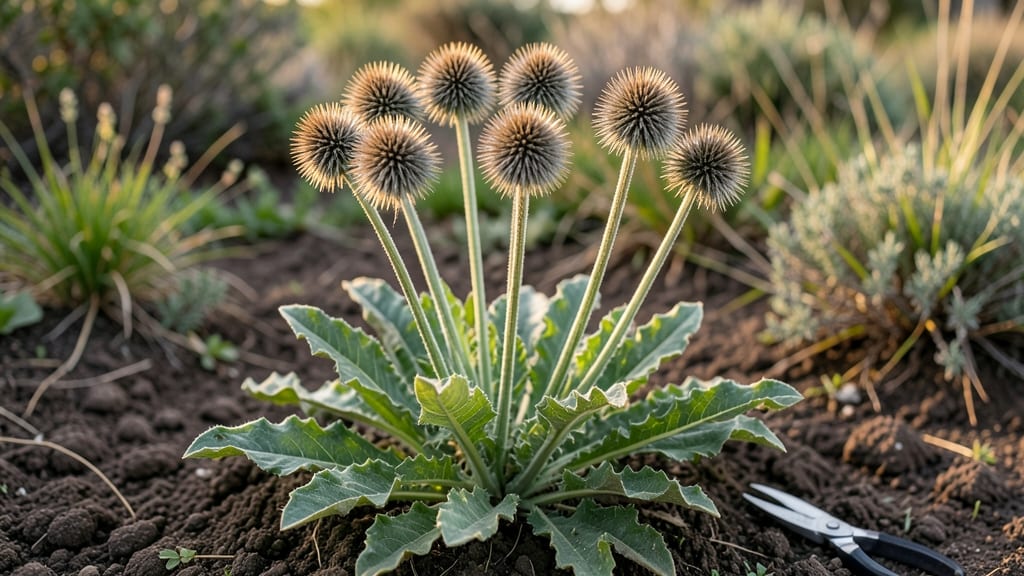
Those round spiky balls rolling through your grass aren’t decorative—they’re nutgrass (Cyperus rotundus), one of the toughest weeds to eradicate. 🌱 I’ve battled this invasive nuisance for years, and what worked for me is a mix of manual removal, smothering. and natural herbicides that actually stick.
The key? Targeting the underground tubers where the magic (and frustration) happens.
Nutgrass thrives in sunny, moist spots, spreading through those hard-to-spot tubers that can lie dormant for years. Most chemical sprays fail because they miss the roots—so I switched to a vinegar-based spray (20% acetic acid) applied directly to the crown.
For stubborn patches, a thick layer of cardboard or mulch suffocates the tubers in 4-6 weeks. The best time to strike? Early spring or late summer when the plant is actively growing.
By mid-summer, your lawn will look like it’s been professionally treated—no more spiky intruders, just smooth grass. The secret? Persistence. I’ve seen patches resurface after a few weeks, so repeat treatments are non-negotiable. For pollinator gardens, this method keeps nutgrass out without harming bees or butterflies.
If you’ve got kids or pets, opt for the cardboard smothering method—it’s safer and just as effective. The first year is the hardest, but after that, your lawn stays nutgrass-free with minimal effort. Ready to reclaim your grass? Let’s get started.
The Science Behind Spiky Seed Heads
When your lawn transforms into a prickly patch dotted with grass with round spiky balls, it’s usually a sign that certain grasses are going through their natural reproductive phase. These "balls" are actually seed heads—compact clusters designed to spread the plant’s genes.
But why do they appear, and what triggers this process? Let’s break it down by the most common causes.
Some grasses, like crabgrass or nutgrass, develop those signature spiky seed heads as part of their lifecycle. These plants thrive in warm seasons and produce seeds when they sense:
- Long daylight hours (typically in late summer or early fall).
- Warm temperatures (ideal range: 75–85°F).
- Dry soil conditions—drought stress signals the plant to reproduce before winter.
These grasses often invade lawns with thin turf, where they take advantage of bare spots. If left unchecked, their seeds can germinate next season, creating a recurring problem.
Inconsistent watering—either overwatering or underwatering—can stress grass, prompting it to shift into survival mode. Here’s how it works:
| Issue | Effect on Grass |
|---|---|
| Underwatering | Drought-stressed grass (like goosegrass) may produce seed heads to ensure genetic survival before dying back. |
| Overwatering | Weakens root systems, making grass more susceptible to invasive species (e.g., nutsedges) that thrive in soggy conditions and develop seed heads. |
| Irregular watering | Creates uneven moisture zones, encouraging weed seeds to sprout and form spiky clusters. |
Pro Tip: 💡 Aim for 1–1.5 inches of water per week, including rainfall. Deep, infrequent watering (2–3 times per week) strengthens roots and deters seed-head-producing weeds.
Grass needs a balance of nitrogen (N), phosphorus (P), and potassium (K) to stay healthy. When this balance is off, it can trigger unwanted seed production:
- Low nitrogen (N): Causes grass to become weak and patchy, inviting weeds like chickweed (which forms spiky seed pods).
- High phosphorus (P): Encourages rapid weed growth, including seed-bearing grasses that thrive in phosphorus-rich soil.
- Potassium (K) deficiency: Weakens grass’s resistance to stress, making it more likely to produce seeds as a last-ditch effort.
Soil tests can reveal imbalances. If your lawn is deficient, a slow-release fertilizer (with a higher N ratio, like 30-0-4) can help crowd out weeds before they seed.
Timing plays a huge role in seed-head formation. Most problematic grasses follow these patterns:
- Summer annuals (e.g., crabgrass): Produce seeds in July–September when days shorten and temps drop slightly.
- Winter annuals (e.g., henbit): Germinate in fall, grow through winter, and seed in early spring.
- Perennial weeds (e.g., nutgrass): Seed continuously if conditions are favorable, often peaking in late summer.
Environmental factors like compacted soil (from foot traffic or heavy equipment) or low sunlight (from overhanging trees) can also stress grass, prompting it to focus on reproduction over growth.
Understanding these triggers is the first step to prevention. The good news? Most of these causes can be managed with proactive lawn care—like proper mowing, watering, and soil testing—to keep your yard lush and ball-free.
Quick Fixes for Spiky Grass Balls
Now that you understand why those pesky round spiky balls (likely nut sedge or nutgrass) pop up in your lawn, it’s time to tackle them—without harsh chemicals.
Below are practical, step-by-step solutions tailored to the root causes, plus prevention tips to keep your lawn lush and free of these intruders.
If your lawn has small clusters of spiky balls, hand-pulling is the most immediate and eco-friendly solution.
👨🍳 Step 1: Identify the Right Time
- Best time to pull: Early morning or late afternoon (when soil is soft and moist).
- Avoid pulling after rain—the roots may slip away, leaving fragments behind.
🔪 Step 2: Dig Deep (But Not Too Deep!)
- Use a hand trowel or garden fork to loosen the soil around the plant.
- Grasp the base (not just the spiky ball) and wiggle it free—nutgrass has a thick, fibrous root system.
- Pro Tip: 💡 If the root breaks, leave it—digging deeper will disturb surrounding grass more than help.
🌱 Step 3: Fill the Hole & Water
- Pack the soil back into the hole and pat it down firmly.
- Water lightly to help grass roots re-establish.
✅ Why it works: Removes the entire plant before it spreads via seeds or runners.
For larger infestations, smothering cuts off sunlight and starves the weeds.
📊 Step 1: Cover the Area
- Lay down black plastic sheeting, thick cardboard, or thick layers of newspaper over the affected spots.
- Secure edges with bricks, rocks, or landscape fabric to prevent wind from lifting it.
☀️ Step 2: Let the Sun Do the Work (4-6 Weeks)
- The heat will kill nutgrass roots while preserving your lawn’s health.
- Check weekly—if weeds poke through, re-cover.
💪 Step 3: Remove the Cover & Reseed
- Once the area is completely clear, remove the covering.
- Rake the soil and sow fresh grass seed (or lay sod) to restore your lawn.
✨ Pro Tip: 🌱 For best results, combine smothering with corn gluten meal (a natural pre-emergent) in early spring to prevent regrowth.
If manual removal isn’t enough, vinegar-based sprays or boiling water can work—but use carefully to avoid damaging grass.
🍎 Option 1: Vinegar & Soap Spray (Spot Treatment Only)
- Mix:
- 1 gallon white vinegar (20% acetic acid)
- 1 cup salt
- 1 tbsp dish soap (as a surfactant)
- Spray directly on spiky balls (avoid healthy grass).
- Reapply every 2-3 days until dead (takes 1-2 weeks).
⚠️ Warning: This kills all plants—only use on bare spots or between cracks in pavement.
🔥 Option 2: Boiling Water (For Small Patches)
- Pour boiling water directly on the base of the spiky balls.
- Repeat weekly until the plant wilts and dies.
💡 Pro Tip: 🌡️ For hotter climates, boiling water works faster—nutgrass hates heat!
The key to a nutgrass-free lawn is proactive care.
🌱 Improve Lawn Health
- Mow high (3-4 inches)—taller grass shades out weeds.
- Aerate & overseed yearly to fill bare spots where nutgrass thrives.
- Fertilize properly—nutgrass loves weak, thin lawns.
🚫 Block Their Spread
- Remove thatch (layer of dead grass) with a rake or dethatcher—nutgrass hides in thatch.
- Clean mower decks & tools after use to avoid spreading seeds.
🌿 Use Natural Deterrents
- Corn gluten meal (applied in early spring) prevents weed seeds from germinating.
- Mulch heavily around garden beds to suffocate weeds.
| Season | Best Action | Why? |
|---|---|---|
| Early Spring | Pre-emergent (corn gluten) + overseed | Stops seeds before they sprout |
| Summer | Manual removal + smothering | Heat weakens nutgrass roots |
| Fall | Aerate, fertilize, reseed | Strengthens lawn for winter |
| Winter | Monitor & plan | Nutgrass goes dormant—perfect time to prep |
Nutgrass is tenacious, but with consistent effort, you can eliminate it naturally. Start with manual removal for small patches, smother larger areas, and strengthen your lawn to prevent regrowth.
Within a few months, your grass will be smooth, spiky-ball-free, and thriving—without chemicals! 🌿✨
Frequently asked questions
What are those round spiky balls in my lawn?
Those are likely nutgrass or nut sedge seed heads, which are perennial weeds that thrive in sunny, moist areas. The spiky balls contain seeds that spread easily, making them tough to eliminate once established. These weeds often pop up in thin or patchy grass where sunlight reaches the soil.
Are these spiky balls harmful to my lawn?
They’re not directly harmful, but they’re a sign of an unhealthy lawn. These weeds compete with grass for water, nutrients, and space, which can make your lawn look patchy and weak. If left unchecked, they’ll spread and create more bare spots where weeds can take over. Removing them helps restore your lawn’s health.
How do I tell the difference between nutgrass and crabgrass?
Nutgrass has round, spiky seed heads that look like tiny pinecones, while crabgrass has flat, finger-like seed clusters that spread outward. Nutgrass also grows in tufts with a triangular stem, whereas crabgrass spreads in broad patches. Check the base of the plant—nutgrass has thick, fibrous roots that store nutrients.
Will mowing help get rid of these spiky balls?
Mowing alone won’t eliminate them, but it can help prevent seed spread if you keep your lawn at 3-4 inches tall. Cutting the seed heads before they release spores reduces new growth. For best results, combine mowing with manual removal or smothering methods to target the roots.
Can I use vinegar to kill these weeds safely?
Yes, but use it carefully—vinegar (20% acetic acid) kills all plants it touches, including grass. Spot-treat only the spiky balls and avoid healthy grass. Mix 1 gallon vinegar + 1 cup salt + 1 tbsp dish soap for better results. Reapply every 2-3 days until the weeds die (usually 1-2 weeks).