
Lawn
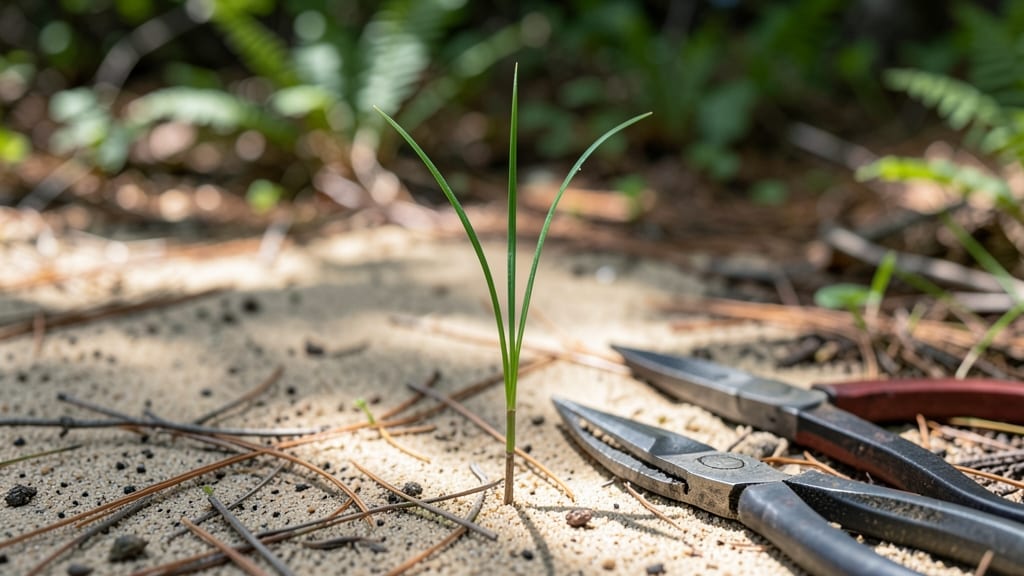
The grass stage of longleaf pine seedlings is where the real magic happens—this is when your tiny, grass-like sprouts transform into the iconic towering trees of the Southern wilds. 🌱 I’ve watched my own seedlings go from barely visible blades to sturdy 2-foot saplings in just a few seasons, and the key is understanding what they need during this delicate phase.
This stage lasts 1-3 years, depending on conditions, and demands patience—too much water, too little sun, or even a single hungry deer can set you back. The good news? Longleaf pines in this stage are drought-tolerant once established, making them the perfect native alternative to thirsty lawn grasses.
You’ll need well-draining soil, full sun, and protection from pests like voles and rabbits. Proper care means watering deeply but infrequently (about once a week unless it’s scorching) and keeping the area clear of competing weeds.
If you’ve ever struggled with a lawn that browns in summer, longleaf pine grass stage is your chance to grow something resilient instead. Once they reach 6-12 inches tall, you’ll start seeing the classic longleaf needles emerge—this is when they’re ready to transition to the next growth phase.
The payoff? A low-maintenance, fire-resistant landscape that thrives where other plants fail.
📚 In This Guide
- What you need
- Instructions
- Tips and common mistakes
- Wrapping up and next steps
What you need
- ● Longleaf pine seeds: 5–10 lbs (varies by lawn size; opt for local or native seed mixes for best adaptation).
- ○ Native grass seed blend (optional but recommended): 2–4 lbs (e.g., warm-season grasses like bahiagrass or bermudagrass for early-stage ground cover).
- ● Soil amendment: 2–3 bags of compost or peat moss (per 100 sq ft) to improve drainage and fertility.
- ● Mulch: 1–2 yards of pine straw or wood chips (to retain moisture and suppress weeds).
- ● Drip irrigation system or soaker hoses: 1–2 rolls (or a rainwater collection setup for sustainability).
- ● Broadcast spreader: 1 (for even seed distribution).
- ● Hand rake: 1 (to lightly scratch soil before planting).
- ○ Firebreak tools (optional but critical): Handheld leaf blower
- ● Garden hose with nozzle
- ● Pruners: 1 pair (for trimming saplings or invasive plants).
- ● Wheelbarrow: 1 (for hauling soil amendments or mulch).
- ● pH testing kit: 1 (to check soil acidity; longleaf pines thrive in pH 4.5–5.5).
- ● Safety gear: Work gloves
- ● Eye protection
- ● Knee pads
- ● Sunlight: Full sun exposure (6+ hours/day) for optimal growth.
- ● Well-draining soil: Test and amend if clay-heavy (longleaf pines hate soggy roots!).
- ● Timing: Plant seeds in late summer/early fall (ideal for Southern U.S. climates).
- ● Fire ecology awareness: Research prescribed burn practices if restoring native habitats.
- ● Native wildflower seeds: 1 lb (to attract pollinators and boost biodiversity).
- ● Soil solarizer: 1 (for sterilizing soil before planting).
- ● Wire mesh or hardware cloth: 1 roll (to protect seedlings from deer or rabbits).
- ● Smart irrigation controller: 1 (for automated watering schedules).
Step-by-Step guide to establishing grass stage longleaf pine
Here's how to transform your landscape into a resilient, drought-tolerant ecosystem using this native wonder.
🌱 Step 1: Prepare the Site for Planting
Longleaf pines thrive in open, sunny conditions with well-drained soil. Clear the planting area of existing vegetation, removing weeds and grass within a 6-foot radius around each planting site. Use a broadfork or tiller to loosen the top 12 inches of soil, breaking up compacted layers while preserving soil structure.
Test soil pH—longleaf pines prefer 4.5-5.5. If your soil tests higher, amend with sulfur or peat moss to lower the pH gradually. Avoid heavy fertilization at planting; these trees establish better with minimal nutrients. Mark planting locations with stakes, spacing them 12-15 feet apart for mature growth.
🌿 Step 2: Plant Seedlings at the Right Time
Plant bare-root seedlings in late fall or early winter (November through January) when soil temperatures are cool but not frozen. Dig holes twice as wide as the root ball but only as deep as the root flare—planting too deep suffocates the roots. Handle seedlings carefully; their fibrous roots are delicate and break easily.
Place each seedling in its hole, spreading roots outward to encourage wide establishment. Backfill with native soil, pressing gently to eliminate air pockets. Water immediately to settle the soil around roots. Mulch with 2-3 inches of pine straw, keeping it 6 inches away from the trunk to prevent rot.
☀️ Step 3: Manage Light and Water During Establishment
Young longleaf pines need full sun (6+ hours daily) but require protection from intense afternoon sun during their first growing season. Use shade cloth (30-50% shade) during summer months if your climate experiences extreme heat. Remove the cloth in autumn to allow full sun exposure as seedlings prepare for dormancy.
Water deeply once weekly during the first growing season, providing 1-2 gallons per tree to encourage deep root growth. Let the soil dry slightly between waterings—longleaf pines develop drought tolerance through proper water management. You'll know watering is adequate when the top 2 inches of soil feel dry to touch before the next watering.
✂️ Step 4: Prune and Monitor for Grass Stage Development
Longleaf pines enter their famous "grass stage" after 2-5 years of growth, developing a single, long grass-like needle. Remove competing vegetation within the 6-foot radius annually to reduce competition. Prune only to remove dead, damaged, or crossing branches—never "top" the tree as this stresses the plant.
Watch for signs of stress: yellowing needles indicate overwatering, while wilting suggests underwatering. Longleaf pines are fire-adapted; avoid excessive mulch that could fuel ground fires. After 3 years, you'll notice the first true needle development—this is when the tree begins its slow, majestic growth pattern.
🌲 Step 5: Transition to Mature Care
Once seedlings reach 3-4 feet tall (typically 4-6 years after planting), reduce watering to once every 2-3 weeks during dry periods. Fertilize lightly with slow-release native plant fertilizer in early spring, using only ¼ pound per 100 square feet to avoid nutrient burn.
Mature longleaf pines require minimal care but benefit from occasional deep watering during prolonged drought. Their deep roots make them remarkably resilient once established. You'll know your grass stage pines are thriving when they develop the iconic single needle and begin producing their signature 3-4 inch long needles—a sign of healthy, mature growth.
Tips & tricks for perfect grass stage longleaf pine establishment
Transforming your landscape with longleaf pines isn't just about planting—it's about creating the right conditions for their iconic grass stage to emerge. Here's what I've learned after years of working with these resilient trees.
Site Preparation is Everything: When clearing that 6-foot radius in Step 1, don't just remove weeds—think about the long-term ecosystem. Leave any existing leaf litter or organic matter on site; it naturally breaks down and improves soil structure over time. I've seen cases where homeowners removed ALL organic material, only to struggle with poor drainage later. That top 12 inches of loosened soil should feel like a well-aerated sponge, not compacted clay.
Root Flare Visibility is Critical: In Step 2, when planting your seedlings, the root flare should be just visible above the soil line—never buried. I've made the mistake of planting too deep, and within weeks, the seedling would show signs of stress. Use a small stick to mark the flare depth before digging, and check again after backfilling. That 2-3 inches of pine straw mulch should sit on top of the soil, not against the trunk—this prevents rot while allowing water to penetrate.
Watering Wisdom for First-Year Survival: That once-weekly watering in Step 3 is non-negotiable during the first growing season, but timing matters. Water in the early morning so the foliage has time to dry before evening—this prevents fungal issues. I've seen homeowners water at night, only to have seedlings develop brown tips from prolonged moisture. And when checking that top 2 inches of soil, use your finger—if it feels damp but not soggy, you're golden. Overwatering is the #1 killer of young longleaf pines.
Grass Stage Development Timeline: The 2-5 year window for grass stage development in Step 4 might seem long, but patience pays off. I've noticed that seedlings in warmer climates often enter this stage closer to 2 years, while cooler regions may take the full 5 years. Watch for that single grass-like needle—it's your first sign of success. And when you see it, resist the urge to prune! That needle is the tree's energy focus for its first true growth phase.
Pro Tips for Grass Stage Longleaf Pine
- Transforming your landscape with longleaf pines isn't just about planting—it's about creating the right conditions for their iconic grass stage to emerge.
- Site Preparation is Everything: When clearing that 6-foot radius in Step 1, don't just remove weeds—think about the long-term ecosystem.
- Root Flare Visibility is Critical: In Step 2, when planting your seedlings, the root flare should be just visible above the soil line—never buried.
Frequently asked questions
Got questions about the grass stage of longleaf pine? You’re not alone!
Here are answers to the most common queries—from planting tips to troubleshooting—so you can grow a resilient, drought-proof lawn with confidence.
What exactly is the "grass stage" of longleaf pine?
The grass stage refers to the first 1–2 years of growth when longleaf pine seedlings resemble clumps of ornamental grass. During this phase, they develop a fibrous root system, making them drought-tolerant and hardy. Think of it as their "superpower training camp" before they mature into towering trees!
How long does the grass stage last?
The grass stage typically lasts 12–24 months, depending on climate and care. In ideal conditions (full sun, well-drained soil), seedlings may bolt upward by year 2. Patience is key—rushing can stress young plants. Pro tip: Avoid mowing or trimming during this phase to protect their delicate roots.
Do I need to water longleaf pine seedlings in the grass stage?
Yes, but sparingly! Water deeply 2–3 times per week (or when soil feels dry 1–2 inches down) for the first 6 months. After that, reduce to once every 1–2 weeks to encourage deep root growth. Overwatering can suffocate roots—let nature do the heavy lifting once established!
Can I use longleaf pine as a living mulch instead of grass?
Longleaf pine’s grass stage makes it a fantastic living mulch alternative. Plant it in clumps (1–2 feet apart) to suppress weeds, retain moisture, and add native beauty. It’s perfect for drought-prone areas, slopes, or understory plantings. Just avoid dense planting—give roots room to breathe!
Why is my longleaf pine seedling turning brown in the grass stage?
Brown patches usually signal overwatering, poor drainage, or pest damage. Check soil moisture (it should feel slightly damp, not soggy) and ensure good airflow. Spider mites or fungal issues can also strike—treat with neem oil if needed. Don’t panic! Trim dead fronds and adjust care to revive your seedling.
Will longleaf pine grass stage survive in shade?
While longleaf pine prefers full sun, seedlings can tolerate partial shade (30–50% sunlight) during the grass stage. However, growth may slow, and they’ll be less drought-tolerant. For best results, plant in open areas or thin existing canopy to mimic their native habitat.
Wrapping up and next steps
Embracing the grass stage longleaf pine isn’t just about reviving native beauty—it’s a bold step toward resilient, drought-defying lawns that thrive with minimal fuss. 🌿 By choosing this low-maintenance, eco-friendly alternative, you’re investing in a landscape that’s as tough as it is stunning, all while supporting local ecosystems.
Ready to transform your yard? Start small—plant a few patches this season, monitor their progress, and gradually expand as confidence (and roots!) grow.
🌱 Your Next Step: Plant & Observe
Grab your seeds or seedlings, follow the care tips you’ve learned, and let nature do the rest. In a few years, you’ll have a lush, fire-resistant oasis that’s the envy of the neighborhood—and the bees will thank you too!