
Plants
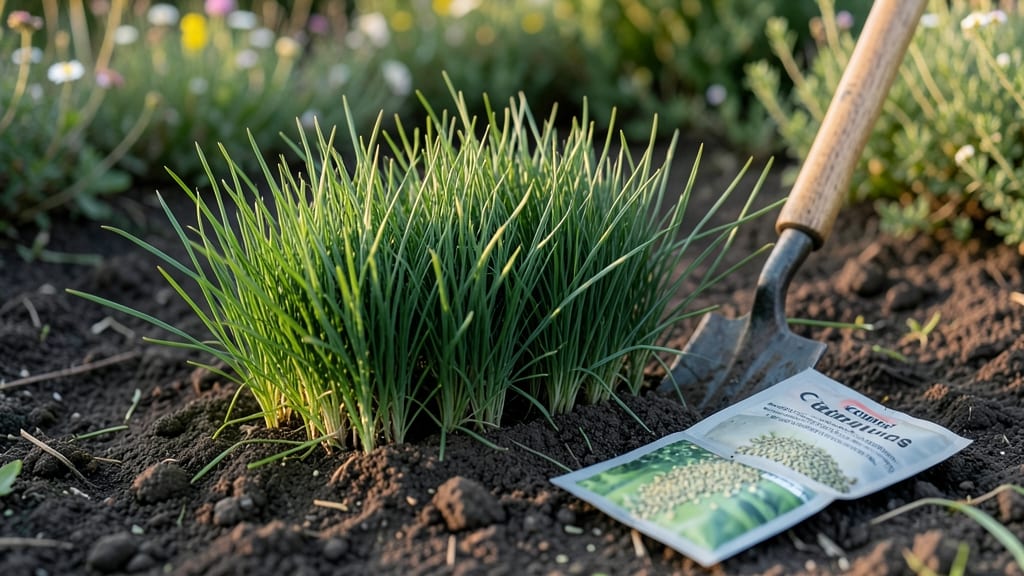
Planting grass seed in the fall is your best shot at a lush, weed-resistant lawn—but the window is narrower than you think.
Picture this: You’ve spent hours raking, tilling, and spreading seed, only to wake up to a frost-killed lawn because you planted too late. Or worse, your new grass struggles to compete with weeds because you started too early.
Fall is the perfect time to plant grass seed—but timing it wrong can mean wasted effort or patchy lawns.
Cooler temperatures and reduced weed competition make fall ideal, but the exact timing depends on your climate zone. In USDA Zone 6a, like many northern states, aim to plant 4-6 weeks before your first frost—typically late September to early October.
Southern regions can stretch it a bit later, but rushing it risks winter damage.
Below, I’ll break down the best planting windows by zone, how to prep your soil for maximum germination, and the 3 common mistakes that turn fall planting into a gamble. Let’s get that lawn growing strong before winter sets in.
Best fall grass seed planting windows by USDA climate zone
Fall is your golden opportunity to establish a lush lawn, but planting too early or late can ruin your efforts. The key is soil temperatures between 60°F and 75°F, which gives grass seeds time to germinate before winter dormancy.
Northern states (Zones 3-5) have tighter windows, while Southern states (Zones 6-10) enjoy longer planting seasons. Let’s break down the optimal planting windows by region to ensure your grass thrives.
Why does timing matter? Grass seeds need 4-6 weeks of warm soil before the first frost to develop strong roots. Planting too late means weak growth before winter, while early planting risks dormant soil or weed competition.
Your USDA zone determines the perfect window—so check your local frost dates and adjust accordingly. For example, Zone 5 gardeners should aim for mid-September, while Zone 8 can plant until November.
Here’s how to adjust for early or late falls. If your fall arrives earlier than average, plant cool-season grasses like fescue as soon as soil temps drop below 75°F. For late falls, switch to winter ryegrass, which germinates faster in cooler temps.
Always test your soil—pH between 6.0 and 7.5 is ideal for most grass types. Use a simple soil test kit to avoid guesswork.
| USDA Zone | Best Planting Window | Soil Temp Threshold | Key Grass Types | Adjustments for Early/Late Fall |
|---|---|---|---|---|
| Zones 3-4 (Northern) | Mid-September to early October | 60°F–70°F | Tall fescue, Kentucky bluegrass | Plant earlier if soil warms fast; use winter ryegrass if late. |
| Zones 5-6 (Mid-North) | Late August to mid-October | 65°F–75°F | Fine fescue, perennial ryegrass | Shift to September if fall cools early; avoid November. |
| Zones 7-8 (South) | September to early November | 70°F–78°F | Bermuda grass (warm-season), tall fescue | Plant later in Zone 8; winter ryegrass works until December. |
| Zones 9-10 (Far South) | October to December | 75°F–80°F | St. Augustine, zoysia | Avoid summer heat—plant after 90°F+ cools. |
For Northern states (Zones 3-5), focus on cool-season grasses like tall fescue or Kentucky bluegrass. These varieties thrive in cooler temps and establish roots before winter. Aim to finish planting by October 15th to give seeds time to germinate before frost.
If your fall is unusually warm, extend your window into early November—just monitor soil temps closely.
Southern states (Zones 6-10) have more flexibility, but timing still matters. In Zones 7-8, plant Bermuda or zoysia grass in early fall to avoid summer heat stress.
For Zones 9-10, even December planting can work if soil stays above 70°F. Always choose drought-tolerant varieties for these regions to handle winter dry spells.
Pro tip: Use a soil thermometer to track temps—ideal germination happens when soil is consistently between 60°F and 75°F for 7+ days. If temps drop below 50°F, germination slows dramatically. For late falls, opt for winter ryegrass, which germinates faster in cooler conditions and provides winter color.
Mulch lightly after planting to retain moisture and protect seeds from temperature swings.
Common mistakes to avoid: Planting when weeds are still active (they’ll outcompete grass) or ignoring soil prep (compacted soil = poor germination). Always aerate and overseed existing lawns in fall to fill thin spots.
After planting, keep soil moist but not soggy—water lightly daily until seeds sprout, then taper to 1–1.5 inches per week. A light mulch layer (like straw) helps retain moisture without smothering seeds.
Remember, fall planting = spring rewards. Grass seeded in autumn establishes deep roots over winter, giving it a head start in spring. By following your USDA zone’s ideal window and adjusting for local weather, you’ll skip the patchy lawns and enjoy a thick, green carpet next summer.
Happy planting! 🌱
How to prepare your lawn for fall grass seed planting
Fall grass seed planting offers cooler temperatures and fewer weeds, but your lawn needs the right prep to succeed. Soil preparation is key—loose, nutrient-rich soil ensures seed-to-soil contact and faster germination.
Start by mowing your lawn shorter than usual, but not too short, to create an ideal seedbed without stressing existing grass.
Weeds compete aggressively with new grass seed, so pre-emergent herbicide or manual removal is essential.
Test your soil’s pH (ideal range: 6.0–7.0 for most grasses) and amend with lime or sulfur if needed. Compost or slow-release fertilizer will give your new grass the nutrients it needs to establish strong roots before winter.
Set mower to 1.5–2 inches to clear debris and promote sunlight to soil. Avoid scalping, which can damage grass roots.
Use a core aerator to pull plugs of soil (1/2-inch diameter), creating holes for seeds to settle. Rent or buy a machine for large lawns.
Rake thoroughly to eliminate thatch, rocks, and weeds. Spot-treat remaining weeds with vinegar or a natural herbicide like corn gluten meal.
Check pH with a soil test kit. Adjust to 6.0–7.0 with lime (raise pH) or sulfur (lower pH). Mix in 1–2 inches of compost for nutrients.
Use a high-phosphorus fertilizer (e.g., 5-10-10) to encourage root growth. Follow package rates—over-fertilizing can burn seeds.
Rake again to create a smooth, firm surface. Fill low spots with topsoil and rake out high spots to ensure even seed distribution.
After prepping, spread your grass seed evenly using a broadcast spreader for large areas or a hand spreader for small patches. Lightly rake the soil to bury seeds ¼-inch deep—this protects them from drying out and birds while ensuring contact with moisture.
Water gently but thoroughly to settle seeds into the soil.
For the first 2–3 weeks, keep the soil consistently moist (not soggy) by watering lightly daily. Once seedlings reach 2–3 inches tall, gradually reduce watering to weekly deep soakings. Avoid walking on new grass until it’s mowed 2–3 times to prevent damage.
Fall planting sets your lawn up for a thicker, greener spring with minimal weed competition. With the right prep, your seeds will germinate quickly in cool weather and establish roots before winter dormancy—giving you a head start on a lush lawn next season! 🌱