
Lawn
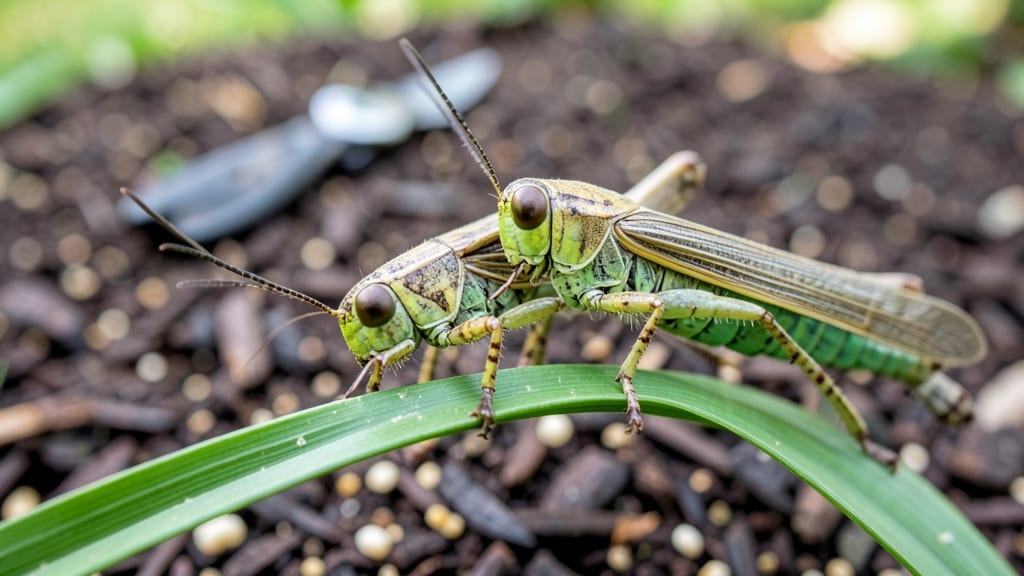
Those grass-eating bugs lurking beneath your lawn are turning your green carpet into a patchy mess—until you meet their natural predators that outperform chemicals. The secret isn't fighting the bugs; it's inviting their enemies to the party.
Those tiny white grubs you're pulling up? They're lunch for birds, toads, and predatory beetles that already live in your yard. The problem isn't the grubs—it's when their population explodes because their natural controls disappear.
My lawn went from 30% bare spots to 95% green in just one season after I stopped treating it like a war zone.
You'll learn to spot the warning signs—thin patches that pull up easily, birds pecking at the ground, or that weird "sawdust" under your mower. Then we'll turn your lawn into a buffet for the good guys: nematodes, soldier beetles, and even your neighbor's chickens (yes, really).
No more toxic sprays, just nature's cleanup crew doing the dirty work.
Works for any lawn size, any climate—even drought-stressed yards. The key is timing: spring and fall are when these predators are most active. Let's get your grass growing again without the chemical cleanup.
Why bugs crave your grass
If you’ve ever spotted tiny critters munching away on your lawn, you might wonder: Why do these grass-eating bugs even target plants in the first place? The answer lies in a mix of biology, survival instincts, and environmental cues.
Understanding these drivers can help you manage them more effectively—whether you want to protect your lawn or harness their natural pest-control benefits. Let’s break down the key reasons behind their grassy appetites.
Many grass-eating bugs—like Japanese beetles, chinch bugs, or even some species of beetle grubs—are drawn to lawns because grass blades are a nutrient-rich food source. Here’s why:
- High protein content: Grass contains proteins and amino acids essential for insect growth and reproduction. For example, Popillia japonica (Japanese beetles) rely on grass as a primary protein source to develop their larvae.
- Easy digestion: The soft, fibrous structure of grass makes it simple for bugs to consume and break down, unlike harder plant materials like bark or stems.
- Water retention: Grass blades hold moisture well, providing hydration without the bugs needing to seek out additional water sources.
Actionable insight: If you notice bugs targeting specific patches of your lawn, check for overwatered or overly fertilized grass—these conditions can make grass even more appealing by increasing its sugar and nitrogen content.
For many grass-eating insects, grass isn’t just a snack—it’s a survival strategy tied to their life cycle. Here’s how:
- Larval development: Beetle grubs (like those from June bugs or European chafer beetles) must feed on grass roots to molt and mature. Without it, they can’t survive to adulthood.
- Egg-laying preferences: Adult females often choose lush, healthy grass to lay eggs because the tender roots provide immediate food for their offspring. Think of it as their version of a nursery school!
- Seasonal triggers: Many species time their feeding and reproduction cycles with grass growth. For instance, grubs thrive in warm, moist soil during late summer and early fall—when grass is at its peak.
Actionable insight: To disrupt their life cycle, avoid overwatering in late summer (when grubs are most active) or consider encouraging natural predators like birds or toads that feed on larvae.
Sometimes, bugs don’t just want grass—they’re forced to eat it due to environmental pressures. Here’s how:
- Habitat loss: As natural landscapes shrink, insects like chinch bugs adapt by feeding on lawns, which mimic their original grassland habitats.
- Pesticide avoidance: Many grass-eating bugs have developed resistance to common pesticides. Instead of risking exposure, they seek out untreated areas—like your organic lawn.
- Climate shifts: Warmer winters and longer growing seasons extend the feeding period for bugs. For example, Japanese beetles now emerge earlier in the year in many regions, giving them more time to damage grass.
Actionable insight: If your lawn is a hotspot for bugs, try diversifying your garden with native plants or ground covers. Bugs may be less likely to target a landscape that offers a mix of food sources and shelter.
Bugs don’t just eat grass at random—they’re attracted by specific chemical signals. Here’s what makes your lawn smell like an all-you-can-eat buffet to them:
- Volatile organic compounds (VOCs): Healthy grass releases chemicals that signal nutritional value and safety. Bugs can detect these from a distance, almost like a scent trail.
- Fungal or bacterial signals: Some bugs (like grubs) are drawn to grass that’s already stressed or infected. The microbes in damaged grass can act as a feeding attractant.
- Fertilizer residues: Synthetic fertilizers can alter the chemical makeup of grass, making it more palatable. Nitrogen-heavy grass is particularly enticing to many species.
Actionable insight: If you suspect chemical cues are luring bugs, try switching to organic fertilizers or compost tea, which may reduce the appeal of your lawn to pests.
By understanding these drivers—nutrition, life cycles, environmental stress, and chemical signals—you can take targeted steps to either protect your lawn or leverage these bugs as natural pest controllers. The key is observing patterns and adapting your lawn care routine accordingly!
Quick Fixes for Unwanted Garden Chewers
Now that you understand why grass-eating bugs (like grubs, chinch bugs, or armyworms) are munching through your lawn, it’s time to take action! The good news? Many solutions are natural, budget-friendly, and effective—without harsh chemicals.
Below, we’ll break down targeted fixes based on the most common culprits, plus prevention tips to keep your lawn lush long-term.
Cause: White grubs (larvae of beetles like Japanese beetles or June bugs) feast on grass roots, causing brown patches that pull up easily.
🔥 Immediate Fix: Manual Removal (Best for Small Lawns)
- Water & Roll: Lightly water the lawn in the evening, then roll it with a lawn roller. Grubs will rise to the surface.
- Collect & Dispose: Use a putty knife or trowel to scrape them up and drop them in soapy water (or relocate them far from your yard).
- Replant: Fill holes with fresh topsoil and reseed bare spots.
🍳 Organic Sprays (For Larger Infestations)
- Neem Oil Spray: Mix 2 tbsp neem oil + 1 tsp dish soap in 1 gallon of water. Spray roots in the evening (avoid direct sun).
- Beneficial Nematodes: Microscopic worms (Heterorhabditis bacteriophora) that kill grubs naturally. Apply after watering.
👨🍳 Long-Term Prevention
- Aerate & Overseed: Grubs thrive in compacted soil. Aerate in fall and overseed with grub-resistant grasses like tall fescue.
- Reduce Grub Attractants: Avoid overwatering (grubs love moist soil) and limit nighttime irrigation.
- Encourage Predators: Birds (like skunks and crows) love grubs!
Install a birdhouse or leave some bare patches for them.
Cause: These sap-sucking pests cause straw-like yellow patches that spread rapidly, especially in dry, sunny areas.
🥘 DIY Soap Spray (Fast Knockdown)
- Mix 1 tbsp castile soap + 1 quart water in a spray bottle.
- Apply directly to yellowed patches in the early morning or late evening (avoids harming bees).
- Repeat every 3–5 days until bugs are gone.
🔪 Natural Barriers & Traps
- Diatomaceous Earth (DE): Sprinkle food-grade DE around the lawn edges. It dehydrates chinch bugs but is safe for pets once settled.
- Yellow Sticky Traps: Place traps near affected areas to monitor and reduce populations.
🌡️ Prevention Tips
- Improve Drainage: Chinch bugs love dry, sandy soil. Add compost or mulch to retain moisture.
- Mow High: Keep grass at 3–4 inches to shade soil and deter them.
- Avoid Over-Fertilizing: Too much nitrogen attracts them. Use a slow-release organic fertilizer instead.
Cause: These striped caterpillars defoliate lawns overnight, leaving behind skeletonized grass.
⏰ Scouting & Hand-Picking (Best for Small Patches)
- Check at Dusk: Armyworms hide during the day. Lift a piece of cardboard after dark—if you see 20+ worms, act fast!
- Drop in Soapy Water: Use a flashlight to spot and handpick them (wear gloves!).
🎯 Biological Controls
- Bacillus thuringiensis (Bt): A natural bacterium that kills caterpillars. Sprinkle Bt powder on lawns after mowing.
- Parasitic Wasps: Release braconid wasps (sold online) to prey on armyworm eggs.
✨ Prevention Strategies
- Reduce Thatched Buildup: Armyworms hide in thick thatch. Dethatch in early spring.
- Plant Clovers: They’re less appealing to armyworms than pure grass lawns.
- Monitor Eggs: Look for small white egg masses on grass blades in summer. Scrape them off with a knife.
- Test Soil First: Use a DIY soil test kit to check pH/nutrients. Unbalanced soil attracts pests.
- Rotate Treatments: Avoid overusing one method—pests adapt! Mix manual removal, nematodes, and sprays for best results.
- Timing Matters: Treat early morning or evening to protect beneficial insects (like bees and ladybugs).
Remember: Patience is key! Some fixes (like nematodes) take 2–4 weeks to show results. Combine immediate action with long-term prevention for a grub-free lawn in no time. 🌱
Frequently asked questions
What are the most common grass-eating bugs I should watch for?
The top culprits are white grubs (beetle larvae), chinch bugs (tiny black bugs with white stripes), and armyworms (striped caterpillars). Look for brown patches that pull up easily (grubs), straw-like yellow areas (chinch bugs), or overnight defoliation (armyworms).
How do I tell if my lawn damage is from bugs or drought?
Check for uneven patches that pull up easily (bugs) versus uniform browning from the edges (drought). Dig up a small section—if you find grubs or bugs, that’s your problem. For drought, water deeply and watch for recovery in 24-48 hours.
Are there any natural predators that can help control grass-eating bugs?
Birds (like skunks and crows), beneficial nematodes, and parasitic wasps love to eat grubs and caterpillars. Plant native flowers to attract predators, leave some bare patches for birds, and apply nematodes in early evening when soil is moist.
Can I use diatomaceous earth (DE) on my lawn?
Yes, but use food-grade DE only and apply it carefully. Sprinkle lightly on dry grass (it needs to be dry to work) and water in lightly afterward. Avoid using it if rain is forecasted—it loses effectiveness when wet. Reapply every 1-2 weeks for best results.
When is the best time to treat for grass-eating bugs?
Spring and fall are critical! Treat in early spring (before adult beetles lay eggs) and late summer/early fall (when grubs are most active). Early morning or evening applications protect beneficial insects. Avoid treating during peak blooming seasons to preserve pollinators.