
Lawn
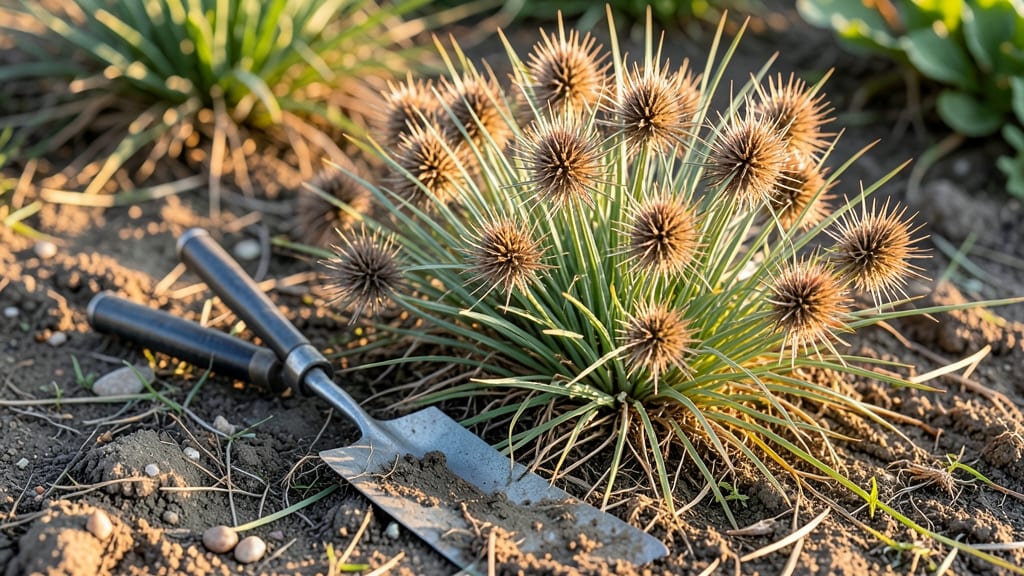
The secret to painless grass burr removal is finally here—no more bloody knuckles or endless tugging. 🌱 I’ve spent hours wrestling with these spiky invaders, and I’ve cracked the code on how to pull them out without losing your hands—or your patience.
The key is timing: remove them before they embed deep, and use the right tools—a sturdy glove, a burr rake, or even a damp towel to grab them easier. Chemical treatments work too, but I prefer manual removal because it’s faster and safer for pets and kids.
By the end of a single afternoon, you’ll have a smooth lawn again—no more stepping on sharp little surprises. The secret is consistency: check weekly, pull early, and you’ll keep them from taking over. Works for any yard size, from small patches to full lawns.
Let’s get those burrs out for good!
The Hidden Triggers Behind Stubborn Burrs
Grass burrs—those tiny, tenacious seeds—don’t just appear out of nowhere. Understanding why they latch onto your lawn, shoes, or clothing is the first step to preventing and removing them effectively. Below, we break down the science-backed reasons behind their stubborn presence, so you can tackle them head-on.
Grass burrs (like those from crabgrass, sandburs, or foxtails) are designed to spread. Their spiky, hooked structures evolved as a survival tactic to cling to animals, clothing, and even moving vehicles. Here’s how nature plays a role:
- Wind and Movement: Burrs release seeds when mature, relying on wind, water, or passing creatures to transport them.
A single plant can produce thousands of seeds, ensuring widespread distribution. - Animal Hitchhikers: Deer, rabbits, and even your dog can unknowingly carry burrs across your yard, dropping them in fresh patches. - Human Activity: Walking through infested areas or wearing outdoor gear (like boots or towels) can inadvertently spread burrs to pristine lawns.
Pro Tip: 🌡️ Timing matters—burrs are most aggressive in late summer to early fall, when seeds are ripe and ready to disperse.
Neglected lawns create the perfect breeding ground for burrs. Here’s how your care (or lack thereof) invites them in:
- Thin or Patchy Grass: Bare spots or weak turf allow burr seeds to germinate unchallenged. Healthy, dense grass outcompetes weeds and burrs naturally. - Overwatering or Underwatering: Both extremes stress grass, leaving gaps for burrs to take root.
Aim for 1–1.5 inches of water per week (including rain) to keep grass resilient. - Lack of Mowing: Tall grass shades the soil, encouraging burr growth.
Mow regularly (but not too short—leave grass at 3–4 inches for root strength). - Improper Fertilization: Over- or under-fertilizing weakens grass, making it vulnerable. Use a balanced, slow-release fertilizer in spring and fall.
Warning: ⚠️ Mulch mowing can spread burr seeds if your lawn is already infested—bag clippings until the problem is under control.
Burrs thrive in specific environmental conditions. If your yard matches these, you’re likely to see more of them:
| Factor | How It Helps Burrs | Solution |
|---|---|---|
| Drought Stress | Weakens grass, leaving room for burrs. | Deep water weekly; aerate compacted soil. |
| Poor Drainage | Waterlogged areas create ideal germination spots. | Test soil pH (aim for 6.0–7.0); amend with sand or compost. |
| High Foot Traffic | Compacts soil, preventing grass recovery. | Reroute paths; overseed bare areas. |
| Clay or Sandy Soil | Clay holds moisture (encouraging burrs); sand drains too fast (stressing grass). | Add organic matter (compost) to improve texture. |
Key Insight: 🔍 Burrs love disturbed soil—construction, new landscaping, or even aeration can temporarily increase their numbers. Stay vigilant post-project.
When grass is already under siege, burrs move in. Common culprits include:
- Grubs and Insects: Grubs (larvae of beetles) chew grass roots, creating weak patches. Prevent with: Milky spore bacteria or beneficial nematodes.
- Fungal Infections: Diseases like brown patch or dollar spot kill grass, leaving gaps for burrs. Fix with: Fungicides (if severe) or cultural fixes like improved airflow.
- Deer or Rabbit Overgrazing: These animals nibble grass down to the roots, inviting burrs. Deter with: Fencing or repellents (like rotten egg spray).
Pro Tip: 🛡️ Healthy grass is your best defense—test soil annually and address deficiencies (like nitrogen or potassium) before burrs take hold.
Sometimes, burrs sneak in from outside sources. Common ways they hitch a ride:
- New Plants or Mulch: Infested mulch, sod, or even potted plants can introduce burrs. Solution: Inspect new materials before bringing them home.
- Firewood or Tools: Tools left in infested areas (or firewood from untreated sources) can carry burrs to your yard.
- Pet Gear: Dog collars, leashes, or towels dragged through burr patches spread them indoors.
Action Step: 🧹 Quarantine new items—rinse tools, shake out gear, and inspect plants before planting.
Tactical Ways to Remove Stubborn Grass Burrs
Grass burrs—those tenacious little seed pods—can turn a simple walk into a painful ordeal. Whether they’re clinging to your shoes, your pet’s fur, or even your lawn, removing them efficiently is key.
Below, we’ve mapped out practical, step-by-step solutions tailored to the most common causes of burr buildup, plus prevention tips to keep them at bay for good.
Cause: Walking through overgrown grass or fields where burrs latch onto fabric or soles.
Fix It:
- 🔥 Dry Removal First
- Shake out shoes or clothing outdoors to dislodge loose burrs.
- Use a dry brush or lint roller to gently scrape off stubborn ones.
- 🍳 Tape or Glue Trick
- Apply duct tape (sticky side out) to the affected area and press firmly. Pull quickly to rip burrs off.
- For fabric, try rubbing alcohol on a cotton ball—dab on burrs to weaken their grip before brushing.
- 👨🍳 Freeze for Stubborn Cases
- Place the item in a sealed bag and refrigerate for 30 minutes. Cold makes burrs brittle, so they’ll break off easier.
💡 Pro Tip: Keep a small handheld vacuum in your car—it’s perfect for sucking up burrs from shoes or pet fur mid-outing!
Cause: Pets rolling in grass or brushing against burr-covered plants.
Fix It:
- 🔪 Careful Plucking
- Use tweezers or hemostats to grip the burr’s base and pull straight out (never twist—it can embed deeper).
- For short-haired pets, a fine-tooth comb (like a flea comb) works well.
- 🥘 Bath Time Hack
- Apply conditioner or coconut oil to damp fur to loosen burrs, then comb through.
- Never shave—burrs can lodge in the skin and cause infections.
- ⏰ Prevention for Future Outings
- Trim long fur around paws and belly where burrs love to hide.
- Spray pet’s coat with water before outdoor adventures to reduce burr adhesion.
Cause: Overgrown grass seeds or invasive plants (like sandburs) spreading in your yard.
Fix It:
- 🔥 Manual Extraction
- Wear gloves and long sleeves to protect your skin.
- Use a hand trowel or fork to pry burrs from the soil—focus on roots to prevent regrowth.
- 🍳 Vinegar or Salt Spray (For Invasive Plants)
- Mix 1 gallon of white vinegar + 1 cup salt + 1 tbsp dish soap. Spray directly on burr patches (avoid desirable plants).
- Reapply weekly until the area is clear.
- 🌡️ Mow Regularly
- Keep grass 3–4 inches tall to discourage burr seed production.
- Dethatch your lawn in spring to remove buried burr debris.
🎯 Prevention Tip: Plant clover or dense ground covers in high-traffic areas—they outcompete burrs naturally!
Cause: Driving on rural roads or parking near overgrown fields.
Fix It:
- 🔪 Vacuum First
- Use the crevice tool on your vacuum to reach between seat cracks.
- For fabric seats, a damp microfiber cloth can help lift burrs before vacuuming.
- 🥘 Ice Cube Trick
- Wrap a few ice cubes in a towel and press into the upholstery. The cold makes burrs pop off—then vacuum.
- ✨ Long-Term Solution
- Keep a small brush in your car to sweep seats after trips.
- Use leather conditioner on vinyl seats—it creates a slick surface burrs can’t grip.
💡 Universal Prevention Tip: After any outdoor activity, do a quick shake-out routine—dump pockets, tap shoes, and inspect pets/clothes. A few minutes now saves hours of itching later!
Frequently asked questions
Why do grass burrs cling so tightly to clothes and pets?
Grass burrs have tiny, hooked barbs designed to latch onto anything that brushes against them—like fur, fabric, or even your skin. These barbs evolved to help seeds spread by hitchhiking on animals and clothing. The tighter the material, the better they grip, which is why they’re so stubborn on jeans or thick pet fur.
What’s the fastest way to remove burrs from shoes?
Try the duct tape trick: Press sticky side out onto the sole and peel quickly to rip burrs off. For stubborn ones, freeze shoes in a bag for 30 minutes first—cold makes burrs brittle. A handheld vacuum works too for instant removal mid-outing.
Can I use vinegar to kill grass burrs in my lawn?
Yes! Mix 1 gallon white vinegar + 1 cup salt + 1 tbsp dish soap and spray directly on burr patches. Reapply weekly until they die. Avoid desirable plants—vinegar kills everything it touches. For spot treatment, use a drop cloth to protect surrounding grass.
Why do burrs keep coming back even after removal?
Burrs spread through wind, animals, and even your shoes. If your lawn has bare spots or weak grass, new seeds will take root quickly. Prevent regrowth by mowing regularly (3-4 inches height) and overseeding thin areas. Check for animal activity too—deer or rabbits can spread seeds.
Are there any pet-safe burr removal methods?
For pets, use a fine-tooth flea comb or tweezers to pluck burrs gently. Never shave fur—it can cause infections. A damp towel with conditioner helps loosen burrs before combing. For prevention, trim long fur around paws and spray coats with water before outdoor adventures.