
Lawn
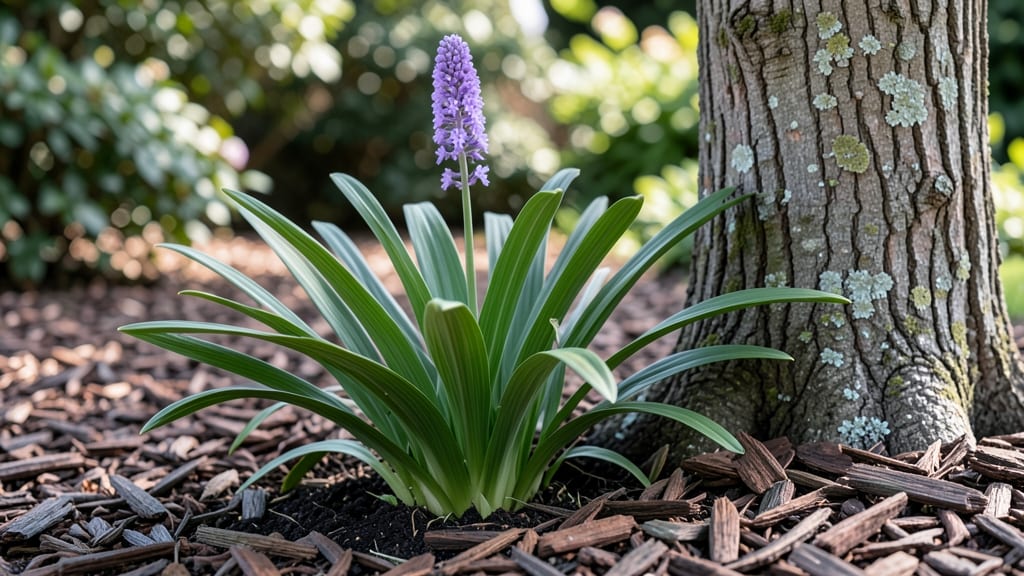
Grass around trees often becomes a frustrating battle of roots and shade. 🌳 I've spent years watching lawns struggle in tree shadows—until I discovered the right shade-tolerant grasses and care tweaks that actually work. The secret isn't forcing grass where it won't grow; it's working with the tree's natural environment.
Most lawns fail here because they use sun-loving grasses like Kentucky bluegrass, which thin out under tree canopies. Instead, try fine fescue or creeping red fescue—they handle shade better and need less water.
The real game-changer is proper mulching: a 3-inch layer of wood chips keeps soil moist, blocks weeds, and gives roots room to breathe without competing with grass.
With the right approach, you'll end up with a lawn that looks thick and green, not patchy and stressed. The grass stays green longer in summer, and your trees get the care they need without smothering. Plus, you cut down on watering and mowing in those shady spots.
This works for any yard with mature trees—whether you've got oaks, maples, or fruit trees. The key is adjusting your expectations and care routine to match the shade conditions. Let's get that lawn looking its best without sacrificing your trees' health.
📚 In This Guide
- What you need
- Instructions
- Tips and common mistakes
- Wrapping up and next steps
What you need
- ● Shade-tolerant grass seed: 10–20 lbs (depending on area size; ~1 lb per 100 sq. ft.)
- ● Recommended varieties: Fine fescue, creeping red fescue, or shade-tolerant Kentucky bluegrass
- ● Topsoil or compost: 2–4 inches (5–10 cm) per sq. ft. (screened for weeds/seeds)
- ○ Optional boost: Mix in 10% organic matter (e.g., peat moss or coconut coir)
- ● Mulch (straw or shredded wood): 1–2 inches (2.5–5 cm) to retain moisture and suppress weeds
- ● Lawn fertilizer (low-nitrogen, slow-release): 1–2 lbs per 100 sq. ft. (look for a 10-10-10 or 5-10-10 blend)
- ● Watering system: Hose with adjustable nozzle or drip irrigation kit (for gentle, consistent moisture)
- ● Tree guards or edging: Plastic or metal rings (6–12 inches wide) to protect tree trunks from mower damage
- ● Garden rake: Metal or plastic (for leveling soil)
- ● Handheld shovel or spade: For digging small areas or adjusting roots
- ○ Broadcast spreader: For even seed distribution (optional but helpful for larger areas)
- ● Wheelbarrow: To haul soil, mulch, or compost
- ● Pruners: For trimming invasive roots or weeds near the tree base
- ● Knee pads or gardening stool: Because comfort matters! 😉
- ● Clear the area: Remove debris, weeds, and existing grass within 12–18 inches of the tree trunk.
- ● Test your soil: Use a pH test kit (ideal range: 6.0–7.0 for most shade grasses). Adjust with lime (to raise pH) or sulfur (to lower) if needed.
- ● Water access: Ensure your watering system can reach the entire area—shade grass needs consistent moisture to establish.
- ● Timing: Plant in early fall or spring when temperatures are mild (avoid peak summer heat!).
- ● Pre-emergent herbicide (spot-treat only!) to prevent weeds during establishment.
- ● Ground cover fabric (biodegradable) under mulch for extra weed suppression.
- ● Soil aerator (manual or spike) if your lawn has compacted soil.
- ● Shade cloth (30–50% coverage) if planting in very deep shade (temporary setup).
Step-by-Step guide for establishing grass around trees
Here’s how to create a lush, shade-tolerant lawn around your trees without damaging roots or competing for nutrients.
🌱 Step 1: Clear and Prepare the Area
Start by removing any existing weeds, debris, or grass within a 12-inch radius of the tree trunk. Use a hand trowel or weeding knife to avoid disturbing the tree’s root zone. I like to work in small sections—this keeps me precise and prevents accidental root damage.
Loosen the soil gently with a rake, breaking up compacted areas without digging deeper than 2 inches. This aerates the soil just enough for new grass roots to establish. Avoid piling soil against the tree trunk, as this can suffocate roots and attract pests.
💧 Step 2: Choose and Spread Shade-Tolerant Seed
Select a shade-tolerant grass blend designed for low-light areas, like fine fescue or creeping red fescue. These varieties thrive where sunlight is limited. Spread the seed evenly over the prepared area, using about ½ pound per 100 square feet—this ensures full coverage without overcrowding.
Lightly rake the seed into the soil with a leaf rake, pressing it just enough to make contact with the earth. This prevents seed from washing away during watering. I like to work in one direction first, then cross-rake to even out any clumps.
☀️ Step 3: Water and Maintain Moisture
Water the seeded area immediately after planting, keeping the soil consistently moist for the first 2-3 weeks. Aim for ¼ inch of water daily, either from rainfall or gentle overhead watering. You’ll see the first green shoots emerge within 7-14 days—this is your signal that germination is working.
Once the grass reaches 2-3 inches tall, reduce watering to 1-1.5 inches per week to encourage deep root growth. Avoid watering the tree trunk directly, as this can promote fungal growth. Instead, water around the tree’s drip line to support both the grass and the tree’s roots.
✂️ Step 4: Protect and Maintain the New Lawn
Wait until the grass reaches 3-4 inches tall before mowing—this ensures the roots are strong enough to handle trimming. Use a sharp mower blade set to 3 inches to avoid scalping the grass. Mulch any grass clippings to return nutrients to the soil naturally.
Apply a slow-release, low-nitrogen fertilizer designed for shade lawns in early spring and again in early fall. This feeds the grass without overstimulating growth, which can stress the tree. Always keep the fertilizer 6 inches away from the tree trunk to protect the bark and roots.
Tips & tricks for perfect grass around trees
Here's what I learned after dealing with patchy grass under my own shade trees—these tricks make all the difference.
Precision Clearing: When removing grass in Step 1, work in concentric circles starting from the trunk outward. This prevents accidentally digging deeper than the 2-inch limit near the roots. I use a small garden flag to mark the 12-inch radius boundary—it's easier than measuring repeatedly. The key is patience here; rushing can damage shallow roots you can't even see.
Seed Distribution Secret: For the ½ pound per 100 square feet seed rate in Step 2, I recommend using a seed spreader with an adjustable setting. Walk slowly in overlapping passes to avoid thin spots. After spreading, do a quick visual check—you should see seed coverage look like "dusting" rather than clumping. This ensures even germination and prevents future thinning.
Watering Strategy: The critical 2-3 week moisture window in Step 3 requires consistency. I set up a simple drip irrigation system on a timer for 10 minutes twice daily (morning and evening) to deliver that ¼ inch daily. Watering in the early morning prevents fungal issues, and the timer ensures you don't forget. Watch for puddling—this means you're overwatering in some spots.
Mowing Technique: When your grass reaches 3-4 inches in Step 4, never cut more than one-third of the blade height at once. This prevents stressing the roots. I adjust my mower to 3 inches and make multiple passes if needed, changing directions each time. This creates a cleaner cut and prevents scalping, which can leave the grass vulnerable to disease.
Pro Tips for Grass Around Trees
- Here's what I learned after dealing with patchy grass under my own shade trees—these tricks make all the difference.
- Precision Clearing: When removing grass in Step 1, work in concentric circles starting from the trunk outward.
- Seed Distribution Secret: For the ½ pound per 100 square feet seed rate in Step 2, I recommend using a seed spreader with an adjustable setting.
Frequently asked questions
Got questions about managing grass around trees? You’re not alone! Here are some of the most common concerns—and straightforward answers to help you tackle them like a pro.
What’s the best grass type for high-shade areas under trees?
Shade-tolerant grasses like fine fescue, creeping red fescue, or St. Augustinegrass thrive where sunlight is scarce. Avoid cool-season grasses like Kentucky bluegrass—they struggle in deep shade. For dense growth, mix seeds with a slow-release fertilizer to boost root development.
When is the ideal time to plant grass around trees?
Spring (early April to early June) or early fall (September to October) are the best windows. Avoid summer heat or winter frost, which stress seedlings. Water deeply before planting to prep the soil, and mulch lightly to retain moisture—just don’t pile it against tree trunks!
How do I prevent grass from competing with tree roots?
Keep the grass within 6–12 inches of the tree’s dripline (the edge of its canopy). Use a mulch ring (2–4 inches of wood chips or pine straw) to block weeds and retain moisture. For aggressive roots, opt for ground covers like clover or moss in extreme cases.
Why is my grass turning brown around the tree base?
Brown patches often signal root competition, fungus (like brown patch disease), or overwatering. First, check for soggy soil—trees hate “wet feet.” If fungus is the culprit, apply a copper-based fungicide and improve airflow. For chronic issues, aerate the soil and reduce irrigation near the trunk.
Can I replace grass with something else under trees?
Consider shade-loving alternatives like:
- Moss: Soft, drought-resistant, and great for high-moisture areas.
- Clover: Fixes nitrogen in the soil and stays green in shade.
- Hostas or Ferns: Add texture and color with minimal maintenance.
- Wood Chips or Gravel: Low-maintenance options for high-traffic zones.
Wrapping up and next steps
Creating a lush, grass around trees doesn’t have to be a challenge—it’s all about choosing the right shade-tolerant varieties and giving them the care they deserve. 🌿 Whether you’re dealing with dense canopies or partial sunlight, solutions like fine fescue, creeping red fescue, or even clover blends can transform bare spots into vibrant, low-maintenance lawns.
With the right prep, patience, and a little creativity, you’ll enjoy a greener, healthier yard that thrives under the shade.
Ready to take the next step? Start small—test a patch with your chosen grass type, monitor its progress, and adjust as needed. Before you know it, your entire lawn will be flourishing! 🌱