
Lawn
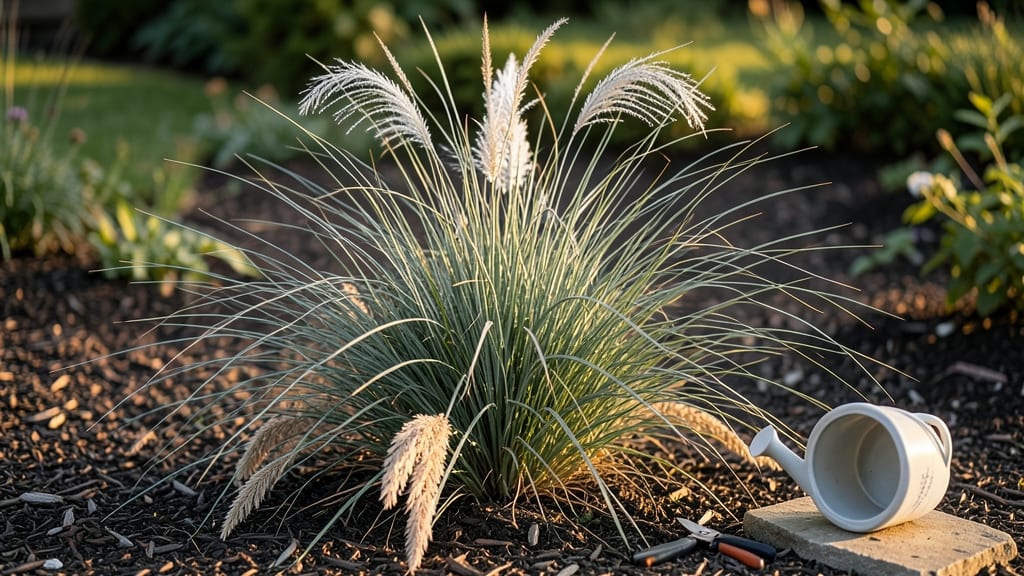
Planting Erianthus ravennae hardy pampas grass turns your yard into a year-round showstopper with almost no effort. ✨ This feather-like giant thrives in zones 5-10, where it delivers dramatic plumes from summer through winter—no deadheading required.
The secret? It’s tougher than it looks, handling drought, poor soil, and even urban pollution once established.
Start with well-draining soil (even clay works if amended) and full sun—six hours daily minimum. Dig a hole twice as wide as the root ball but no deeper, then water deeply to settle the roots.
Most gardeners overwater initially, but once established, this grass sips water like a camel in the desert. For best results, space plants 10-15 feet apart—they’ll grow 8-12 feet tall and spread wide.
Pruning is where the magic happens: cut back old plumes in early spring before new growth starts. This keeps the plant tidy and encourages fresh, fluffy blooms. In colder zones (5-6), a thick mulch layer protects roots from freeze-thaw cycles.
The payoff? A backyard that looks like a high-end botanical garden with zero daily maintenance.
Common mistakes? Planting too close together (crowding stunts growth) or skipping the prune (leads to a messy clump). For container growing, choose large pots—this grass hates root confinement. Whether you’re a beginner or a seasoned gardener, Erianthus ravennae delivers drama with minimal fuss. Ready to try it?
📚 In This Guide
- What you need
- Instructions
- Tips and common mistakes
- Wrapping up and next steps
What you need
- ● Erianthus ravennae plants: 1–3 mature clumps (depending on desired height and spread; aim for 3–5 feet tall at maturity).
- ● Well-draining soil: Native soil amended with 2–3 inches of compost (or a mix of 50% topsoil + 50% coarse sand for sandy soils).
- ● Organic mulch: 2–3 inches of pine straw, wood chips, or shredded bark (to retain moisture and suppress weeds).
- ● Watering can or hose with a gentle spray nozzle (for initial watering).
- ● Gloves and long sleeves (pampas grass has sharp edges!).
- ● Pruners or hedge shears (for shaping in late winter/early spring).
- ○ Stakes and twine (optional but helpful) if planting in windy areas to support young plants.
- ● Slow-release fertilizer: A balanced 10-10-10 or 5-5-5 (apply lightly in early spring).
- ● Soil pH tester: Ideal pH range is 6.0–7.5 (adjust with lime or sulfur if needed).
- ● Drip irrigation system: For automated watering (especially in hot climates).
- ● Bird netting: If you want to protect seed heads from birds (though many gardeners love the wildlife attraction!).
How to plant and maintain Erianthus ravennae hardy pampas grass
This striking ornamental grass thrives with surprisingly little effort once you get the basics right.
🌱 Step 1: Select and Prepare the Planting Site
Choose a location with full sun exposure—at least 6-8 hours daily—since Ravennae pampas grass needs abundant light to develop its signature plumes. The plant tolerates a range of soil types but performs best in well-draining soil with a slightly acidic to neutral pH (6.0-7.5). If your soil is heavy clay, amend it with 2-3 inches of compost mixed into the top 12 inches of soil to improve drainage.
Here's the thing—this grass hates soggy roots, so avoid low-lying areas where water pools after rain. You'll know you've chosen the right spot when the soil drains within 1-2 hours after watering. If your yard has poor drainage, consider planting in a raised bed or mound of soil to keep roots elevated.
🪴 Step 2: Plant at the Correct Depth and Spacing
Dig a hole twice as wide as the plant's root ball but only as deep as the container it came in. Gently remove the plant from its container and loosen any circling roots with your fingers—this encourages outward growth. Place the grass in the hole so the top of the root ball sits level with the surrounding soil (never buried deeper).
Space plants 8-10 feet apart to allow for mature growth. This might seem excessive, but Ravennae pampas grass develops 6-10 foot tall plumes and spreads 4-6 feet wide over time. Crowding leads to weak, leggy stems that flop in wind or rain. Backfill the hole with native soil, pressing lightly around the base to eliminate air pockets.
☀️ Step 3: Water Deeply After Planting and Establish a Routine
Water deeply immediately after planting to settle the soil around the roots—this means 1-2 gallons per plant until water runs out the drainage holes. For the first 2-3 weeks, keep the soil consistently moist (top 2 inches should feel damp). After that, reduce watering to once weekly during dry spells, allowing the top 3-4 inches of soil to dry between waterings.
Real talk: Overwatering is the #1 killer of pampas grass. You'll see it when leaves turn yellow or stems develop black spots. Once established (after 6-8 weeks), Ravennae pampas grass becomes drought-tolerant—it stores water in its thick rhizomes and can handle dry periods once rooted. Mulch with 2-3 inches of wood chips around the base to retain moisture and suppress weeds.
✂️ Step 4: Prune for Year-Round Interest and Health
Cut back the previous year's foliage in late winter or early spring (before new growth appears) to make room for fresh shoots. Use clean, sharp pruners to cut 2-3 inches above the ground, removing all dead stems but leaving any remaining seed heads for winter interest. This pruning encourages stronger new growth and prevents the plant from looking overgrown.
Don't skip this step—I learned the hard way that leaving old foliage too long can harbor pests or diseases. After pruning, apply a balanced, slow-release fertilizer (10-10-10) in early spring to support new growth. The plant rarely needs additional feeding after the first year, as it's naturally adaptable to most soil conditions.
⏰ Step 5: Monitor for Pests and Winter Care
Ravennae pampas grass is generally pest-resistant, but watch for spider mites in hot, dry weather. You'll spot them as tiny webs on the undersides of leaves. Treat infestations by hosing down the plant with water or applying neem oil as a natural deterrent. Avoid chemical pesticides—they can harm beneficial insects and leave residues on the ornamental plumes.
In colder climates (below 10°F), the plant may lose its plumes but regrows from the base each spring. In Zone 8 and warmer, it remains evergreen with minimal winter dieback. If you live in an area with frequent high winds, consider staking young plants during their first growing season to prevent flopping before they establish strong root systems.
Tips & tricks for perfect Erianthus ravennae hardy pampas grass
Here's what nobody tells you about getting that showstopping pampas grass to thrive with almost no effort.
Sunlight Secret: While the instructions mention full sun, I've found that Ravennae pampas grass actually performs best when it gets at least 8 hours of direct sunlight daily. The more sun exposure, the more vibrant those signature plumes will be. If you're planting near trees or buildings that create shade patterns, consider placing it where it gets morning sun and afternoon shade—this prevents stress during the hottest part of the day while still giving it plenty of light.
Soil Test Tip: Before planting, grab a simple soil pH test kit from your garden center (they're usually under $10). Ravennae pampas grass prefers that 6.0-7.5 pH range, but soil can vary dramatically even within a small yard. If your soil tests outside this range, you can adjust it with lime to raise pH or sulfur to lower it. I've seen dramatic improvements in plant health after making this simple adjustment—especially in areas with naturally alkaline soil.
Planting Depth Visual: When placing your pampas grass in the hole, use this trick to ensure proper depth: Hold the plant at ground level and trace the outline of the root ball on the surrounding soil with a stick. This creates a reference line showing where the top of the root ball should sit. Planting too deep can suffocate the roots, while planting too shallow exposes them to temperature extremes. The goal is that line sitting flush with the surrounding soil level.
Watering Hack: For that initial deep watering after planting, use the "percolation test" method: Pour 1-2 gallons of water into the hole and time how long it takes to drain completely. If it drains within 1-2 hours, you're good to go. If it takes longer, your soil is too dense—amend with more compost or consider a raised bed. This simple test prevents the #1 killer of pampas grass: waterlogged roots.
Pro Tips for Erianthus Ravennae Hardy Pampas Grass
- Here's what nobody tells you about getting that showstopping pampas grass to thrive with almost no effort.
- Sunlight Secret: While the instructions mention full sun, I've found that Ravennae pampas grass actually performs best when it gets at least 8 hours of direct sunlight daily.
- Soil Test Tip: Before planting, grab a simple soil pH test kit from your garden center (they're usually under $10).
Frequently asked questions
about Erianthus ravennae (aka Hardy Pampas Grass) – because even the toughest plants deserve a little clarity!How cold-hardy is Erianthus ravennae really?
Erianthus ravennae earns its "hardy" nickname by thriving in USDA Zones 5-10. It handles winter temps down to –15°F (–26°C) with ease, though young plants may need winter mulch in colder zones. Once established, it bounces back like a champ—no fuss, no drama!
Does it die back in winter, and will it come back?
Yes! This grass goes dormant in winter, losing its plumes and turning brown. But don’t panic—it’s not dead. New growth emerges in early spring (March–April), often faster than other perennials. Pro tip: Trim back dead foliage in late winter to encourage fresh growth.
How fast does Erianthus ravennae grow, and how big does it get?
Expect rapid growth—up to 3–5 feet per year under ideal conditions! Mature size ranges from 6–12 feet tall and 3–6 feet wide, depending on variety and care. Regular pruning (2–3 times/year) keeps it manageable and prevents it from becoming a "monster" in your yard.
What’s the best alternative if I want something similar but lower-maintenance?
If you love the look but want less upkeep, consider:
- Miscanthus sinensis ("Maiden Grass") – Hardier, slower growth, and more compact.
- Cortaderia selloana ("Pampas Grass") – Taller but less cold-tolerant (Zones 8–11).
- Pennisetum alopecuroides ("Fountain Grass") – Dwarf varieties stay under 3 feet.
Why is my Erianthus ravennae turning brown or dying?
Brown patches usually mean one of these issues:
- Overwatering – This grass hates soggy roots! Water deeply but infrequently (1–2x/week in summer).
- Underwatering – Drought stress causes browning. Mulch to retain moisture.
- Fungal issues – Yellowing leaves = possible rust or blight. Improve airflow and avoid overhead watering.
- Winter kill – Only in extreme cold (below –20°F). Protect young plants with mulch.
Wrapping up and next steps
Erianthus ravennae—or Hardy Pampas Grass—is the ultimate low-maintenance star for year-round beauty, blending resilience with striking visual drama. Whether you’re drawn to its feathery plumes, drought tolerance, or wildlife-friendly appeal, this grass delivers without the fuss. Ready to transform your space? Start by selecting a sun-drenched spot, gathering your supplies, and diving in—your garden’s next masterpiece is just a few steps away! 🌿✨
Next step: Sketch a quick layout or snap a photo of your chosen area—then grab those clumps of grass and get planting! (P.S. Share your progress—we’d love to see your Hardy Pampas Grass success story!)