
How To
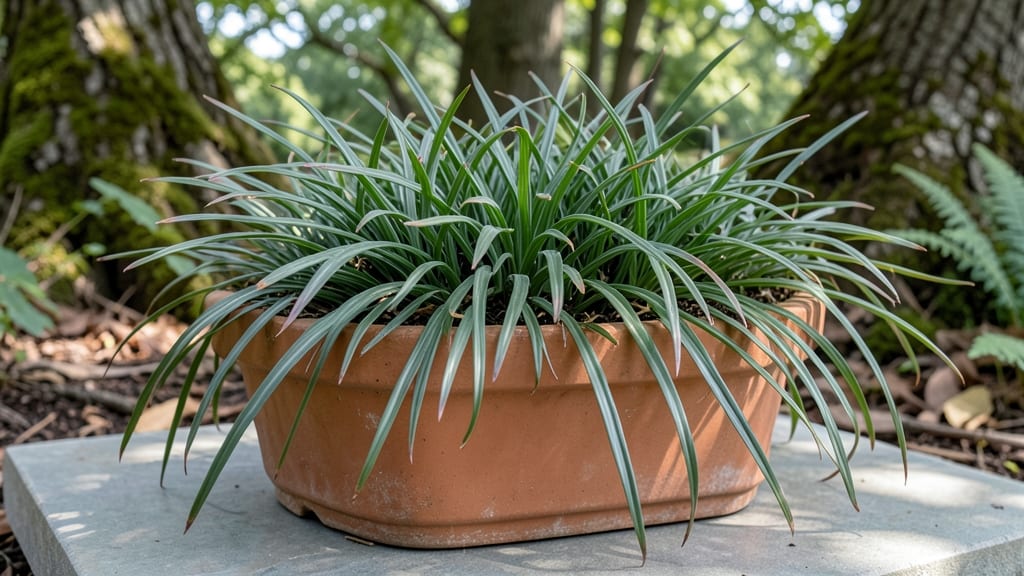
See those dwarf mondo grass brown tips creeping in? Don’t panic—it’s a fixable frustration. 🌱 I’ve nursed back lawns with browning edges, and the solution often comes down to two simple checks: water and soil. Most people overlook one of these, and that's what leads to those unsightly brown patches.
The most common culprits are overwatering (roots suffocate) or underwatering (stress from dryness). Then there's the sneaky pH imbalance—if your soil is too acidic or alkaline, nutrients lock out.
Even a stray chemical from nearby treatments can scorch the grass. Start with a moisture test: dig 2 inches down—if it's soggy or bone-dry, that's your first clue.
Within 7-10 days of adjusting care, you'll see fresh green growth pushing through. The key is consistency: water deeply 2-3 times a week (not daily light sprinkles) and test your soil pH every spring. A simple at-home kit reveals if lime or sulfur is needed to balance things out.
For stubborn patches, a light fertilizer application (high in iron) can revive color fast. Prevention? Mow at 2.5-3 inches to keep stress low, and avoid heavy foot traffic on damp grass. Your lawn will bounce back—promise.
Root Causes Of Brown Tips
If your Ophiopogon japonicus (dwarf mondo grass) is developing unsightly brown tips, the issue likely stems from one (or more) of these common environmental or care-related factors. Understanding the why behind the problem is the first step toward restoring your lawn’s lush, emerald-green appearance.
Let’s break down the science and practical triggers behind those pesky brown tips.
Dwarf mondo grass thrives in consistent moisture, but its roots are shallow, making it highly sensitive to fluctuations in water levels. Here’s how imbalance plays a role:
- Underwatering: When soil dries out, the grass’s cell membranes lose turgor pressure, causing the tips to desiccate (dry out) and turn crispy brown. This is often the first sign of stress in mondo grass, as it relies on steady hydration to maintain its dense, velvety texture.
- Overwatering: While mondo grass enjoys moisture, poor drainage or soggy conditions can suffocate roots, leading to oxygen deprivation. Without oxygen, cells die back, starting at the tips where they’re most exposed. Overwatering also promotes fungal growth (like Rhizoctonia), which can further brown the grass.
- Inconsistent watering: Drought followed by sudden soaking can cause osmotic shock, where roots struggle to absorb water efficiently. This leads to oxidative stress in the tips, turning them brown or yellow.
Actionable fix: Aim for 1–1.5 inches of water per week, either from rainfall or irrigation. Water deeply but infrequently (e.g., 2–3 times per week) to encourage root growth. Use a moisture meter to check soil levels—dwarf mondo grass prefers soil that’s moist but not waterlogged.
Dwarf mondo grass is shade-tolerant, but it’s not immune to the effects of intense heat or direct sunlight, especially in hot climates or during summer droughts. Here’s how environmental factors contribute:
- Excessive sunlight: While mondo grass can handle partial shade, prolonged exposure to harsh afternoon sun (especially in dry conditions) causes photoxidative damage. The grass’s chlorophyll breaks down, leading to tip burn (browning at the edges) as cells lose their ability to photosynthesize efficiently.
- Heat stress: Temperatures above 90°F (32°C) for extended periods can cause protein denaturation in the grass’s cells, disrupting metabolic processes. The tips, being the most exposed, show the first signs of heat damage.
- Windburn: Strong, dry winds evaporate moisture from the grass blades faster than roots can replenish it, leading to desiccation and crispy brown tips.
Actionable fix:
- Provide afternoon shade (e.g., with a light shade cloth or nearby trees) if your grass is in a sunny area.
- Increase watering frequency during heatwaves (early morning is best to reduce evaporation).
- Use mulch (like straw or wood chips) to retain soil moisture and regulate temperature.
Dwarf mondo grass is low-maintenance, but it does require a balanced nutrient profile to stay vibrant. Brown tips often signal a deficiency in key elements:
| Nutrient | Deficiency Signs | Why It Happens |
|---|---|---|
| Nitrogen (N) | Pale green or yellowing tips, followed by browning. Stunted growth. | Nitrogen is critical for chlorophyll production and cell growth. If soil is depleted (common in sandy or over-fertilized soils), the grass can’t maintain its dark green color. |
| Potassium (K) | Brown, crispy tips that spread inward. Weak stems. | Potassium regulates water balance and disease resistance. A deficiency makes grass more susceptible to osmotic stress (e.g., from drought or salt buildup), causing tips to brown. |
| Iron (Fe) | Yellowing between veins (interveinal chlorosis), progressing to brown tips in severe cases. | Iron is essential for electron transport in photosynthesis. In alkaline soils (pH > 7.0), iron becomes unavailable to the plant, leading to oxidative stress. |
| Zinc (Zn) | Brown, stunted tips with distorted growth. | Zinc aids in auxin (growth hormone) production. Deficiencies slow cell division, causing tips to brown and appear rosette-like. |
Actionable fix:
- Test your soil’s pH and nutrient levels (ideal range: 6.0–7.0). Adjust with sulfur (to lower pH) or lime (to raise pH) if needed.
- Apply a balanced fertilizer (e.g., 10-10-10 or 12-4-8) in early spring to replenish nitrogen and potassium.
- For iron deficiencies, use chelated iron supplements or iron sulfate (follow package instructions).
Brown tips aren’t always due to environmental stress—they can also be a red flag for fungal diseases, which thrive in damp, warm conditions. Common culprits include:
- Rhizoctonia (Brown Patch Disease): Causes circular patches of brown, crispy grass with a feathery edge. Thrives in high humidity and poor air circulation.
- Pythium (Damping-Off): Leads to greasy-looking brown tips that spread rapidly, often after overwatering or heavy dew.
- Leaf Spot (e.g., Bipolaris): Creates small, brown spots with yellow halos, often in shady, humid areas.
Actionable fix:
- Improve airflow by trimming nearby plants or thinning dense areas.
- Avoid overhead watering; use drip irrigation or soaker hoses instead.
- Apply a fungicide (e.g., copper-based or Propiconazole) if fungal infection is suspected. For prevention, use neem oil as a natural fungicide
Quick Fixes for Brown Tips
Reviving your dwarf mondo grass isn’t rocket science—just a few targeted tweaks can bring back its lush, emerald-green glory. Below, we’ve mapped the most common causes of those pesky brown tips to practical, step-by-step solutions, plus prevention tips to keep your lawn thriving long-term.
Fix: Drainage issues or soggy soil can suffocate roots, leading to brown tips. Here’s how to correct it:
- 🔥 Step 1: Test Soil Moisture Stick your finger 1–2 inches into the soil. If it’s damp (not soggy), hold off on watering. If it’s bone-dry, water deeply but only when the top inch feels dry.
- 👨🍳 Step 2: Improve Drainage If your lawn sits in water after rain, it’s time to act:
- Aerate the soil with a garden fork or a manual aerator to break up compacted areas.
- Add organic matter: Mix in 2–3 inches of compost or peat moss to loosen the soil and improve water absorption.
- Slope the area slightly (if possible) to encourage runoff.
- ⏰ Step 3: Adjust Watering Schedule Dwarf mondo grass prefers consistent moisture—not soggy or drought-stricken soil.
- Water deeply 2–3 times per week (early morning is best).
- Avoid light, frequent watering, which encourages shallow roots.
💡 Pro Tip: If your lawn has heavy clay soil, amend it with sand or perlite to help water drain faster.
Fix: Brown tips from thirst or scorching sun? Hydrate and protect your grass the right way.
- 🍳 Step 1: Water at the Right Time
- Morning (6–10 AM) is ideal—it reduces evaporation and fungal risks.
- Avoid evening watering, which can leave grass damp overnight, inviting disease.
- 🌡️ Step 2: Increase Water Depth
- 1–1.5 inches per week (including rain) is the goal. Use a rain gauge or tuna can to measure.
- For extreme heat (90°F+), water twice daily: once in the morning, once in the late afternoon.
- 🎯 Step 3: Provide Shade Temporarily If your lawn is in full sun, lightweight shade cloth (30–50%) can protect it during heatwaves. Remove it once temps drop.
✨ Prevention: Mulch around your lawn with straw or wood chips to retain moisture and cool the soil.
Fix: Yellowing or brown tips often signal a hunger for key nutrients. Feed your grass the right way.
| Symptom | Likely Cause | Solution |
|---|---|---|
| Brown tips + yellowing | Iron deficiency | Apply chelated iron supplement (follow package rates). |
| Pale green or weak growth | Nitrogen deficiency | Use a slow-release nitrogen fertilizer (like 20-0-5) in early spring. |
| Slow recovery after stress | General malnutrition | Balanced fertilizer (10-10-10) to rebuild health. |
💡 Pro Tip: Never over-fertilize—it burns roots! Test soil first with a DIY kit (available at garden centers).
Fix: Brown tips from bugs or fungus? Identify the culprit and strike back.
- 🔪 Step 1: Inspect for Pests
- Grubs or chinch bugs? Look for chewed blades or tunneling in the soil. Treat with beneficial nematodes or neem oil.
- Scale insects? Wipe leaves with a soapy water cloth (1 tsp mild soap per gallon of water).
- 🍎 Step 2: Treat Fungal Issues If brown tips are crunchy or moldy, it’s likely brown patch disease:
- Remove affected grass and dispose of it.
- Apply fungicide (like propiconazole) as directed.
- Improve airflow by trimming nearby plants.
💡 Pro Tip: Prevent fungal growth by watering at the base (not overhead) and mowing high (3–4 inches) to avoid stress.
Fix: Cutting too short weakens grass and invites brown tips. Adjust your mowing habits:
- 🔥 Step 1: Set the Right Height
- Never mow below 2–2.5 inches for dwarf mondo grass.
- Sharp blades only! Dull mower blades tear grass, causing stress.
- 🌡️ Step 2: Mow Smart
- Never remove more than 1/3 of the blade height in one session.
- Alternate mowing patterns to avoid soil compaction.
✨ Prevention: Mulch clippings—they return nutrients to the soil!
Fix: Sudden cold snaps or winter sun can scorch grass. Protect it with these tricks:
- 🍳 Step 1: Mulch for Insulation Apply 2–3 inches of straw or leaves in late fall to shield roots from freezing.
- 🎯 Step 2: Avoid Early Spring Fertilizer Wait until soil temps hit 55°F+ before fertilizing—cold soil can burn roots.
- 💡 Pro Tip: If brown tips appear after winter, wait to mow until the grass is fully green again.
✅ Water deeply but less often (morning only). ✅ Aerate compacted soil and add compost. ✅ Fertilize based on soil test (iron or nitrogen first). ✅ Inspect for pests/disease and treat early. ✅ Mow high and keep blades sharp. ✅ Protect from extreme heat/cold with shade or mulch.
With these fixes, your dwarf mondo grass should bounce back in 2–4 weeks. Stick with the prevention tips, and you’ll enjoy a vibrant, tip-free lawn all season long! 🌿✨
Frequently asked questions
Why do my dwarf mondo grass tips turn brown even when I water regularly?
Brown tips often mean your grass isn't getting the right amount of moisture or nutrients. Even with regular watering, overwatering can suffocate roots, while underwatering causes drought stress. Check soil moisture 1-2 inches deep—it should feel damp but not soggy. Also test soil pH (ideal: 6.0-7.0) as alkaline conditions lock out iron, causing browning.
Can I save my mondo grass if the brown tips have spread to half the plant?
Yes! Trim the brown tips with clean scissors to prevent spread, then focus on fixing the root cause. Adjust watering to 1-1.5 inches weekly and apply a balanced fertilizer (10-10-10) if nutrient deficiency is suspected. With proper care, new green growth should appear within 2-4 weeks. Severe cases may need soil amendments like compost.
Is it safe to use lawn fertilizer on mondo grass with brown tips?
Only if you've tested your soil first! Over-fertilizing stressed grass burns roots. For brown tips, start with a low-nitrogen fertilizer (5-5-5) or targeted supplements like chelated iron if yellowing appears. Apply in early spring when soil is 55°F+ and water thoroughly after. Always follow package rates.
Why do my mondo grass tips turn brown in hot weather?
Heat stress causes photoxidative damage when temperatures exceed 90°F (32°C). The grass loses moisture faster than roots can replenish it. Protect your lawn by watering deeply twice daily (morning/evening), providing afternoon shade with cloth, and mulching with straw. Avoid mowing during peak heat.
How do I tell if brown tips are from pests or disease?
Check for these clues: Pests leave chewed blades or sticky residue (aphids), while disease shows moldy patches or yellow halos. For pests, use neem oil; for fungus (like brown patch), apply copper fungicide and improve airflow. If unsure, remove affected areas and dispose of them.