
Lawn
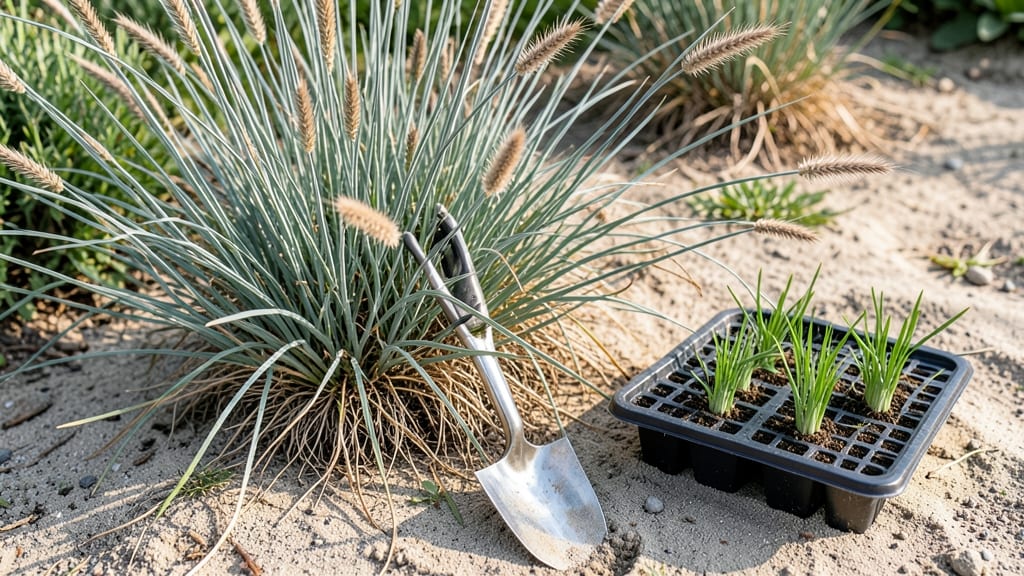
Planting dune grass plugs transforms barren sand into a lush, erosion-fighting green carpet—and it’s easier than you think. 🌱 I’ve used them to stabilize coastal dunes and repair eroded shorelines, and the results are shockingly resilient once established.
The key? Getting the soil right before the first plug goes in.
You’ll need sandy soil (no need to amend it—dune grass thrives in pure sand), 3-inch-deep furrows spaced 12 inches apart, and a gentle watering system to keep roots moist without drowning them.
Salt spray? No problem—this grass handles coastal conditions like a champ. Most garden centers carry plugs in early spring or fall, and they root quickly with the right care.
Within 6-8 weeks, you’ll see dense growth that outcompetes weeds and holds soil in place during storms. The deep roots create a natural barrier against wind and water erosion, while the fine texture stays soft underfoot—perfect for pathways or beachfront landscaping.
Just avoid heavy foot traffic until the roots establish.
Works equally well for dune restoration, erosion control on slopes, or even as a low-maintenance lawn in sandy areas. The secret to long-term success? Water deeply but infrequently once established—this grass is built for drought once the roots take hold. Ready to turn sand into sod?
📚 In This Guide
- What you need
- Instructions
- Tips and common mistakes
- Wrapping up and next steps
What you need
- ● Dune grass plugs: 12–15 plugs per square foot (or follow package instructions for coverage). Look for dune sandgrass (Leptochloa fusca) or sea oats (Uniola paniculata) for coastal resilience.
- ● Sandy soil: Ensure your site has well-draining, nutrient-poor sand (ideal pH: 6.0–7.5). Amend with compost (1 part compost to 3 parts sand) if needed.
- ● Shovel or spade: For digging holes (4–6 inches deep, spaced 6–12 inches apart).
- ● Rake: To level the soil and remove debris.
- ● Watering can or hose with a gentle spray nozzle: For consistent moisture (avoid overwatering!).
- ○ Mulch (optional but recommended): Pine straw or straw mulch (1–2 inches thick) to retain moisture and suppress weeds.
- ● Slow-release fertilizer: Low-nitrogen (5-10-10 ratio) to avoid burning delicate plugs. Apply lightly at planting.
- ● Soil test kit: To check pH and nutrient levels before planting (dune grass thrives in lean conditions!).
- ● Edging tool: For clean borders if planting near pathways or hardscapes.
- ● Drip irrigation system: For large areas to automate watering and ensure even moisture.
How to plant dune grass plugs for a low-maintenance lawn
Here’s the straightforward method I’ve used to establish resilient, drought-proof grass in sandy soil—no sod headaches, just plug-and-grow success.
🌱 Step 1: Test and Prep Your Sandy Soil
Dune grass thrives in sandy conditions, but a quick test ensures you’re not fighting hidden compaction or poor drainage. Dig a 6-inch hole—if water drains within 10 minutes, your soil is perfect. If it pools, amend the top 4 inches with 2 inches of compost to improve water retention without altering the gritty texture.
Rake the area smooth to eliminate low spots where water might pool. Sandy soil drains fast, so you’ll want a level surface to keep plugs evenly moist during establishment. I like to walk over the area after raking to check for dips—any spot that catches my foot needs another pass with the rake.
🪴 Step 2: Space and Plant the Grass Plugs
Arrange plugs 12-18 inches apart in a staggered pattern—this mimics natural grass growth and prevents thin patches later. Dig holes just slightly deeper than the root ball of each plug, about 1-2 inches deep. The top of the root ball should sit flush with the surrounding soil to avoid crown rot from burial or stress from exposure.
Press each plug gently into the hole so it stands upright. Don’t tamp down too hard—you’re not compacting soil, just ensuring good soil-to-root contact. If your hands feel gritty after handling, that’s normal; dune grass loves the texture. Water each plug immediately after planting to settle the roots into place.
💧 Step 3: Water Deeply and Establish a Routine
For the first 2 weeks, water daily—but deeply. Aim for ½ inch of water per week, all at once, rather than light daily sprinkles. Sandy soil drains quickly, so you’ll see water disappear fast. Use a rain gauge or tuna can to measure; you’ll know you’ve hit the mark when the soil 1 inch below the surface feels damp but not soggy.
After 2 weeks, shift to 2-3 times per week, always in the early morning. Dune grass develops deep roots when watered deeply but infrequently. Watch for yellowing at the tips—this signals underwatering, while mushy, dark green leaves mean you’re overdoing it. Adjust your schedule based on rainfall; sandy soil recovers faster than clay, so don’t stress if you miss a day.
✂️ Step 4: Mow and Maintain for Long-Term Success
Wait 4-6 weeks before your first mow—this gives roots time to establish. Set your mower to 3 inches high initially, then gradually lower to 2-2.5 inches as the grass fills in. Never remove more than ⅓ of the blade height at once; dune grass is tough but not invincible. A sharp mower blade prevents tearing, which invites disease in sandy conditions.
Fertilize once in early spring with a low-nitrogen, slow-release formula (10-0-10 ratio). Sandy soil leaches nutrients fast, so skip fall applications—dune grass goes dormant naturally and doesn’t need winter feeding. If you notice bare spots after mowing, overseed lightly with the same grass type in late summer for a seamless patch.
☀️ Step 5: Protect and Enjoy Your Drought-Proof Lawn
Dune grass handles foot traffic better than most turf once established, but avoid heavy use for the first 3 months. If kids or pets play on it, water 24 hours beforehand—the roots need time to firm up. During heatwaves, increase watering to every other day until the grass greens up again; it’ll bounce back faster than you think.
Here’s the thing—once your plugs fill in, you’ll barely need to mow. I’ve had patches go 6 weeks without water in summer and still look green. The secret? Let it go dormant occasionally. When it turns straw-colored, stop watering entirely until rains return. It’s not dead; it’s just conserving energy like a pro.
Tips & tricks for perfect dune grass plug planting
These simple strategies will help you avoid common pitfalls and create a thriving, low-maintenance lawn that actually thrives in sandy conditions.
Soil Test Trick: That 10-minute water drainage test in Step 1 is your secret weapon. If water disappears faster than you can count to ten, your soil is perfect for dune grass. If it pools, don't panic—just add that 2 inches of compost to the top 4 inches. Think of it like adding a cozy blanket to help retain moisture without suffocating the roots. I've seen sandy soil transform from a challenge to an advantage once I understood this balance.
Planting Precision: When creating those 1-2 inch deep holes in Step 2, use a small trowel or your finger to check depth—you want the root ball just below soil level, not buried or exposed. The staggered 12-18 inch spacing creates natural airflow between plants, which prevents fungal issues that love damp, crowded conditions. Pro tip: Lay out your plugs first to visualize the pattern before digging holes—it saves time and prevents uneven spacing.
Watering Wisdom: The daily watering routine in Step 3 might seem excessive, but trust me—it's worth it. Use a rain gauge or even a tuna can to measure that ½ inch per week. Sandy soil drinks water like a sponge, so you'll need to water until it's completely soaked 1 inch down. I've learned the hard way that light sprinkles just make the roots thirsty again faster. The goal is to encourage deep root growth, not surface-level survival.
Mowing Mastery: In Step 4, that 4-6 week waiting period before your first mow is crucial for root establishment. When you do mow, set your blade to 3 inches initially—this height helps shade the soil, reducing moisture loss. And here's a trick I picked up: mow when the grass is slightly damp. The blades glide more smoothly and you get a cleaner cut without tearing the grass, which is especially important in sandy conditions where torn grass can invite disease.
Pro Tips for Dune Grass Plugs
- These simple strategies will help you avoid common pitfalls and create a thriving, low-maintenance lawn that actually thrives in sandy conditions.
- Soil Test Trick: That 10-minute water drainage test in Step 1 is your secret weapon.
- Planting Precision: When creating those 1-2 inch deep holes in Step 2, use a small trowel or your finger to check depth—you want the root ball just below soil level, not buried or exposed.
Frequently asked questions
Got questions about dune grass plugs? You’re not alone!
Here are answers to the most common concerns—from planting tips to troubleshooting—so you can grow a resilient, sandy-soil lawn with confidence.
When is the best time to plant dune grass plugs?
Plant dune grass plugs in early spring or late summer for ideal results. Avoid extreme heat or frost—aim for soil temps between 60–75°F (15–24°C). Early spring gives roots time to establish before summer droughts, while late summer allows recovery before winter. Pro tip: Water deeply 1–2 days before planting to prep the soil!
How long does it take for dune grass plugs to establish?
Dune grass plugs typically take 4–8 weeks to root in and 3–6 months for full establishment, depending on climate and care. You’ll see noticeable growth in 6–8 weeks, but avoid heavy foot traffic until roots are deep. Patience pays off—consistent watering (but not overwatering!) is key.
Can I use dune grass plugs in full sun only, or do they tolerate shade?
Dune grass thrives in full sun (6+ hours/day), but it tolerates partial shade (3–6 hours). In shady spots, growth may slow, and grass could thin out. For deep shade (<3 hours), consider alternatives like fine fescue or creeping red fescue. Test your yard’s sunlight with a sun/shade map first!
What’s the fastest way to fix brown or dying dune grass plugs?
Brown patches often signal underwatering, overwatering, or poor drainage. First, check soil moisture—dune grass needs 1–1.5 inches of water weekly (adjust for rain). If soil is waterlogged, improve drainage with sand or gravel. For heat stress, water early morning to reduce evaporation. Fertilize lightly (high-nitrogen) if growth is stunted.
Are there cheaper alternatives to dune grass plugs?
Yes! If plugs are pricey, try dune grass seed (slower but budget-friendly) or sod (faster coverage). For sandy soil, bermudagrass or zoysia are drought-tolerant but may need more upkeep. Pro tip: Check local nurseries for discounted plugs or bulk seed deals—sometimes timing saves money!
Will dune grass spread aggressively and invade other plants?
Dune grass grows moderately but isn’t invasive like crabgrass. It spreads via stolons (above-ground runners), so it may fill gaps naturally. To control spread, edge with landscape fabric or mow high (2–3 inches). If it encroaches on gardens, hand-pull or spot-treat with vinegar (for non-lawn areas).
Wrapping up and next steps
Transforming your sandy soil into a lush, drought-resistant lawn is totally within reach with dune grass plugs! These hardy plants thrive where traditional turf struggles, offering a low-maintenance, eco-friendly solution that’s both beautiful and resilient.
Whether you’re tackling a beachfront property, a high-sand-content yard, or simply aiming for sustainability, dune grass delivers serious staying power. 🌱
Ready to take the next step? Start small—order your plugs, prep your soil, and plant with confidence. Before you know it, you’ll be the envy of the neighborhood with a green oasis that laughs in the face of drought. Happy planting! 🌟