
Lawn
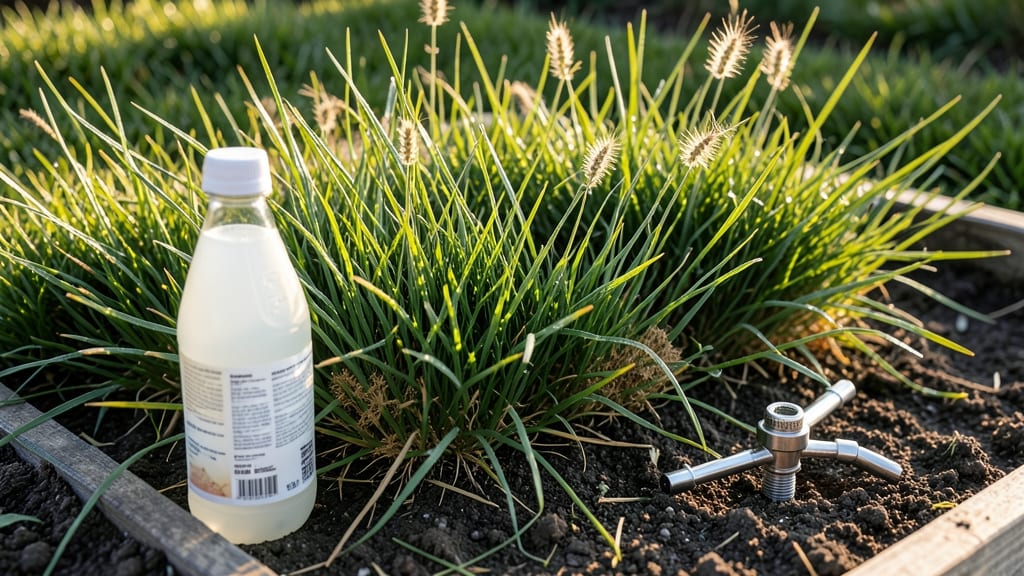
Dog urine stains demand prevention before the yellow patches take over your lawn—burning grass faster than you can say "potty break." 🌱 The damage isn’t just ugly; it’s a sign your grass is struggling to recover, no matter how much you water.
But here’s the good news: with the right soil amendments and a few simple tricks, you can turn those sad spots into lush green again.
The secret isn’t just vinegar or baking soda—it’s balancing soil pH, improving drainage, and choosing dog-friendly grass. Overwatering after accidents makes the problem worse, while lime or compost helps grass bounce back faster.
Even better? Switching to clover or buffalo grass can handle dog traffic without turning into a yellow crime scene.
By the end of this, your lawn will look like it’s never seen a dog—no more patchy spots, no more guesswork. The key is acting fast when accidents happen and giving your grass the right support to heal. Trust me, your yard (and your dog) will thank you.
Whether you’re dealing with a puppy potty training or a seasoned adult dog, these steps work. No more hiding the lawn when guests come over—just healthy grass that stays green, no matter what your pup drops.
📚 In This Guide
- What you need
- Instructions
- Tips and common mistakes
- Wrapping up and next steps
What you need
- ● White vinegar – 1 gallon (or enough to cover the stained area generously)
- ● Baking soda – 1 cup (fine-grained, unscented works best)
- ● Water – 1 gallon (for diluting vinegar, if needed)
- ● Spray bottle – 16 oz (for mixing vinegar solution)
- ● Garden hose or watering can (with a fine spray nozzle)
- ● Gloves – 1 pair (rubber or nitrile, to protect your hands)
- ● Soft-bristle brush (for scrubbing stubborn stains)
- ● Plastic scraper (to lift dried urine residue)
- ● Lawn sprinkler (for even water distribution)
- ● Pet-safe lawn fertilizer (to restore grass health post-treatment)
Step-by-Step instructions for removing dog urine stains from grass
Here's how I tackle stubborn yellow patches—fast, natural, and without harsh chemicals.
🌱 Step 1: Flush the Area Immediately After Accidents
As soon as you notice your dog has gone, grab a garden hose and rinse the affected spot thoroughly. The longer urine sits, the deeper it soaks into the soil and grass blades, making stains harder to remove. Focus on the center of the yellowed area and work outward in gentle circles to avoid damaging surrounding grass.
I always add a small amount of dish soap (about ½ teaspoon) to the water—this helps break down the uric acid in the urine. The soap won't harm your lawn but will lift the stain at the surface. Avoid using too much soap, though, or you'll leave a residue that attracts more dog urine.
💧 Step 2: Apply a Vinegar Solution to Neutralize the Stain
Fill a spray bottle with white vinegar (the acetic acid helps neutralize the ammonia in urine). Mix it 1:1 with water—this keeps the solution strong enough to work but gentle enough for grass. Spray the affected area until the soil feels damp but not soggy. You'll see the yellowed grass start to lighten almost immediately.
Here's the thing—don't overdo it. A single application usually does the trick, but if the stain persists after 24 hours, repeat the process. I like to do this in the late afternoon so the grass has time to dry before nightfall, which reduces the risk of fungal issues from excess moisture.
✂️ Step 3: Sprinkle Baking Soda to Absorb Residue
After the vinegar solution dries (about 15-20 minutes), lightly sprinkle baking soda over the area. The baking soda helps absorb any remaining urine residue and balances the pH of the soil. Use about 1 tablespoon per square foot—you don't need much, just enough to cover the spot lightly.
Let the baking soda sit for 30 minutes to an hour, then gently rake it into the soil with a small hand rake. This step is especially important if your dog is a frequent offender in the same spot. The baking soda won't harm the grass but will help prevent future staining by neutralizing the soil.
☀️ Step 4: Water and Monitor for Recovery
Give the area a light watering to help the baking soda settle into the soil. Over the next 3-5 days, keep an eye on the grass. If it starts to turn brown or crispy, that means the vinegar was too strong or the spot was too saturated. In that case, water the area again to help it recover.
For stubborn stains, I repeat the vinegar and baking soda treatment once a week until the grass fully regrows. Most of the time, though, the grass recovers within a week with just one treatment. If the spot remains yellow after two weeks, it might be time to consider overseeding that specific area.
🪴 Step 5: Prevent Future Stains with Strategic Solutions
To keep your lawn looking lush, train your dog to urinate in a designated gravel or mulch area away from grass. If that's not an option, I recommend planting clover or creeping charlie in high-traffic urine spots—these plants are more resilient to urine damage than regular grass.
Another trick I use is to water the lawn thoroughly before letting your dog out. This dilutes the urine and reduces staining. Plus, it keeps your dog hydrated and your lawn healthy. Consistency is key—stick with this routine, and you'll see a noticeable difference in just a few weeks.
Tips & tricks for perfect lawn spot removal
Let me save you from the frustration of stubborn yellow patches—these tricks make all the difference when dealing with dog urine stains.
Timing is Everything: In Step 1, that immediate flush is critical. I can't stress enough how much harder stains become if you wait even 10 minutes. The longer urine sits, the deeper it penetrates the soil and grass blades. Pro tip: Keep a hose and spray bottle handy near your dog's favorite spots—you'll be glad you did. The dish soap addition (that ½ teaspoon) is where the magic happens for lifting surface stains without harming your lawn.
Vinegar Application Technique: When you're spraying that 1:1 vinegar solution in Step 2, focus on saturating the soil—not just the grass blades. The goal is to reach the roots where the urine has penetrated. I've found that working in small sections (about 1 square foot at a time) ensures even coverage. And that 24-hour wait between applications? It's not just about seeing results—it gives the grass time to recover between treatments, preventing over-acidification.
Baking Soda Precision: For Step 3, that 1 tablespoon per square foot measurement is key. Too little won't neutralize properly, but too much can create a white residue. I like to use a small hand rake to gently distribute it—this also helps break up any compacted soil from previous treatments. The 30-minute to hour wait time is perfect for letting it work its magic while preventing runoff when you water later.
Recovery Monitoring: After that light watering in Step 4, keep an eye out for brown patches as your indicator. If you see browning within those 3-5 days, it means the vinegar was too strong or the area was too saturated. At that point, give it an extra watering to help recovery. For stubborn spots, that weekly treatment schedule really works—just like giving your lawn a gentle detox session.
Pro Tips for Dog Urine Grass Stain Prevention
- Let me save you from the frustration of stubborn yellow patches—these tricks make all the difference when dealing with dog urine stains.
- Timing is Everything: In Step 1, that immediate flush is critical.
- Vinegar Application Technique: When you're spraying that 1:1 vinegar solution in Step 2, focus on saturating the soil—not just the grass blades.
Frequently asked questions
Got questions about keeping your lawn fresh and stain-free?
Here are answers to the most common concerns about preventing dog urine grass stains—so you can relax while your yard stays green and clean!
How quickly should I treat dog urine stains on grass?
Act fast! The sooner you address a stain, the easier it is to remove. Ideally, treat within 10–15 minutes of your dog peeing to prevent the urine from soaking deep into the soil. If you miss it, don’t stress—just apply the vinegar/baking soda method ASAP for best results.
Will vinegar harm my grass if I use it too often?
Vinegar is safe in moderation, but overuse can disrupt soil pH. Limit treatments to 1–2 times per week and always dilute it (1:1 with water). For extra protection, water the area afterward to rinse away residue. If your grass looks stressed, switch to a pet-friendly lawn fertilizer.
What’s the best way to clean up dog urine without stains?
Combine white vinegar (1 part) + water (3 parts) in a spray bottle. Blot (don’t rub!) the area, then sprinkle baking soda to neutralize odors. For tough stains, repeat the process 2–3 times. Pro tip: Train your dog to pee in a designated "potty spot" to minimize future stains!
Can I use baking soda alone to remove dog urine stains?
Baking soda alone won’t fully break down urine—it’s best as a neutralizer after vinegar treatment. For stubborn stains, mix baking soda with a little water to form a paste, apply it, let it sit for 10 minutes, then rinse. Never skip the vinegar step for deep-cleaning power!
Does rain affect how I should treat urine stains?
Rain can dilute fresh urine, but it also spreads stains if the ground is saturated. Wait 30–60 minutes after rain to treat stains—this gives the urine time to settle. If the grass is muddy, focus on blotting first, then apply your vinegar/baking soda solution. Avoid treating during heavy downpours!
Wrapping up and next steps
Keeping your lawn fresh and stain-free after your pup does their business is totally doable with just a few simple steps! 🌿 By using vinegar and baking soda, you can break down odors and lift stains naturally—no harsh chemicals needed.
Remember, consistency is key, so act fast and repeat as needed to keep your grass looking its best.
You’ve got this! Start with a quick cleanup routine, and soon your yard will be the envy of the neighborhood. Next up: Try adding a layer of dog-friendly mulch or a dedicated potty area to protect your lawn long-term. Happy gardening! 🐾